
Clorox Faces Class Action Over Recalled Mistolin and Lestoil Cleaners
October 6, 2026


The recent nationwide recall of ByHeart baby formula has raised urgent questions about product safety and the legal recourse available to affected families. Contact a product recall lawyer to learn more about filing a claim.
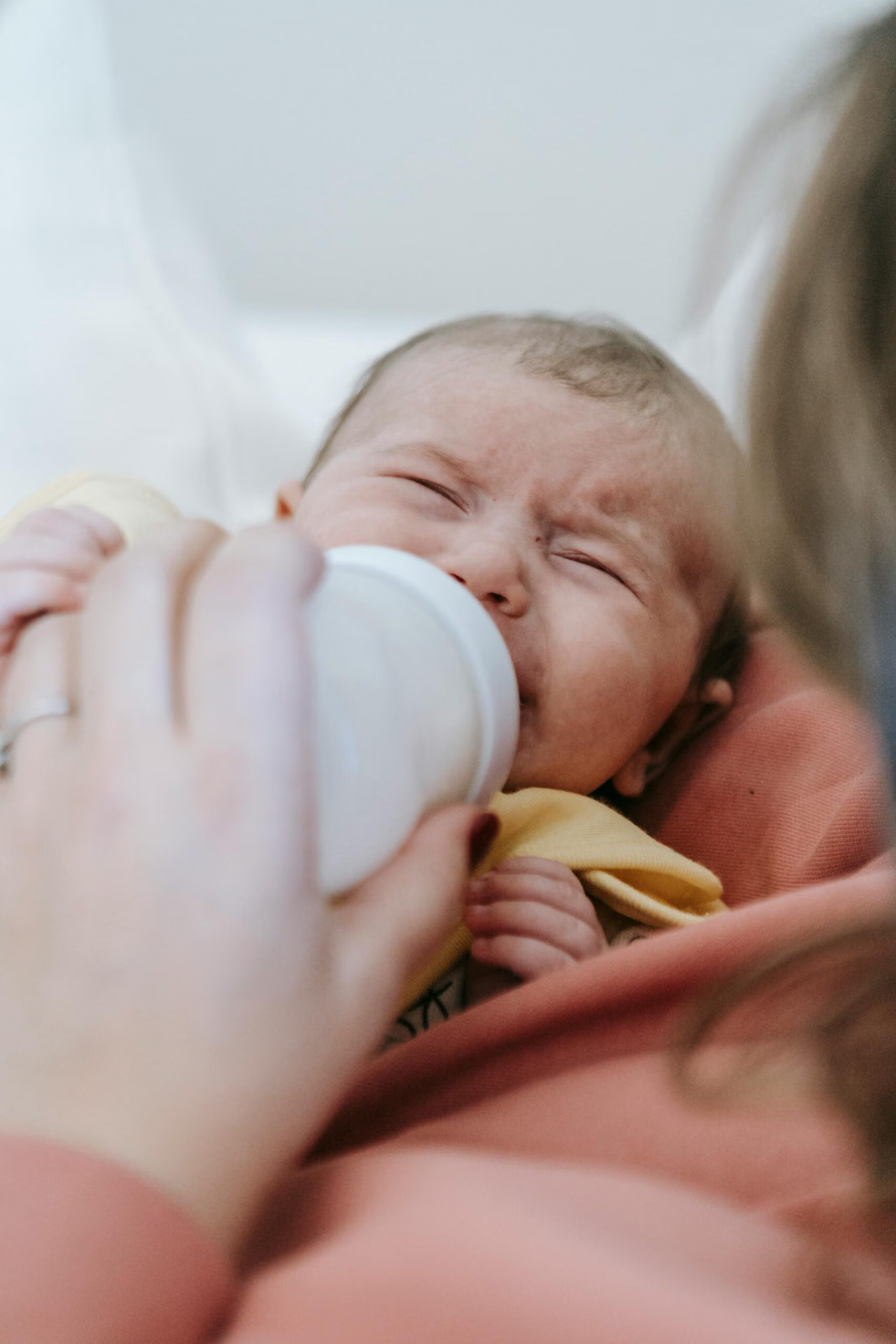
The FDA notified ByHeart on November 7, 2025, about approximately 83 cases of infant botulism reported nationwide since August 2025, with 13 infants having received ByHeart formula at some point. What began as a precautionary recall of two specific batches quickly escalated when evidence suggested broader contamination concerns.
By November 11, the company expanded its voluntary recall to include all ByHeart Whole Nutrition Infant Formula cans and Anywhere Packs nationwide. This comprehensive action came after preliminary laboratory results from the California Department of Public Health suggested the presence of bacteria that produce botulinum toxin in an open can of ByHeart infant formula fed to an infant with botulism.
ByHeart represents an estimated 1% of all infant formula sales in the United States, yet accounts for a disproportionate number of cases in this outbreak. Federal investigators have documented 15 cases across 12 states involving infants between 16 days and approximately 5 months old, all of whom required hospitalization.
Infant botulism differs from other forms of foodborne illness. This potentially fatal illness occurs when Clostridium botulinum spores are ingested and colonize the intestinal tract, producing botulinum neurotoxins in the immature gut of infants. The condition represents a unique vulnerability in babies whose digestive systems have not yet developed the protective bacterial colonies that defend against such infections.
The medical response to infant botulism requires intensive care, often including administration of an antitoxin medication and comprehensive supportive treatment. Families face not only the immediate trauma of watching their child struggle with a serious illness but also the financial burden of extended hospitalizations and potential long-term monitoring for developmental impacts.
ByHeart produces formula powder at a plant in Allerton, Iowa, then ships it to a site in Portland, Oregon, for canning and distribution. This multi-facility production chain creates multiple potential points where contamination could occur, from raw material sourcing through final packaging.
While the company has emphasized that no unopened containers have tested positive for contamination, this assertion provides limited comfort to families whose children became ill. The detection of bacterial presence in products that reached consumers indicates a breakdown somewhere in the safety systems designed to protect against exactly this type of contamination.
Companies that manufacture baby formula bear an extraordinary duty of care. Infants cannot voice complaints about product quality or unusual symptoms until illness has progressed.
Parents whose children consumed recalled ByHeart formula and subsequently developed infant botulism may have substantial legal claims against the manufacturer. Product liability law recognizes that companies must ensure their products are safe for their intended use, particularly when marketed for consumption by vulnerable populations.
Legal claims involving defective products are subject to statutes of limitations that vary by jurisdiction. These laws establish deadlines for filing lawsuits, typically calculated from the date of injury or discovery of harm.
Parents should retain any remaining formula containers, including packaging with batch codes and expiration dates. Medical records documenting the progression of illness provide essential proof of injury causation. Receipts or proof of purchase help establish product use. Even photographs of the formula containers or the child during illness can become important evidence.
Experienced product liability attorneys at The Lyon Firm understand how to build strong cases through investigation and strategic use of expert testimony.
Our firm brings extensive experience in product liability litigation involving consumer products, particularly those affecting children. We recognize the unique vulnerabilities of infant product cases and the heightened duty of care manufacturers owe to their youngest consumers.
When investigating contaminated infant formula claims, our legal team conducts thorough analysis of manufacturing processes and regulatory compliance issues. Our resources allow us to take on major corporations and their insurance companies effectively.
The Lyon Firm operates on a contingency fee basis for product liability cases, meaning families pay no attorney fees unless we secure compensation through settlement or verdict.
Q: My child consumed ByHeart formula but did not develop botulism. Do I still have a legal claim?
A: Even if your child did not become ill, you may have claims for the cost of the formula, emotional distress from exposure to a dangerous product, and expenses related to medical monitoring or switching formulas.
Q: How long do I have to file a lawsuit related to the recalled formula?
A: Statutes of limitations vary by state, typically ranging from one to four years from the date of injury or discovery of harm. However, special rules may apply to cases involving minors.
Q: What if my child's medical records do not definitively confirm infant botulism?
A: Diagnosis of infant botulism can be challenging, and some cases may be classified as suspected rather than laboratory-confirmed. Medical records showing symptoms consistent with infant botulism and correlation with formula consumption may still support a viable claim.
Q: Can I participate in a class action lawsuit instead of filing an individual claim?
A: Class actions may be filed in cases involving defective products, but they are not always the best option for families whose children suffered serious illness. Individual lawsuits often result in substantially higher compensation because damages are calculated based on each child's specific injuries and impacts.
The Lyon Firm is a Cincinnati, Ohio-based law firm, representing individuals nationwide in class action, product liability, and toxic exposure litigation.

Taking the first step doesn’t have to be complicated. In just a few minutes, you can share the basics of your case, and our team will guide you from there: