
Clorox Faces Class Action Over Recalled Mistolin and Lestoil Cleaners
October 6, 2026


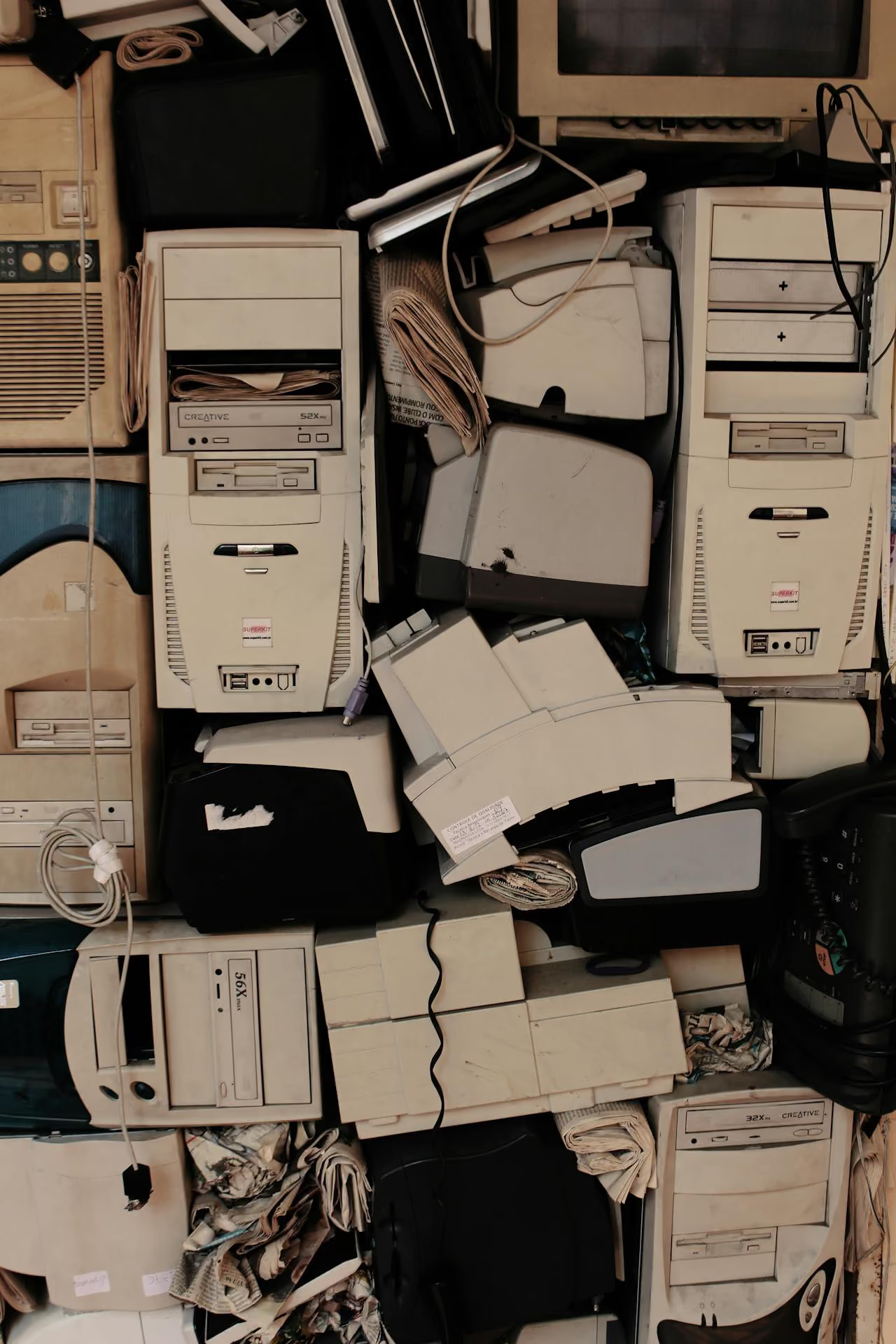
Behind every discarded laptop and unused server is a trail of hazardous materials that can contaminate communities and ecosystems if not properly managed.
What once seemed like a recycling issue is now fueling recyclability lawsuits against tech manufacturers and recyclers accused of sidestepping disposal rules or misleading the public about their environmental practices.
These cases are forcing companies to reckon with the honesty of their green marketing and their responsibility to consumers and the planet.
Technology manufacturers, retailers, recycling firms, and even hospitals and universities have found themselves in court over improper disposal practices. Claims often focus on dumping electronics without following environmental regulations or firms marketing “green” programs that actually result in overseas dumping.
State attorneys general and the Environmental Protection Agency (EPA) have increased enforcement actions. Private litigation is also on the rise, and individuals misled by false advertising about safe recycling are beginning to assert their rights in court.
By filing an e-waste lawsuit, you may be able to force corporations to own the environmental consequences of their limited-lifespan products.
By seeking legal representation, you contribute to broader environmental reform. Contact our legal team to discuss your legal options.
A newer legal trend in e-waste litigation is Extended Producer Responsibility (EPR). Under EPR frameworks, manufacturers can be held responsible for the lifecycle of their products, including recycling and safe disposal.
Several states are considering or have implemented laws requiring producers to take back electronics or fund recycling programs.
For lawyers and consumers, this opens a new legal pathway. Companies that cut corners or misrepresent compliance with EPR programs could face class actions or enforcement suits.

Under environmental and consumer protection statutes, individuals can pursue legal action when they are misled about recycling practices or harmed by unsafe disposal.
Class actions are also a common vehicle, allowing misleading recycling fee claims. Companies charging “recycling fees” without actually processing electronics responsibly can be held accountablefor their fraudulent misrepresentation.
The Lyon Firm has built a reputation for standing up to powerful corporations in consumer and environmental cases. Our goal is to compensate victims and to seek long-term reform in how companies handle their electronic waste.
1. Can I sue if I was charged a “recycling fee” but my electronics were not responsibly recycled?
Misleading consumers about recycling practices may violate false advertising and consumer protection laws.
2. Do individuals have standing in e-waste lawsuits, or are they only brought by governments?
Individuals can bring claims, especially through class actions. Both private plaintiffs and regulators are active in this area.
3. What damages can consumers recover in e-waste litigation?
Possible remedies include refunds of deceptive fees and civil penalties against corporations.
4. How does Extended Producer Responsibility impact me as a consumer?
EPR laws are designed to shift the burden away from you. They ensure manufacturers bear the costs of recycling and disposal.
5. Are companies really being held accountable, or is this mostly regulatory talk?
Settlements and judgments are increasing, with multimillion-dollar penalties already imposed. Courts are signaling that improper e-waste handling is not only unethical but illegal.
The Lyon Firm is a Cincinnati, Ohio-based law firm, representing individuals nationwide in class action, product liability, and toxic exposure litigation.

Taking the first step doesn’t have to be complicated. In just a few minutes, you can share the basics of your case, and our team will guide you from there: