
Clorox Faces Class Action Over Recalled Mistolin and Lestoil Cleaners
October 6, 2026


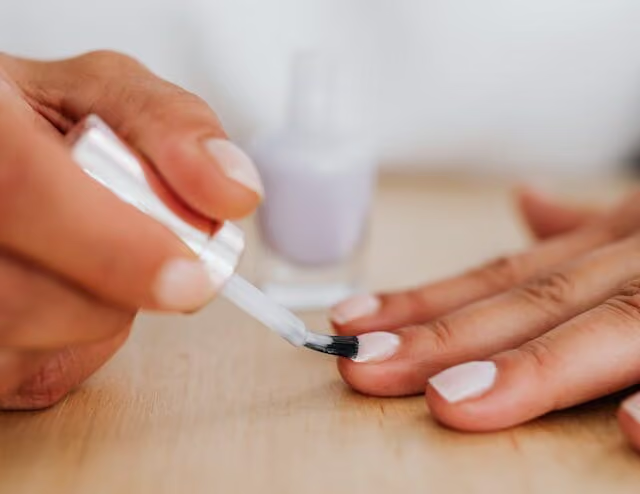
A nail polish remover sold on Amazon has been pulled from the market after federal regulators confirmed it contained two hazardous chemicals that are strictly prohibited in cosmetic products sold in the United States.
If you purchased Morovan Gel Nail Polish Remover between August 2025 and January 2026, you may have been unknowingly exposed to substances linked to cancer. Contact our product recall and toxic exposure lawyers to discuss tour legal options.
The U.S. Food and Drug Administration (FDA) issued a recall notice for the Morovan-branded Gel Nail Polish Remover after laboratory testing detected the presence of methylene chloride and chloroform in the product. The recalled units come in a 15-milliliter square turquoise bottle with a white cap, packaged in a matching green box, and were marketed as a fast and gentle solution for removing gel nail polish and builder gel.
Key recall details include:
Methylene chloride is a prohibited substance under FDA regulations and is not permitted in cosmetic formulations at any concentration. This chemical is more commonly associated with industrial applications like paint stripping than personal care products.
According to the U.S. Environmental Protection Agency, methylene chloride has been linked to cancer in animal studies and is considered a probable human carcinogen. Chloroform, the second chemical detected in the recalled product, presents overlapping health concerns and is similarly banned from use in cosmetics.
Repeated or prolonged exposure carries cumulative risk that may not manifest as symptoms immediately but can lead to serious health outcomes over time.
Unlike pharmaceuticals, cosmetic products in the United States do not require pre-market FDA approval before they are sold to consumers. The FDA only becomes involved once a product is already on shelves, often after testing or consumer complaints prompt scrutiny.
A significant portion of cosmetic and personal care products sold through online platforms like Amazon are manufactured overseas, where quality control standards and chemical regulations may differ substantially from those in the United States. When these products enter the U.S. market, consumers may have no way of knowing what ingredients they actually contain. This is particularly troubling with products applied directly to skin or used in poorly ventilated settings.
The Lyon Firm represents consumers across all fifty states in product recall and toxic exposure litigation, and the firm has held numerous negligent manufacturers and distributors accountable. Here is what sets The Lyon Firm apart in cases like this one:
Joe Lyon has spent decades litigating cases involving chemical exposure and dangerous consumer products and the firm understands the science behind toxic injuries and knows how to build a strong case linking exposure to harm.
1. I used the recalled Morovan nail polish remover. Do I automatically have a legal claim?
To pursue a product liability claim, you need to demonstrate that you were harmed as a result of using the recalled product. If you experienced health symptoms that a physician can link to chemical exposure, that connection strengthens any potential claim.
2. How long do I have to file a claim related to this recall?
Statutes of limitations for product liability claims vary by state, typically ranging from one to four years from the date of injury or discovery of harm.
3. Can I still pursue legal action even if I threw the product away before the recall was announced?
Preserving physical evidence is always helpful, but the absence of the product itself does not necessarily prevent you from pursuing a claim.
4. What kinds of compensation might be available in a product recall lawsuit?
Depending on the nature and extent of your injuries, recoverable damages in a product liability claim may include medical expenses both past and future, lost wages, costs of ongoing medical monitoring.
5. Is this recall large enough to result in a class action lawsuit?
With approximately 4,000 units sold and the potential for widespread exposure to banned chemicals, there may be grounds to pursue class action relief if a sufficient number of injured consumers come forward.
The Lyon Firm is a Cincinnati, Ohio-based law firm, representing individuals nationwide in class action, product liability, and toxic exposure litigation.

Taking the first step doesn’t have to be complicated. In just a few minutes, you can share the basics of your case, and our team will guide you from there: