
Clorox Faces Class Action Over Recalled Mistolin and Lestoil Cleaners
October 6, 2026



Many of our standing military installations that have housed hundreds of thousands of servicemembers and their families were contaminated with dangerous chemicals, exposing both military personnel and civilians to toxins that can cause serious health problems.
Common sources of contamination include asbestos materials and contaminated drinking water. In some cases, the contamination persisted for years before being publicly acknowledged, leaving thousands of people at risk for long-term illnesses.
Call our attorneys to learn more about filing a VA disability claim or to take a different route in filing a private lawsuit.
Veterans and civilians who lived or worked on contaminated sites have reported illnesses including:
One of the best-known cases involves Camp Lejeune, a Marine Corps base in North Carolina. From the 1950s to the 1980s, drinking water was contaminated with volatile organic compounds (VOCs) such as benzene and perchloroethylene. Veterans and families stationed there have since developed cancers and chronic diseases tied to that toxic exposure.
Fort McClellan in Alabama has been linked to exposure to PCBs and chemical agents. Andersen Air Force Base in Guam was the base where groundwater contamination and chemical dumping harmed both military members and nearby residents.
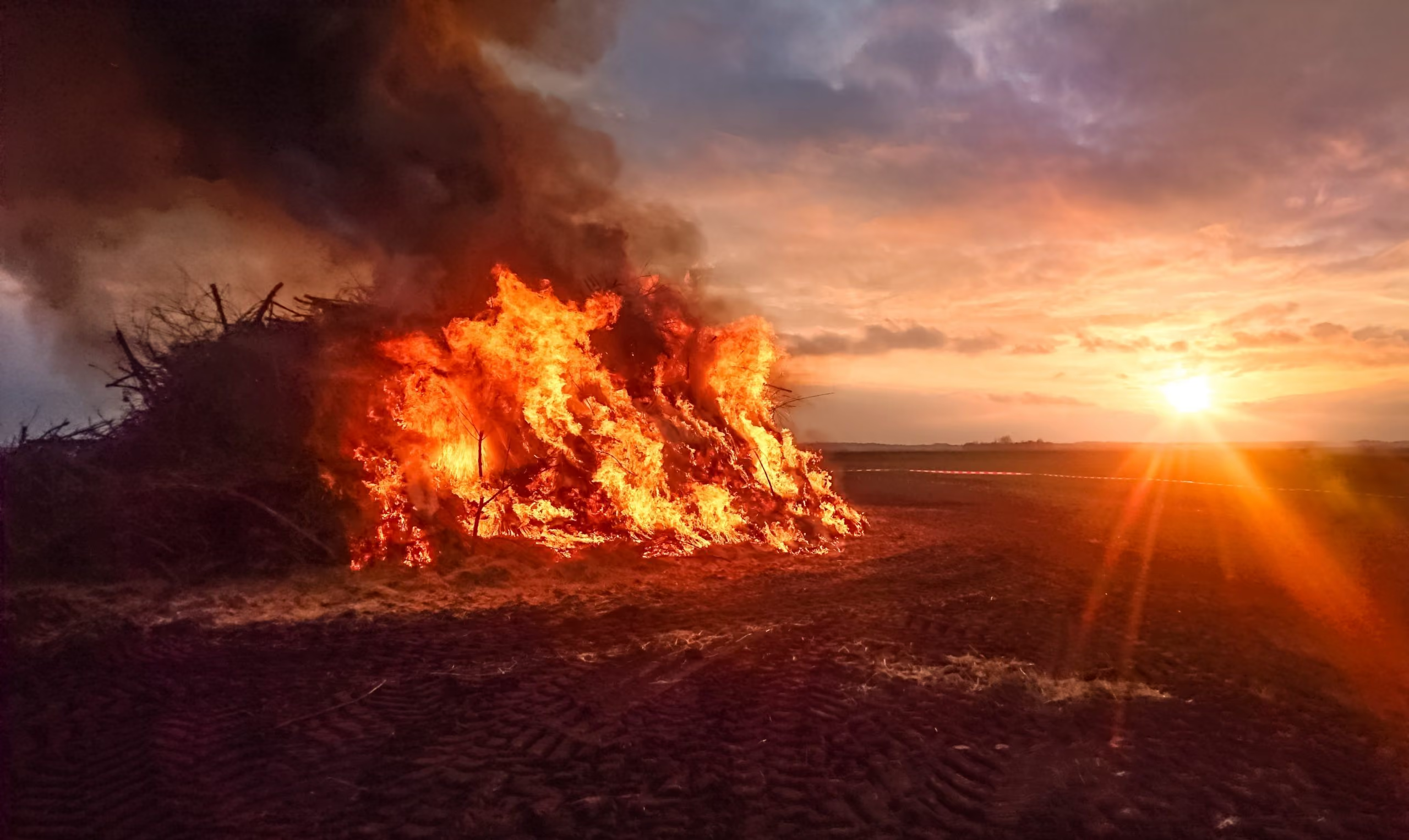
Burn pits filled with trash and chemicals released thick, toxic smoke that service members inhaled on a daily basis. Exposure to burn pits has been linked to cancers and serious respiratory illnesses.
The widespread use of burn pits in Iraq and Afghanistan prompted Congress to pass the PACT Act in 2022, which expanded presumptive conditions for VA disability claims related to burn pit and airborne hazard exposure. Veterans and civilian contractors who worked near these bases may qualify for benefits or may pursue private litigation if their claims are denied.
For decades, asbestos was used in construction materials and insulation across military housing and shipyards.
Veterans and civilian workers who inhaled asbestos fibers may later develop mesothelioma or asbestosis. Service members who lived in older base housing or worked in maintenance were at heightened risk.
Although asbestos use has been heavily restricted in recent years, many military facilities still contain aging asbestos materials that can release fibers when disturbed. Lawsuits and VA disability claims have been filed by veterans and families who suffered serious illnesses tied to this hidden hazard.
Beyond VA benefits, civilians and family members who suffered illnesses from toxic military bases may seek justice through private lawsuits.
In recent years, legislation such as the Camp Lejeune Justice Act has opened the door for service members to file claims against the government for damages related to toxic exposure.
Several military toxic exposure cases have drawn national attention, underscoring the widespread impact of contamination:

The Lyon Firm has represented individuals nationwide in complex toxic exposure and environmental contamination cases. We understand the challenges veterans and civilians face when confronting the government or large institutions.
Our team investigates contaminated sites and builds strong cases to establish the link between toxic exposure and illness. Whether you are pursuing VA disability benefits or a private lawsuit, we provide compassionate and determined legal advocacy.
The Lyon Firm is a Cincinnati, Ohio-based law firm, representing individuals nationwide in class action, product liability, and toxic exposure litigation.

Taking the first step doesn’t have to be complicated. In just a few minutes, you can share the basics of your case, and our team will guide you from there: