

License Plate Reader Lawsuits
Data privacy lawyer investigating ALPR violations.


.avif)


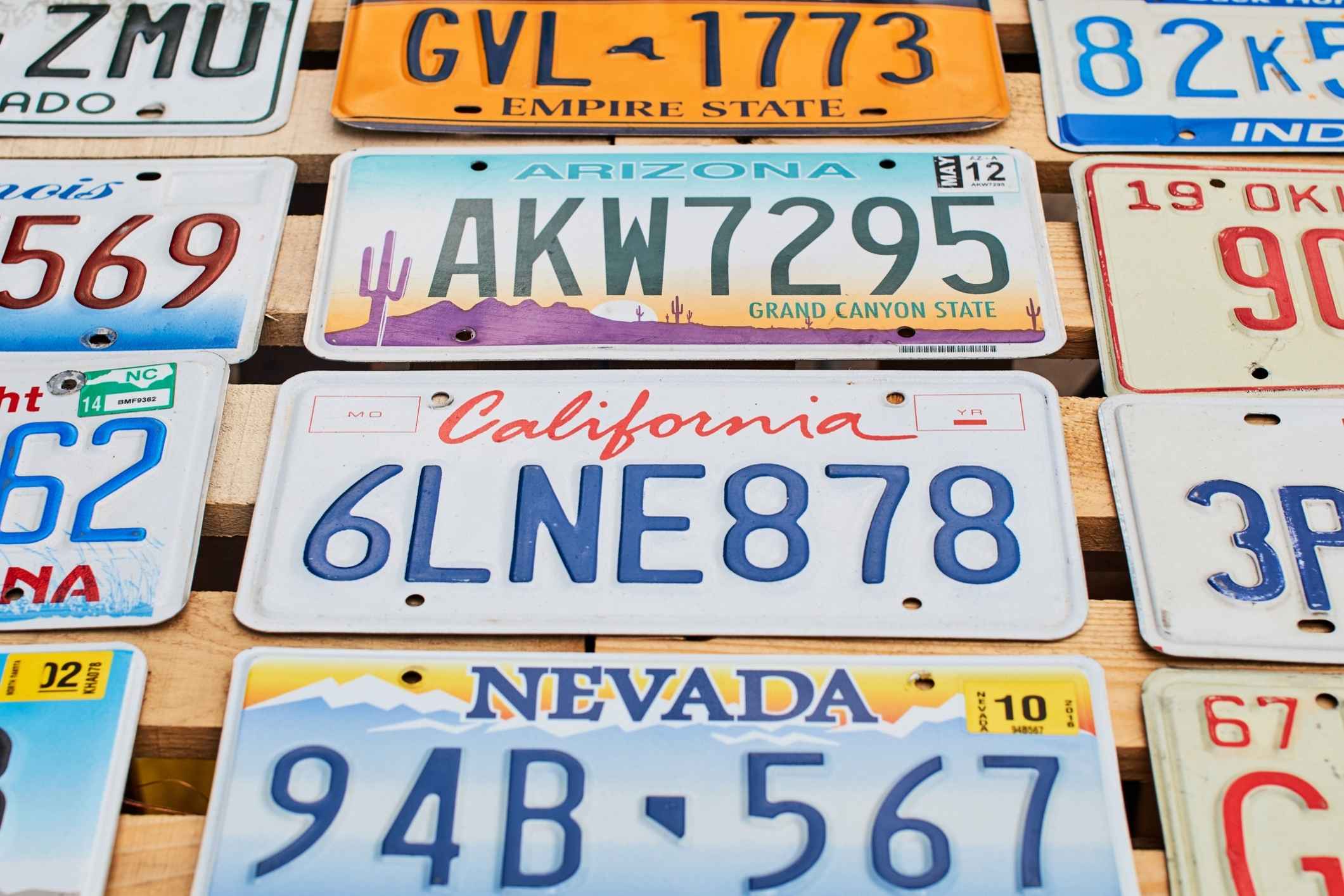
Every time you drive into a shopping center, hospital parking garage, apartment complex, retail lot, or office complex, there is a chance a camera records your license plate.
Most drivers never notice it. Fewer know what happens next.
Many of these cameras are part of automated license plate recognition (ALPR) systems. They don't simply take a photograph. They convert your license plate into searchable data and record where your vehicle was, when it was there, and how often it returns. Depending on the business operating the system, that information may be stored for months or even years.
California has one of the country's most comprehensive laws governing how businesses collect, store, and share license plate data. For years, that law received relatively little attention. In 2026, however, two California appellate decisions clarified when consumers may have the right to sue businesses that fail to comply with these requirements.
Since then, drivers have filed lawsuits against retailers, parking operators, camera vendors, and other companies that use ALPR technology.
If you believe a business photographed your license plate without complying with California law, The Lyon Firm can review your situation and explain whether you may have a claim.
Our data privacy attorneys represent consumers in complex privacy and class action litigation nationwide. Call our Irvine office at (949) 333-3402 or contact us online for a free, confidential case review.
What Is an Automated License Plate Recognition (ALPR) System?
An automated license plate recognition (ALPR) system uses cameras and software to photograph license plates and convert them into searchable information. Rather than simply capturing an image, these systems create a digital record that can include:
- Your license plate number
- The date and time the image was captured
- The camera's location
- A photograph of your vehicle
Some systems also collect additional information, such as the vehicle's make, model, color, GPS coordinates, or wider images showing the surrounding area.
ALPR technology is no longer limited to law enforcement. Private businesses throughout California use these systems every day, including:
- Shopping centers
- Retail parking lots
- Parking garages
- Hotels
- Apartment communities
- Homeowners associations
- Property management companies
- Tow trucks
- Private security vehicles
A single camera can scan thousands of license plates in one day, creating searchable databases that continue to grow over time.
What Can a License Plate Reader Learn About You?
A single scan reveals very little.
Thousands of scans collected over months or years can reveal an extraordinary amount about someone's daily life.
When license plate data is stored in a searchable database, it can show patterns such as:
- Where you live
- Where you work
- Medical offices or hospitals you visit
- Religious services you attend
- Schools your children attend
- Political events or community meetings you visit
- Businesses you frequent
- Your daily commuting habits
Unlike many forms of personal information, most people never knowingly provide this data. They simply drive into a parking lot.
California lawmakers recognized that license plate data can reveal highly personal details over time. The state's Automated License Plate Recognition law was enacted to promote transparency and establish rules governing how businesses collect, use, retain, secure, and share this information.
What Is California's License Plate Reader Law?
California's Automated License Plate Recognition law (Civil Code sections 1798.90.5 through 1798.90.55) establishes requirements for businesses and government agencies that operate ALPR systems.
At its core, the law requires operators to meet three primary obligations.
Protect License Plate Data
Businesses must implement reasonable security procedures to protect license plate information from unauthorized access, disclosure, alteration, or destruction.
Create a Written Privacy Policy
Every ALPR operator must maintain a written privacy and usage policy explaining how license plate information is collected, used, stored, shared, retained, and ultimately destroyed.
Make the Policy Available to the Public
The policy must be publicly available. For most businesses, that means posting it on their website where consumers can easily find it before or after visiting the property.
California requires much more than a generic privacy statement. A compliant ALPR policy should explain topics such as:
- Why the business uses license plate readers
- Who is authorized to access the information
- Employee training requirements
- Internal auditing and compliance procedures
- Whether information is shared with third parties
- How long records are retained
- When and how records are destroyed
- Who is responsible for operating the system
- How the company works to keep information accurate
These requirements apply to far more organizations than many people realize. Depending on how the technology is used, the law may apply to retailers, parking operators, hotels, shopping centers, homeowners associations, property managers, technology vendors, and law enforcement agencies.
When a business knowingly violates California's ALPR law and the violation results in legally recognized harm, consumers may have the right to recover actual damages, statutory damages where available, attorney's fees, litigation costs, punitive damages in appropriate cases, and court orders requiring the business to change its practices.
What Have California Courts Decided About License Plate Reader Lawsuits?
For years, California's ALPR law existed with relatively little guidance from the courts. That changed in 2026 when two California Courts of Appeal issued decisions interpreting when consumers may bring claims under the statute.
Together, these cases help answer an important question:
When does a business's handling of license plate data give someone the right to sue?
Although every case depends on its own facts, the decisions draw an important distinction between businesses that fail to comply with the law's transparency requirements and businesses that maintain the policies the law requires.
Bartholomew v. Parking Concepts: No Posted Policy May Support a Lawsuit
In Bartholomew v. Parking Concepts, a driver parked in a medical center garage in San Francisco where cameras collected license plate information.
The company operating the garage allegedly had not prepared or posted the privacy policy required by California's ALPR law.
A trial court dismissed the lawsuit because the driver's information had not been leaked, misused, or improperly shared.
In February 2026, however, the California Court of Appeal reversed that decision. The court concluded that failing to provide the public with the required policy may itself constitute a legally recognized injury because the statute was designed to give consumers transparency about how their information is collected and used.
The California Supreme Court later declined to review the decision, leaving the appellate ruling in place.
Mata v. Digital Recognition Network: A Privacy Policy Changed the Analysis
The second major decision reached a different result.
In Mata v. Digital Recognition Network, the plaintiff alleged that Digital Recognition Network (DRN) collected billions of license plate images and violated California's ALPR law.
Unlike the parking operator in Bartholomew, however, DRN had maintained a publicly available privacy policy describing its data collection practices.
In July 2026, the California Court of Appeal ruled in the company's favor. The court found that the plaintiff had not identified unauthorized access, a data breach, improper disclosure, misuse of his information, or another concrete injury involving his own data.
Simply believing that privacy had been invaded was not enough under the facts presented to the court.
What Do These Decisions Mean?
Taken together, these rulings provide important guidance for both businesses and consumers.
A business that operates license plate readers without publishing the privacy policy required by California law may face significantly greater legal exposure.
When a business has a publicly available policy, consumers generally need to identify additional facts showing that their information was improperly accessed, disclosed, mishandled, or otherwise caused legally recognized harm.
Because California privacy law continues to develop, every situation should be evaluated individually.
Do You Have a California License Plate Reader Claim?
If you believe a business collected your license plate information without complying with California law, it is worth speaking with an attorney before assuming you do not have a case.
The Lyon Firm can review the circumstances surrounding your claim, evaluate whether the business appears to have complied with California's ALPR requirements, and explain what legal options may be available. Call (949) 333-3402 or contact us online to schedule a free, confidential case review.
Which Companies Are Being Sued Over License Plate Readers?
Several businesses and technology companies have recently been named in lawsuits involving California's ALPR law. These cases remain allegations, and none of the companies identified below has been found liable for the conduct described unless otherwise stated.
Home Depot
Lawsuits including Schmierer v. Home Depot U.S.A., Inc. and McGinity v. The Home Depot, Inc. allege that Flock Safety cameras installed at California store parking lots collected license plate information and that the company's ALPR policy failed to satisfy several requirements of California law.
Among other allegations, the complaints contend the policy does not adequately identify who is responsible for the system, establish data retention limits, or explain restrictions on data sharing.
Motorola Solutions
A proposed class action alleges Motorola Solutions collected, stored, and shared vehicle information, including license plate data, photographs, and GPS coordinates, without complying with California's ALPR privacy and security requirements.
Flock Safety
An amended class action against Flock Group, Inc., doing business as Flock Safety, alleges the company's camera network tracked the movements of millions of Californians and shared information with law enforcement agencies outside California.
Law Enforcement Agencies and Technology Vendors
Public records disputes and litigation have also focused on whether certain California law enforcement agencies improperly shared ALPR information with federal agencies and out-of-state jurisdictions, an issue that has also drawn attention from the California Attorney General.
While these cases involve different facts and defendants, they reflect increasing scrutiny of how organizations collect, retain, secure, and share license plate data.
What Should You Do If a License Plate Reader Scanned Your Car?
If you believe your license plate was photographed by an ALPR system, a few simple steps can help preserve information that may become important later.
Write Down What You Remember
As soon as possible, make a note of:
- The business or property where your vehicle was scanned
- The date and approximate time
- Whether the camera was mounted at an entrance, exit, parking lot, or another location
- Anything that stood out, such as signs mentioning security cameras or license plate readers
Look for the Company's ALPR Policy
Many businesses post their Automated License Plate Recognition policy on their website, often in the footer alongside their Privacy Policy or Terms of Use.
If you cannot locate one, that does not necessarily mean the company failed to comply with California law. However, whether a policy exists, what it says, and whether it satisfies the statute may become important issues.
Save Anything That Shows You Were There
Keep documents that place you at the location, including:
- Parking receipts
- Store receipts
- Credit or debit card statements
- Parking tickets
- Reservation confirmations
- Photographs you took that day
These records may help establish when and where your vehicle was scanned.
Speak With a Privacy Attorney
California law places time limits on filing privacy-related claims. Waiting too long could affect your ability to pursue a lawsuit.
An attorney can evaluate whether California's ALPR law applies to your situation, review the company's privacy practices, and explain your legal options.
Important: The companies and lawsuits discussed on this page are based on publicly reported court filings. Unless otherwise stated, the allegations remain unproven, and no company identified has been found liable for the conduct described.
Experienced. Compassionate. Consumer Advocates
The Lyon Firm is a Cincinnati, Ohio-based law firm, representing individuals nationwide in class action, product liability, and toxic exposure litigation.

Handling Complex Data Privacy & Cyber Security Cases
Request A Free Consultation Now

.avif)
Why Choose The Lyon Firm?
Privacy laws continue to evolve, and California's 2026 appellate decisions significantly changed how courts evaluate license plate reader claims.
Understanding whether you have a case requires more than determining whether your license plate was scanned. It requires analyzing how the company collected, stored, protected, and disclosed your information, along with whether it complied with California's statutory requirements.
The Lyon Firm has represented consumers in complex privacy and class action litigation for nearly two decades. Our attorneys handle cases involving data privacy, unlawful data sharing, biometric privacy, consumer protection, and other emerging privacy issues affecting individuals across the country.
We closely monitor developments in California privacy law, including claims involving Automated License Plate Recognition systems, the California Consumer Privacy Act (CCPA), and the California Invasion of Privacy Act (CIPA). Every potential case is evaluated based on the most current legal authority and the specific facts involved.
Your consultation is free and confidential. We handle qualifying cases on a contingency fee basis, meaning you pay no attorney's fees or litigation costs unless we recover compensation on your behalf.
If you believe a business collected or stored your license plate information without complying with California law, The Lyon Firm is ready to review your situation. Call our Irvine office at (949) 333-3402 or contact us online to schedule your free case review.
License Plate Reader Lawsuit FAQs

It depends. California requires businesses operating ALPR systems to maintain and publicly post a privacy policy that complies with state law.
In Bartholomew v. Parking Concepts, a California Court of Appeal held that a consumer could pursue a claim after a business allegedly failed to publish the required policy, even though the plaintiff did not claim his information had been leaked or misused. Whether your circumstances support a lawsuit will depend on the specific facts, so it is worth having an attorney evaluate your situation.
Not necessarily. California law does not generally require businesses to notify drivers at the moment their license plate is photographed.
Instead, businesses operating ALPR systems are generally required to maintain a publicly available privacy policy explaining how license plate information is collected, used, retained, shared, secured, and ultimately destroyed.
Start by visiting the company's website. Many businesses place their ALPR policy in the footer near their general Privacy Policy or Terms of Use.
Some companies also post notices at parking lot entrances or near payment kiosks.
If you cannot locate a policy, an attorney can help determine whether one exists and whether it appears to satisfy California's statutory requirements.
Yes. California law permits law enforcement agencies to use Automated License Plate Recognition systems, but it also imposes requirements governing how that information is collected, protected, retained, and shared.
Recent disputes have focused on whether certain agencies improperly shared license plate information with federal or out-of-state law enforcement entities.
The answer depends on the facts of your case.
California Civil Code section 1798.90.54 allows qualifying plaintiffs to seek actual damages, subject to the remedies available under the statute. Courts may also award attorney's fees, litigation costs, injunctive relief requiring changes to business practices, and, in appropriate cases, punitive damages.
An attorney can explain which remedies may apply after reviewing your situation.
California law places deadlines on privacy-related claims, and waiting too long could prevent you from pursuing compensation.
Because the applicable deadline may depend on the facts of your case, including when your information was collected and the legal claims involved, it is important to speak with an attorney as soon as possible.
Data Privacy Lawsuits
Request a Free Consultation
Taking the first step doesn’t have to be complicated. In just a few minutes, you can share the basics of your case, and our team will guide you from there:
- It begins with a few simple questions about your situation.
- From there, a member of our legal team reviews your case.
- Together, we’ll chart the path forward, helping you take the next step toward resolution.
