

Chainsaw Accidents & Power Tool Recalls
Product Liability Lawyer reviewing defective chainsaw accidents for injured clients and plaintiffs nationwide


.avif)


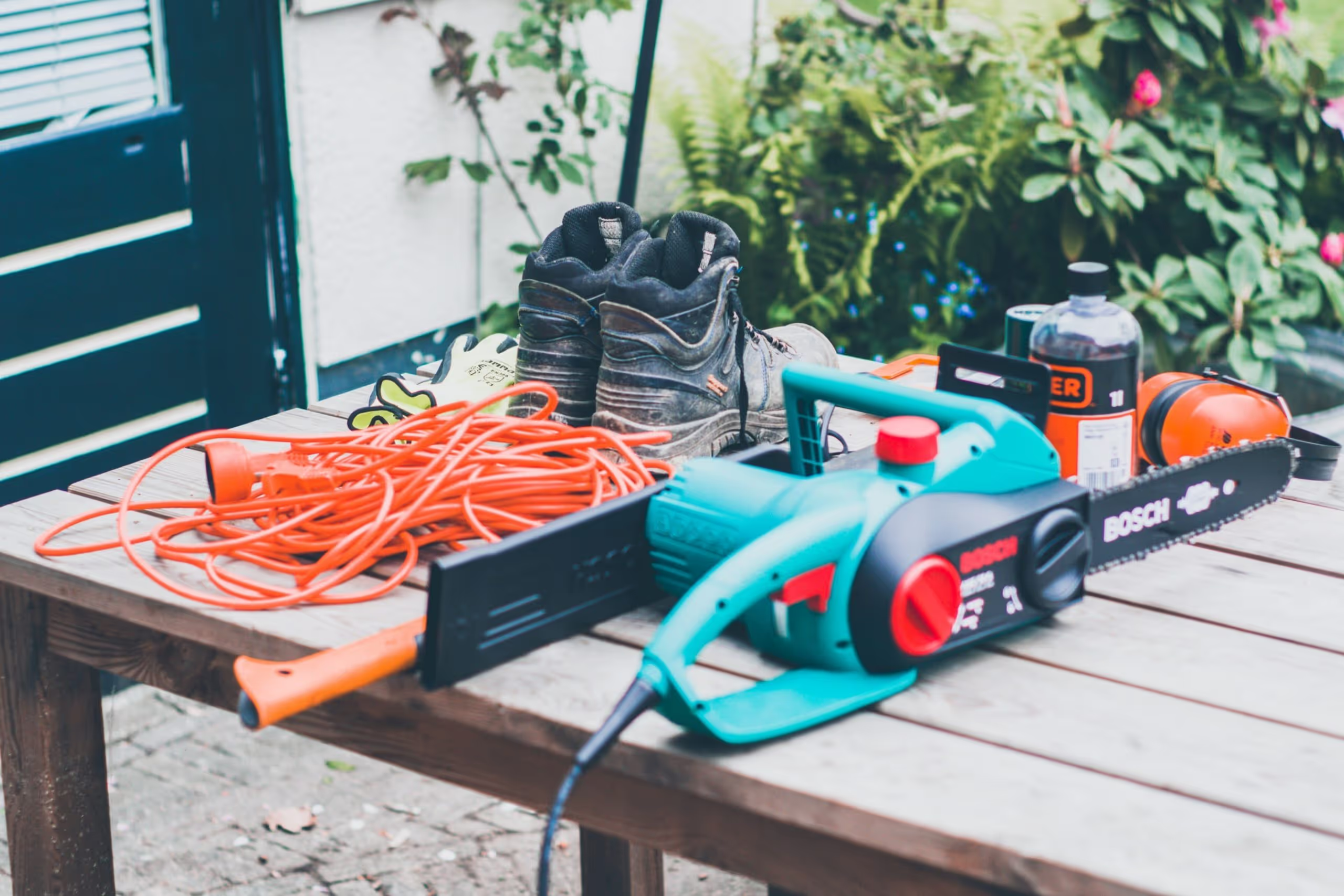
Defective Chainsaw Accident Lawsuits
Defective chainsaws have been linked to amputations and fatal injuries. Victims may be entitled to file a chainsaw defect lawsuit to recover compensation for lost income and pain and suffering.
Common Chainsaw Defects
Chainsaw accidents aren’t always the result of user error. Many are caused by hidden defects that make normal use unsafe. Common examples include:
- Faulty chain brakes or kickback guards: A malfunctioning safety brake can allow the chain to keep spinning after impact.
- Improperly tensioned or loose chains: Can fly off during operation, causing deep cuts or amputations.
- Electrical or battery malfunctions: In electric or cordless chainsaws, wiring or lithium-ion battery defects can cause fires or explosions.
- Defective throttle triggers or switches: Can lead to loss of control or unintentional start-up.
- Lack of safety warnings or poor instructions: Manufacturers must provide clear guidance and warnings to prevent foreseeable injuries.
When these or similar issues are traced back to defective design or manufacturing, victims can pursue a product liability claim against the manufacturer, distributor, or retailer.
According to the U.S. Centers for Disease Control and Prevention (CDC), each year around 36,000 people are treated in hospital emergency departments for injuries from using chain saws. Chainsaws are inherently dangerous tools, though when coupled with defects or malfunctioning, chainsaws are extremely hazardous to tree care workers and consumers.
The majority of the injuries involve the hands and lower extremities with about than 10 percent involving injuries to the head and neck regions. The most common hazards associated with chainsaws are injuries caused by tool kickback, pushback, and pull-in.
Joe Lyon is an experienced Cincinnati Catastrophic Injury and Product Liability lawyer accepting workplace accidents and related defective chainsaw injuries nationwide.
Recent Chainsaw Recalls
- DR Power Equipment Battery-Powered Chainsaws — June 2025
Approximately 7,000 units were recalled in the United States after reports that the motor controller could overheat during use, creating a fire and burn hazard. Consumers were instructed to stop using the saw immediately and contact the manufacturer for a refund. - Positec, Hyper Tough, Worx, and Portland Electric Corded Chainsaws and Pole Saws — July 2025
Roughly 49,000 chainsaws and pole saws were recalled due to a malfunctioning main power switch. The defect could cause the tool to continue running even after the trigger was released, posing a severe laceration risk. The products were sold at major retailers between late 2024 and early 2025. - Milwaukee Tool M18 FUEL Top Handle Chainsaws (12-inch and 14-inch) — October 2025
Nearly 90,000 units of Milwaukee’s M18 FUEL top handle chainsaws were recalled after reports that the chain brake could fail to activate properly. The defect allowed the chain to continue spinning, increasing the risk of severe lacerations. At least one injury was reported before the recall. - STIHL MS 361 Chainsaws — July 2024
STIHL voluntarily recalled a limited number of MS 361 chainsaws due to a defective flywheel component. The flaw could cause metal fragments to dislodge during operation, creating a serious injury risk. The recall applied only to units within a specific serial number range. - Additional Brand Recalls — 2024–2025
A number of smaller manufacturers and private-label chainsaw brands also announced recalls during this period, often related to faulty electrical components or chain tensioning systems that failed under normal use. Many of these incidents were linked to overheating or poorly insulated wiring.
Why Chainsaw Recalls Are So Common
Chainsaws combine powerful mechanical force with high-speed cutting chains, leaving little room for error. Even a minor defect like a sticky throttle or weak chain link can cause catastrophic injury.
Manufacturers are legally required to test their products for safety and issue prompt recalls when defects are discovered. However, recalls often come after accidents have already occurred, which is why injured users may be eligible to file product liability claims.
If you’ve suffered an injury from a chainsaw that was later recalled or that malfunctioned without warning, you may have grounds for a chainsaw defect lawsuit to recover damages for medical expenses and pain and suffering. Other recalls include:
DeWALT Recalled 18-inch Corded Chain Saws Due to Injury Hazard in January 2022. DewaltDWCS600, 18-inch corded chain saws can remain running when the switch is on the off position or turn on when plugged in, posing an injury hazard to the user.
In May 2018, more than a million chainsaws sold at Harbor Freight Tools stores nationwide were recalled because they allegedly continued to run after being shut off, posing a serious injury hazard. The company received at least 15 reports of chainsaws that still operated after the user switched them off, resulting in three laceration injuries. The recall involves two models of 14-inch chainsaws, sold under the following brand names: The Portland, One Stop Garden, and Chicago Electric.
Around 48,000 Hong Kong Sun Cordless electric chainsaws were recalled in February 2018 because the chain brake guard can fail and allow the chainsaw to continue operating, posing an injury hazard to users.
Nearly 100,000 STIHL gas-powered chain saws were recalled in February 2017 because the fuel line can leak, posing fire and burn hazards.
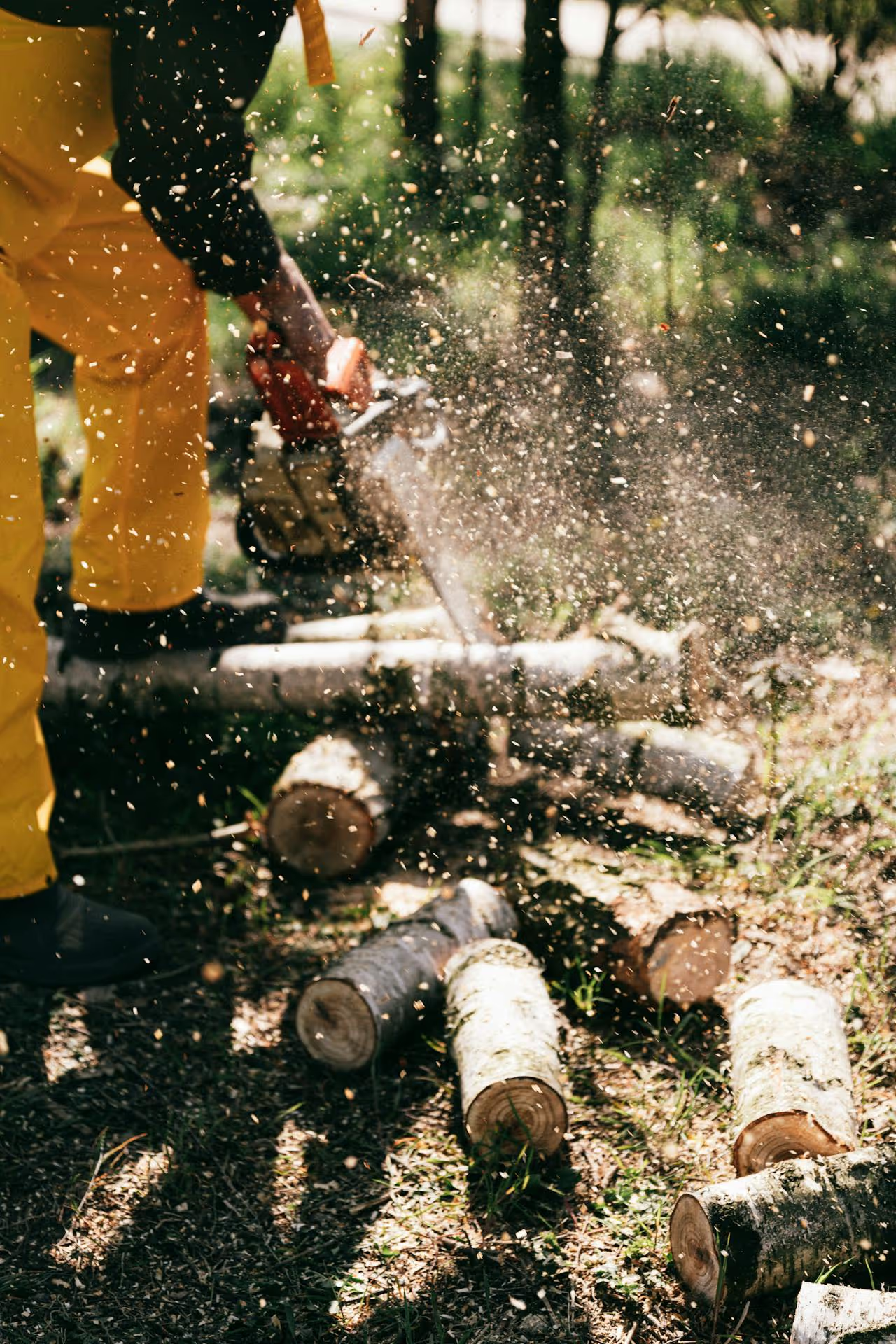
Chainsaw Accidents & Injuries
Chainsaw Safety
Certain safeguards can protect against injury while operating a chain saw, whether it is deemed defective or functions as intended. Safety tips for workers and consumers include:
- Operate, adjust, and maintain chainsaws according to manufacturer’s instructions
- Properly sharpen chain saw teeth
- Properly lubricate the blade with bar and chain oil.
- Check and adjust the blade tension on the chain to keep it from detaching
- Choose the proper size of chain saw to match the job
- Include safety features such as a chain brake, front and rear hand guards, stop switch, chain catcher and a spark arrester.
- Wear protective equipment, including hard hat, safety glasses, hearing protection, gloves, cut-resistant legwear, and boots which cover the ankle.
- Check around cutting area for possible tripping hazards
- Avoid contact with power lines
- Always cut at waist level or below to ensure that you maintain secure saw control
- Keep bystanders or coworkers at least 150 feet away from anyone felling a tree and 30 feet from anyone operating a chain saw
- If injury occurs, apply direct pressure over site of heavy bleeding
Experienced. Compassionate. Consumer Advocates
The Lyon Firm is a Cincinnati, Ohio-based law firm, representing individuals nationwide in class action, product liability, and toxic exposure litigation.

Handling Complex Data Privacy & Cyber Security Cases
Request A Free Consultation Now

.avif)
Why Hire The Lyon Firm?
The Lyon Firm represents victims of defective tools and machinery nationwide, including those injured by chainsaw defects. The firm’s attorneys have years of experience investigating product liability cases and securing compensation for clients.
If you or a loved one has been injured by a chainsaw malfunction, The Lyon Firm can evaluate your case, determine if a defect caused your injuries, and help you take legal action. The firm offers free consultations and handles product liability claims on a contingency basis. You pay nothing unless a recovery is made.
Frequently Asked Questions

If your injury occurred despite following safety instructions, or if a part failed unexpectedly, your chainsaw may have a defect. An attorney can help investigate.
Yes. A recall is not required to prove a defect existed or that the manufacturer was negligent.
You may still recover damages under comparative negligence laws. Your attorney can explain how your state’s laws apply to your case.
Most states have a statute of limitations—often two years from the date of injury—so it’s important to act quickly.
Defective Products Lawsuits
Request a Free Consultation
Taking the first step doesn’t have to be complicated. In just a few minutes, you can share the basics of your case, and our team will guide you from there:
- It begins with a few simple questions about your situation.
- From there, a member of our legal team reviews your case.
- Together, we’ll chart the path forward, helping you take the next step toward resolution.
