

Hernia Mesh Injury | Medical Device Defects
Medical Device Lawyer investigating defective medical products for injured plaintiffs nationwide


.avif)


.avif)
Cincinnati Hernia Mesh Lawyer
Hernia Mesh Lawsuits & Settlements
Thank you for considering The Lyon Firm. At this time, we are not accepting plaintiffs related to this specific consumer issue. However, if you would like to be contacted in the future, please complete the contact form. By completing the form you will be contacted if the Firm begins accepting new cases on this matter, and you will also be included in firm news alerts related to important consumer safety and privacy issues to help keep you informed about related issues.
Global health agencies have reported unacceptable failure rates for hernia mesh products on the market. As a result, thousands of lawsuits have been filed in recent years over major health problems associated defective Gore, Atrium, Covidien, Aspide, Bard and Ethicon hernia mesh devices.
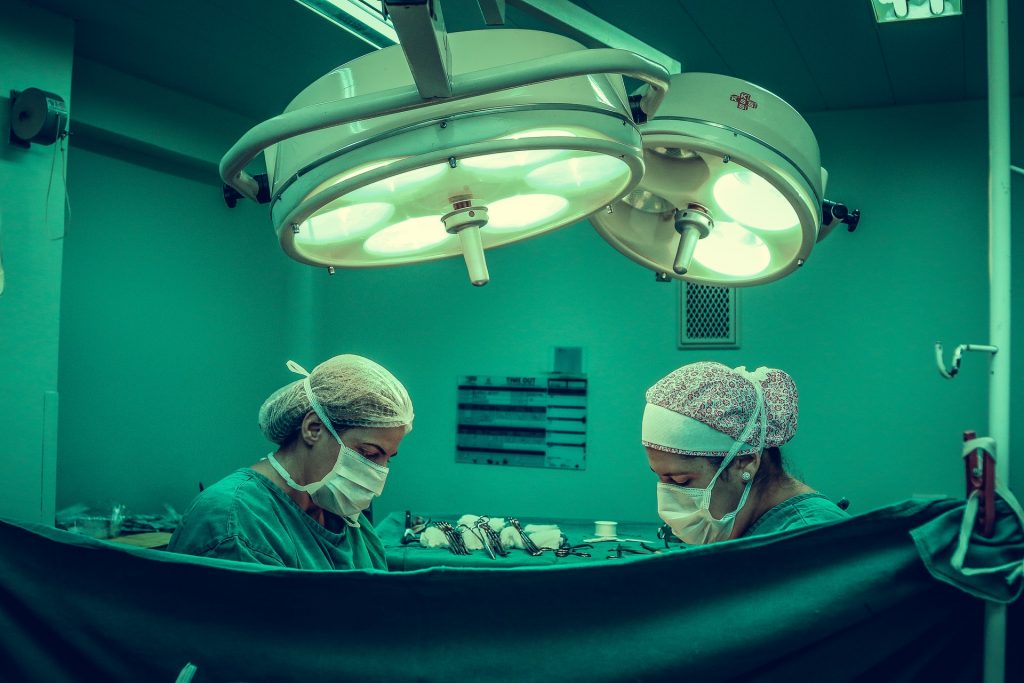
Over one million hernia repairs are performed each year in the U.S. About 800,000 of the procedures are to repair inguinal hernias and the rest are for other types of hernias. Surgeons commonly utilize surgical mesh to provide support to the weakened or damaged tissue.
The majority of surgical mesh devices currently available for use are constructed from synthetic absorbable, non-absorbable or a combination of absorbable (temporary) and non-absorbable (permanent) materials.
The use of hernia mesh products may improve patient outcomes. Though despite reduced rates of recurrence, there are situations where the use of surgical mesh for hernia repair may not be recommended. Patients should talk to their surgeons about their specific health issues and possible alternatives for hernia repair.
Joe Lyon is a highly-rated Cincinnati, Ohio product liability lawyer representing plaintiffs nationwide in a wide variety of defective medical device and hernia mesh injury claims.
Hernia Mesh Implants
- Gore DualMesh
- Aspide Surgimesh
- Ethicon
- Covidien
- Atrium
- Bard/ Davol
Hernia Mesh Revision Surgery
The risk for hernia recurrence increases from repair to repair. Surgical mesh is a medical device used to provide additional support to weakened or damaged tissue. Despite reduced rates of hernia recurrence with some mesh implants, there are situations where the use of surgical mesh for hernia repair may not be recommended.
The risk of long-term mesh-related complications for mesh repairs partially offset the benefits of mesh devices. Patients in Ohio should talk to their surgeons about their specific circumstances and possible alternatives for hernia repair.
The choice of a medical strategy and surgical technique can be more important in the treatment of recurrent hernias than in other areas of hernia surgery. Repairs in recurrent hernias have to take into account the prior device or implant used, the number of times the hernia has recurred, and the type of hernias.
Hernia recurrence may occur as a result of different causes and promoting factors, though hernia signs and symptoms include typically present the same way:
- A bulge in the area on either side of the pubic bone, which becomes more obvious when upright, especially if coughing or straining
- A burning or aching sensation at the hernia bulge
- Pain or discomfort in the groin, especially when bending over, coughing or lifting
- A heavy or dragging sensation in the groin
- Weakness or pressure in the groin
- Pain and swelling around the testicles if hernia descends into scrotum
Hernia Mesh Implant Safety Risks
Based on the U.S. Food and Drug Administration’s (FDA) analysis of medical device adverse event reports and scientific literature, the most experienced adverse events for all surgical repair of hernias are pain, infection, hernia recurrence, adhesion, abdominal obstruction, bleeding, fistula, seroma, and tissue perforation.
Mesh migration after mesh inguinal hernia repair is unpredictable. A previous report has presented complications related to prosthetics in hernia repair, such as infection, bowel blockage, bowel perforation, contraction, rejection, and, rarely, mesh migration. Mesh migration may occur as an early or late complication after an operation. The most common hernia mesh injury reports include the following:
• Pain
• Infection
• Fistula
• Hernia recurrence
• Adhesion
• Bowel obstruction
• Mesh migration
• Mesh shrinkage (contraction)
• Seroma
Hernia Mesh Infection
Mesh infection is feared because it is difficult to eradicate without removing the mesh. To make matter worse, infection can become clinically apparent many years after implantation.
Although widely used a precaution, there is no evidence that prophylaxis with antibiotics offers any protection against possible infection. Microporous meshes are at higher risk of infection because macrophages and neutrophils are unable to enter small pores.
Hernia Mesh Injury
Growing evidence in the medical field suggests that mesh removal, which is deemed necessary in many situations may cause infection, and permanent injury like chronic pelvic pain. Some estimates say nearly one in three patients who have mesh implants removed will suffer from chronic pain for years after the operation.
In severe cases, the mesh may cause infection, bowel protrusion, or even death. Despite the large numbers of post-operative complications, patients have difficulty finding doctors willing to remove the mesh.
The associated pain is not caused by simply having synthetic mesh, it’s typically the fact that the mesh is secured with stitches that sometimes become entangled with sensitive nerves. As the body begins its repair process, the mesh moves with the abdomen and over time can stretch, causing a feeling of tearing or burning pain.
Hernia Mesh Injury Settlements
Joe Lyon aggressively, professionally, and passionately advocates for injured individuals and families against medical device companies due to a defective or recalled hernia mesh product to obtain just compensation under the law.
Experienced. Compassionate. Consumer Advocates
The Lyon Firm is a Cincinnati, Ohio-based law firm, representing individuals nationwide in class action, product liability, and toxic exposure litigation.

Handling Complex Data Privacy & Cyber Security Cases
Request A Free Consultation Now

.avif)
Hernia Mesh Injury Settlements
Defective hernia mesh litigation helps to improve patient safety and holds medical device companies accountable when hernia products injure plaintiffs and clients. Settlements can be crucial for victims and patients who struggle to cope with serious injury and to pay for substantial medical costs.
Hernia Mesh Lawsuits FAQ

Attorneys claim several hernia mesh devices were not properly tested before they were marketed and distributed as safe medical instruments.
The companies currently face thousands of pending hernia mesh injury lawsuits. If you have had surgery to treat a hernia using a device and you experience any signs or symptoms of recurrence of the hernia, please consult with a medical and legal expert. The Lyon Firm has experience litigating cases against medical device manufacturers.
Attorneys contend that some hernia mesh devices are not properly tested before they are distributed to the public as safe products. Device companies like Gore, Aspide, Ethicon, Bard, Covidien and Atrium have settled hundreds of lawsuits and currently face countless more injury claims.
If you are unsure about the mesh manufacturer and product used in your surgery and have questions about your hernia repair, contact your Ohio surgeon to obtain medical records. Contact a Cincinnati hernia mesh lawyer to discuss potential hernia mesh injury lawsuits and settlement.
- Gore DualMesh
- Aspide Surgimesh
- Ethicon
- Physiomesh
- Proceed
- Prolene
- Covidien
- Parietex
- Parietene
- Permacol
- Surgipro
- Atrium
- C-Qur
- ProLoop
- Bard/ Davol
- Visilex
- Composix
- Marlex
- Ventralight
- Spermatex
- 3D Max
- Sepramesh
- PerFix Plug
- Ventralex
- Kugel
Regardless of treatment, hernias have a high rate of recurrence, and surgeons often use surgical mesh to strengthen the hernia repair recurrence rate. The use of meshes is thought to reduce dramatically the incidence of hernia recurrence.
However, up to 50 percent of hernias may reoccur with an implanted device. This is commonly due to inadequate fixation during the original operation or shrinkage of the mesh. Light-weight meshes may have a higher risk due to their increased flexibility and movement.
Two-thirds of recurrences occur after three years. It is not clear if the type of mesh used has any effect on durability. All mesh products appear equally limited in effectiveness.
- Inguinal: occurs in the inner groin. The most common of abdominal hernias. Sometimes muscles that attach to the pelvis leave a weakened area and if there is a stress placed on that area, the weakened tissues can allow a portion of small bowel to slide through that opening, causing pain and producing a bulge. Inguinal hernias are more likely to occur in men.
- Femoral: occurs in the upper thigh/outer groin. Femoral hernias tend to occur more frequently in women.
- Incisional: occurs through an incision or scar in the abdomen. Incisional hernias occur as a complication of abdominal surgery, where the abdominal muscles are cut to allow the surgeon to enter the abdominal cavity to operate.
- Ventral: occurs in the general abdominal/ventral wall
- Umbilical: occurs at the belly button and are very common in newborns and often do not need treatment unless complications occur. Some umbilical hernias enlarge and may require repair later in life.
- Hiatal: occurs inside the abdomen, along the upper stomach/diaphragm
- Obturator: the least common hernia of the pelvic floor, mostly found in women who have had multiple pregnancies or who have lost significant weight.
Repair of hernias are done by either suture repair or prosthetic mesh repair. The latter is associated with a lower recurrence rate but a higher incidence of complications. The most serious complication is the development of fistula.
Fistula is a late complication of prosthetic mesh repair and is usually due to chronic erosion of bowel by mesh placed in direct contact with intestinal loops both in open and laparoscopic repairs.
Hernia mesh adhesions are scar tissue resulting from hernia mesh operations and the healing process. Following hernia repair surgeries, adhesions may form in the abdomen or peritoneum. The mesh repairs usually heal quickly but when adhesions form, organs connected by the scar tissue may not function properly.
The popularity of hernia mesh operations has led to increasing concern regarding mesh-related adhesions. Adhesions result from the fibrin exudates that follow any kind of trauma.
These exudates form temporary adhesions until the fibrinolytic system absorbs the fibrin. Absorption is delayed in the presence of inflammation or foreign bodies such as mesh devices. In these situations, they develop into tissue adhesions.
All mesh implants produce adhesions, though their extent varies. Abdominal adhesions are a common complication, occurring in a majority of people who undergo abdominal or pelvic surgery. Adhesions cause the majority of small bowel obstructions in adults, and are believed to contribute to the development of chronic pelvic pain.
X-rays do not reveal potential mesh issues or diagnose the presence of adhesions. An additional surgery is usually needed to diagnose or treat hernia mesh adhesions. However, revision surgeries carry risks and can lead to further health problems, including infection, bowel blockage, bowel perforation and chronic pain.
Adhesions may begin forming long before they are noticed by patients or doctors. Depending on the location, adhesions from defective hernia mesh devices may cause pain and affect the bowel in different ways. Even removing a defective hernia mesh product may not completely solve all health issues.
A medical device becomes legally defective when it poses unreasonable danger despite proper use. Defects usually fall into three categories: design flaws, manufacturing mistakes, or marketing failures such as missing warnings. For example, if a surgical mesh erodes inside the body or an infusion pump malfunctions under normal conditions, courts may consider them defective.
The evaluation often involves expert testimony about the product’s intended purpose and whether safer alternatives existed. A device that fails to meet industry or FDA standards also raises red flags. In short, defectiveness hinges on whether the product’s risks outweigh its intended medical benefits.
Hiring The Lyon Firm means choosing a law practice that puts clients first. Joe Lyon has extensive experience representing individuals in product liability and consumer protection cases. The firm is not afraid to stand up to corporations or insurance companies and has recovered millions on behalf of clients nationwide.
Beyond results, The Lyon Firm offers compassion, communication, and transparency throughout the legal process. Clients can expect detailed case preparation, strong advocacy in negotiations, and fearless representation in court. For those seeking accountability and justice, The Lyon Firm provides the skill and dedication you deserve.
Medical Devices Lawsuits
Request a Free Consultation
Taking the first step doesn’t have to be complicated. In just a few minutes, you can share the basics of your case, and our team will guide you from there:
- It begins with a few simple questions about your situation.
- From there, a member of our legal team reviews your case.
- Together, we’ll chart the path forward, helping you take the next step toward resolution.
