

Stryker Citation | Hip Implant Injury
Cincinnati Medical Device Lawyer investigates Stryker Hip Implant Injuries for plaintiffs nationwide


.avif)


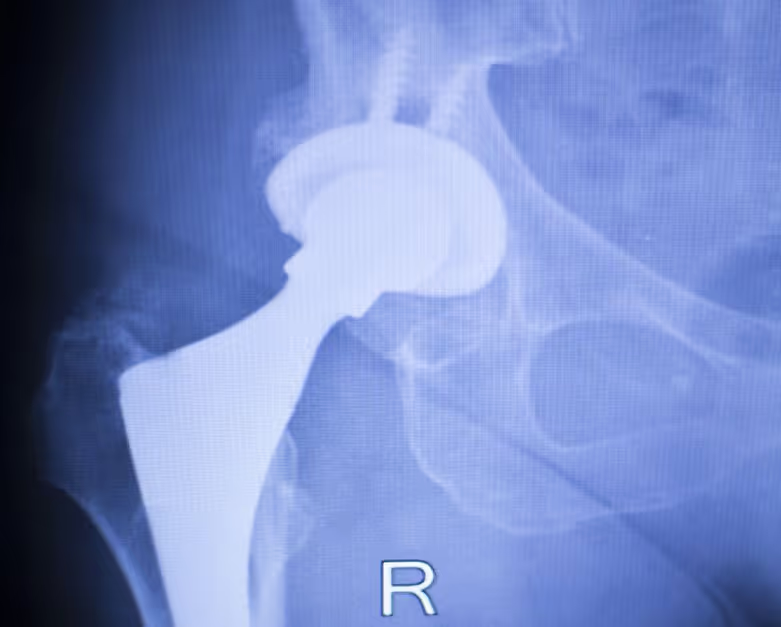
Stryker Citation Lawsuits
Investigating stryker hip replacement injury cases
Stryker Orthopedics has initiated a recall of a critical component in thousands of hip replacement systems in Australia and Canada, including the Stryker Meridian implant. This development has raised concerns in the United States, where hip implants have become increasingly common among both doctors and patients.
It is expected that Stryker will soon announce a recall of its hip implants in the U.S. due to a higher-than-anticipated number of complaints related to taper lock failures.
The Stryker LFIT V40 femoral head, which is used in Meridian hip replacement devices, has already been recalled in other countries due to a significant volume of complaints, ranging from minor inflammation to severe health issues caused by excessive metallic debris.
The potential risks are associated with the LFIT head, which is connected to Meridian stem systems. While physicians and surgeons have already received recall notices, patients are yet to be officially informed as Stryker is currently assessing the extent of the problem.
Who is at Risk of Injury?
The Australian Therapeutic Goods Administration warned in a September, 2016 hazard alert that crucial components used in Stryker’s Citation hip replacements have higher-than-expected rates of failures. It has been identified that some LFIT V40 femoral heads manufactured before 2011 have high incidences of taper lock failures.
The Australian health agency identified seven Stryker models using the LFIT hip femoral heads, with head diameters ranging from 36 mm to 44 mm, which may cause issues for patients. Stryker’s products with similar specifications have been included in the hazard alert. Possible defective Stryker femoral heads are used in the following models:
• Citation
• Accolade TMZF
• Accolade 2
• Meridian
Hip Replacement Failure Lawsuits
Patients who suspect they may have a faulty hip system should make it a priority to consult with a healthcare professional or the surgeon who performed the implant surgery. This is especially important if they encounter symptoms such as pain, reduced mobility, or instability.
The approval process for new medical devices by the FDA is notably permissive. This may lead to instances where defective products like hip implants can harm American consumers. Those who have been harmed by hip replacement failure and their legal representatives are actively striving to hold medical device companies, such as Stryker, accountable for the sale and distribution of these unsafe and faulty products.
Stryker Citation Hip Implant Failure
New recalls suggest Stryker LFIT femoral heads manufactured before 2011 are associated with dangerous failure and metallosis. The U.S. Food and Drug Administration (FDA) has warned in the past that certain patients, including female patients, are at risk for increased hip implant device wear and adverse reactions to metal debris. Patients may also experience the following dangerous side effects:
• Loss of mobility (trouble walking)
• Moderate to severe pain
• Inflammation
• Adverse local tissue reactions (rashes)
• Implant dislocation
• Joint instability
• Bone fractures around the components
• Metallosis (reaction to metallic debris in blood)
Other symptoms of a failing hip implants include:
• Dead tissue around the implant
• Infection
• Formation of cysts or pseudo-tumors
• Nerve damage
Stryker Citation Recalls
Stryker has reportedly sent a warning notice to orthopedic surgeons using their Citation hip implants. According to the warning, the Stryker LFIT hip implant components, used in the Citation units, may cause failures. Hip system failures where the femoral head connects to the femoral neck compromise the entire implant system and places a patient’s health in jeopardy.
Anybody with a Citation hip system should contact their doctor at the first sign of failure, and go for regular follow-up consultations to ensure the device is properly functioning. Unfortunately, many hip implant issues require invasive hip revision surgery.
Stryker Hip Implant Lawsuits
Orthopedic surgeons and recipients of implants have reported hip failures in the Citation system similar to the Rejuvenate and ABGII recall that occurred in June 2012. All Stryker products with failing components are made of the same TMZF metal alloy including the Stryker Citation.
Numerous lawsuits were filed in U.S. courts in 2014 after many patients had suffered failures of Stryker LFIT V40 femoral heads. Lawyers alleged that the components were defectively designed and manufactured. Stryker has not disclosed the cause of the failures.
Failing Stryker Hip Replacements
Patients with an affected implant should follow up with a health professional or implanting surgeon, particularly if they experience instability, pain, or loss of mobility.
American consumers are at the mercy of the lenient FDA approval process for new medical devices. Many defective products on the market, like hip implants, further injure patients looking for a better quality of life. Victims and attorneys are forcing medical device companies like Stryker to claim responsibility for the defective products they market and distribute.
Experienced. Compassionate. Consumer Advocates
The Lyon Firm is a Cincinnati, Ohio-based law firm, representing individuals nationwide in class action, product liability, and toxic exposure litigation.

Handling Complex Data Privacy & Cyber Security Cases
Request A Free Consultation Now

.avif)
Why are these cases important?
Defective medical device litigation helps to improve patient safety and holds companies accountable when defective products injure plaintiffs and clients.
Questions about Hip Replacement Litigation

There are several models on the market, some made of plastic, and some metal on metal hips that have been known to cause problems.
Ohio Definition of Defective
A product is defective if it is unreasonably dangerous for its intended use. A legal cause of action can be based on several types of product defects. The following are Cincinnati product liability and strict liability claims available in Ohio and in most jurisdictions nationwide:
(1) Manufacturing/ Construction Defect:
These issues arise where the product is released from the factory in a manner that deviates from the intended design or specifications. The defect can be a result of using the wrong materials, including the wrong or completely foreign materials (e.g., Tylenol contamination, food poisoning, damaged car part from factory installation).
As a result of the deviation, the product enters the market in an unreasonably dangerous condition and the consumer is exposed to or purchases a product that is defective. Any personal injuries or economic loss that arise from the the defect are compensable under Ohio product liability law.
(2) Defective design and/or formulation:
Defective design product liability cases arise not because a mistake was made during the manufacturing process, but rather the original design of the product is unreasonably dangerous. A “risk benefit analysis” is used to determine whether safer/less expensive alternative designs were available to the manufacturer.
Federal regulations set minimum standards for the design of many consumer products, and preemption defenses may preclude liability in some situations if the manufacturer follows and obtains federal approval for a product. Automotive recalls and product liability cases are usually a result of a defective design. Common cases include the Toyota Brake Recall, Chrysler Gen III seat belt buckle, lap belt only cases, Metal on Metal hip implants, transvaginal mesh.)
(3) Failure to warn or inadequate warning or instruction associated with the product:
All consumer products come with necessary and appropriate warnings and instructions for use. If the lack of a warning makes the product and use of the product unsafe, the manufacturer is liable for the failure to place the warning. The most common area of litigation for failure to warn is in pharmaceutical litigation.
Pharmaceutical manufacturers are required to warn of the known or foreseeable side effects and update the warnings in a timely manner. Litigation arises where there is evidence the manufacturer failed to timely update a warning in light of new data or simply ignored the risk and failed to conduct sufficient research to identify and then disclose the risk.
(4) Misrepresentation:
The product fails to conform to a representation or warranty. Warranty claims are more common in commercial and economic loss cases than in personal injury cases. In many States, The Product Liability Act does not apply to cases with only economic loss, because the Commercial Code provides recourse for breach of warranty.
The warranty may be written or implied based upon the products intended purpose and merchantability. An example of a breach of warranty cases are cases involving automotive defects.
Pain, inflammation, infection, immobility and a sense of instability are all good signs there may be a problem with your hip implant.
- Sensitivity or a skin rash
- Bone loss
- Inflammation
- Chronis pain
- Numbness
- Difficulty walking
- Blood poisoning
- Cobalt poisoning
- Circulatory issues
- Neurological changes
Medical Devices Lawsuits
Request a Free Consultation
Taking the first step doesn’t have to be complicated. In just a few minutes, you can share the basics of your case, and our team will guide you from there:
- It begins with a few simple questions about your situation.
- From there, a member of our legal team reviews your case.
- Together, we’ll chart the path forward, helping you take the next step toward resolution.
