

Plastics and Microplastics Litigation
Environmental and toxic tort attorneys investigating plastic contamination.


.avif)


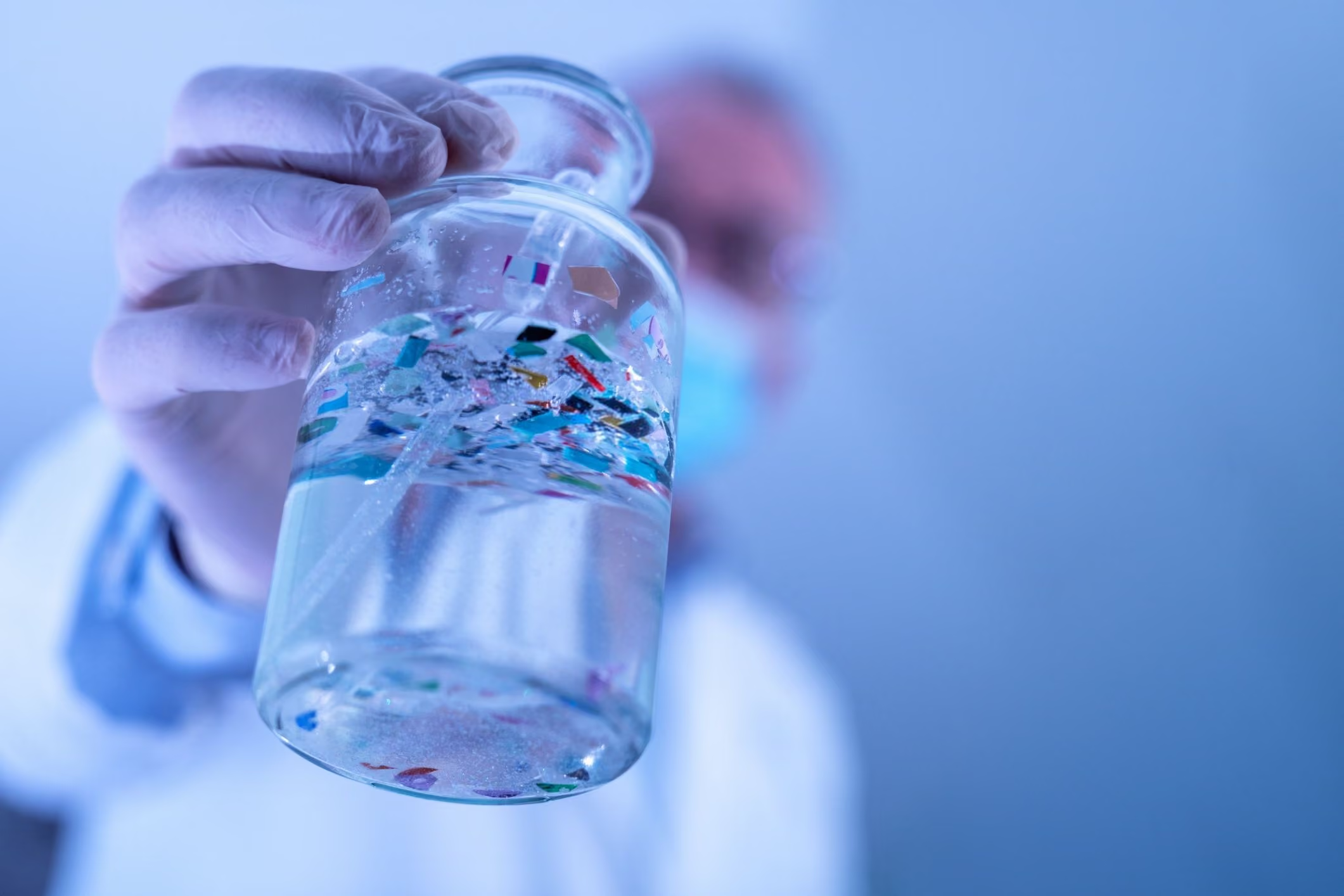
Microplastics have been found nearly everywhere in the environment, including in drinking water, soil, air, food, and human tissue. If you live near a plastics plant, work around plastic resins or powders, rely on a potentially contaminated water source, or have watched plastic pellets collect along a nearby waterway, you understand the great extent of the problem.
You may have wondered where the contamination came from and whether the company responsible can be held accountable. Those questions are being answered by our toxic tort attorneys and courts across the country.
Residents and environmental groups have already brought cases over plastic pellets discharged from manufacturing plants. The Lyon Firm is investigating plastic pollution and microplastics claims involving industrial contamination, workplace exposure, water pollution, and other potentially harmful releases.
Concerned about plastic pollution where you live or work? Call The Lyon Firm at (513) 381-2333 or contact us online for a free, confidential consultation.
How Are People Exposed to Microplastics?
Microplastics are plastic particles smaller than five millimeters. They may be manufactured at a very small size or develop as larger plastic products break down. You do not have to work at a plastics plant to encounter them as researchers have found microplastics throughout the environment, and there are several ways larger concentrations can reach workplaces and communities. Common sources include:
- Plastic manufacturing facilities. Resin pellets, powders, and other materials can escape during manufacturing, storage, loading, or transportation.
- Industrial wastewater. Plastic processing, recycling, textile, and chemical facilities can release particles and fibers into waterways.
- Synthetic textiles. Manufacturing and washing synthetic fabrics releases tiny plastic fibers.
- Tires. Everyday tire wear produces particles that wash from roads into storm drains, streams, rivers, and other waterways.
- Plastic waste. Bottles, bags, containers, fishing gear, and other plastic products gradually break into increasingly smaller pieces.
Pollution released in one location can also move through wastewater systems and groundwater, making contamination a concern beyond the property where it originated.
For people living near manufacturing or processing facilities, recurring pellets or plastic debris in nearby waterways, unusual discharges, contaminated wells, and notices from environmental agencies can raise questions about a local source.
Can Microplastics Make You Sick?
Scientists know that microplastics can enter the human body. Researchers have detected plastic particles in blood and human tissue and specific health effects are still being studied.
The FDA currently states that scientific evidence does not demonstrate that levels of microplastics or nanoplastics detected in foods pose a risk to human health. Researchers are continuing to investigate possible effects of BPA and phthalates on cardiovascular health, inflammation, the gut microbiome, reproductive health.
A 2025 Nature Medicine study attracted particular attention after researchers found microplastics and nanoplastics in human liver, kidney, and brain tissue. Concentrations were substantially higher in brain tissue, and samples collected in 2024 contained higher concentrations than those collected in 2016.
For anyone who believes their illness is connected to plastic exposure, the type and amount of exposure can become especially important. Working around plastic dust or resin every day presents a different exposure history than encountering the low levels of microplastics now found throughout the environment.
Can Plastic Pollution Lead to a Lawsuit?
Individuals have brought claims after discovering pollution near their homes or in their drinking water. Other related cases involve plastic products sold with environmental claims that consumers say were misleading.
Some communities have had to deal with plastic pellets, powder, fibers, or other material escaping from industrial facilities into surrounding waterways and property. Residents may see pellets accumulating along shorelines or drainage areas and private wells or nearby waterways may test positive for contaminants. State and federal environmental agencies have cited facilities for discharge or permit violations.
Depending on what your experience has been, legal claims can brought to remedy damages related to property contamination and cleanup costs.
Your Drinking Water or Private Well May Be Contaminated
Learning that microplastics are present in your water does not necessarily tell you where they came from. We can investigate some cases when contamination is concentrated around an industrial facility or another identifiable source.
If you receive a contamination notice or unusual test result, keep copies of laboratory reports, notices from water utilities or government agencies, and any correspondence concerning the suspected source.
Exposure to Plastics at the Workplace
People who manufacture or recycle plastics can be exposed to resin, powders, fibers, fumes, and additives at much higher levels than the general public.
If you developed a medical condition after years of occupational exposure, an attorney can review where you worked, the materials you handled, the protective equipment you were given, and the companies that manufactured or supplied the products involved.
Concerned About Plastic Pollution or Microplastic Exposure?
If you found plastic contamination near your home, received concerning water test results, were exposed to plastics at work, The Lyon Firm can review what happened and whether you may have a claim. Call (513) 381-2333 or contact us online for a free, confidential case review.
One Community Took on Formosa Plastics
The Formosa Plastics case started with people living around a Texas industrial facility repeatedly finding plastic pollution in nearby waterways.
Diane Wilson, a former shrimper in Calhoun County, Texas, and other volunteers spent years collecting plastic pellets and powder around waterways near Formosa Plastics' Point Comfort facility. They collected approximately 2,500 samples and took thousands of photographs and videos.
In 2019, U.S. District Judge Kenneth Hoyt found that Formosa had violated the Clean Water Act, describing the company as a “serial offender” and its violations as extensive, historical, and repetitive.
The case resulted in a $50 million settlement, the largest Clean Water Act settlement ever reached in a lawsuit brought by private citizens at the time. The agreement also required the facility to work toward zero discharge of plastics into surrounding waterways. The settlement money was directed toward environmental projects rather than paid to the plaintiffs.
For someone living near an industrial facility who keeps seeing pellets, powder, or other pollution in the same places, the case offers a real example of residents taking action after years of watching the problem continue. It also shows why dates, photographs, environmental reports, notices, and testing results are worth keeping if you are concerned about pollution in your own community.
What Can You Expect to Recover in a Plastic Pollution Claim?
A homeowner dealing with contaminated property has different losses than a worker who developed an illness after years of exposure. Depending on the case and applicable law, potential relief can include:
- Testing and remediation of contaminated property
- Compensation for diminished property value
- Medical expenses related to a documented exposure
- Medical monitoring where permitted by state law
- Court orders requiring unlawful pollution
- Other damages available under state or federal law
Clean Water Act citizen suits work differently from ordinary claims for personal injury or property damage. Civil penalties generally go to the U.S. Treasury rather than the person who brought the lawsuit. Settlements can also fund cleanup, environmental monitoring, restoration projects, and measures intended to stop future pollution.
What Should You Do If You Are Concerned About Plastic Contamination?
You do not need to become an environmental investigator but there are still some simple things worth saving if you believe a nearby facility is exposing you to plastic pollution. It is prudent to keep copies of the following:
- Water or soil testing results
- Notices from your water utility or environmental agencies
- Photographs or videos of visible pellets, powder, debris, or discharges
- Dates when you noticed recurring pollution
- Medical records related to symptoms or diagnosed conditions
- Employment records showing where you worked and what materials you handled
- Workplace safety information or protective-equipment policies
- Letters, emails, or other communications concerning contamination
Experienced. Compassionate. Consumer Advocates
The Lyon Firm is a Cincinnati, Ohio-based law firm, representing individuals nationwide in class action, product liability, and toxic exposure litigation.

Handling Complex Data Privacy & Cyber Security Cases
Request A Free Consultation Now

.avif)
Talk to The Lyon Firm About Plastic or Microplastic Contamination
If plastic pollution has reached your property, drinking water, workplace, or community, you may have questions about where it came from, whether you have been harmed, and whether someone can be held responsible.
The Lyon Firm represents individuals and communities in environmental contamination, toxic exposure, and product liability litigation nationwide. Our attorneys can review where the suspected contamination occurred, how you were exposed, who may be responsible, and the legal options available to you.
Call The Lyon Firm at (513) 381-2333 or request a free case review online to discuss your potential claim.
Plastics and Microplastics Lawsuit FAQs

No. Some claims involve contaminated property, drinking water, environmental damage, or deceptive product marketing rather than personal injury.
If you are pursuing a claim based on an illness, you will generally need medical evidence of the condition and information connecting it to the alleged exposure.
Finding microplastics does not identify who released them. They are now widespread in the environment and can come from many sources.
If contamination appears to be connected to a nearby industrial facility, discharge, or other identifiable source, an attorney can investigate whether the circumstances support a potential claim.
Federal and state environmental laws can provide legal options in certain circumstances. The Clean Water Act, for example, allows qualifying private citizens and organizations to bring certain enforcement actions against alleged polluters.
These lawsuits have specific notice and procedural requirements. An environmental attorney can review the circumstances and determine which laws may apply.
Deadlines depend on where you live and the type of claim you have. Personal injury claims, property contamination cases, consumer protection lawsuits, and federal environmental actions can have different filing requirements.
If you recently discovered possible contamination, keep the records and testing you have and speak with an attorney about which deadlines apply.
Property Contamination Lawsuits
Request a Free Consultation
Taking the first step doesn’t have to be complicated. In just a few minutes, you can share the basics of your case, and our team will guide you from there:
- It begins with a few simple questions about your situation.
- From there, a member of our legal team reviews your case.
- Together, we’ll chart the path forward, helping you take the next step toward resolution.
