

Alabama Diesel Exhaust Exposure | Railroad Cancer Lawsuits
Toxic Exposure Lawyer Filing Alabama Railroad Cancer Claims


.avif)


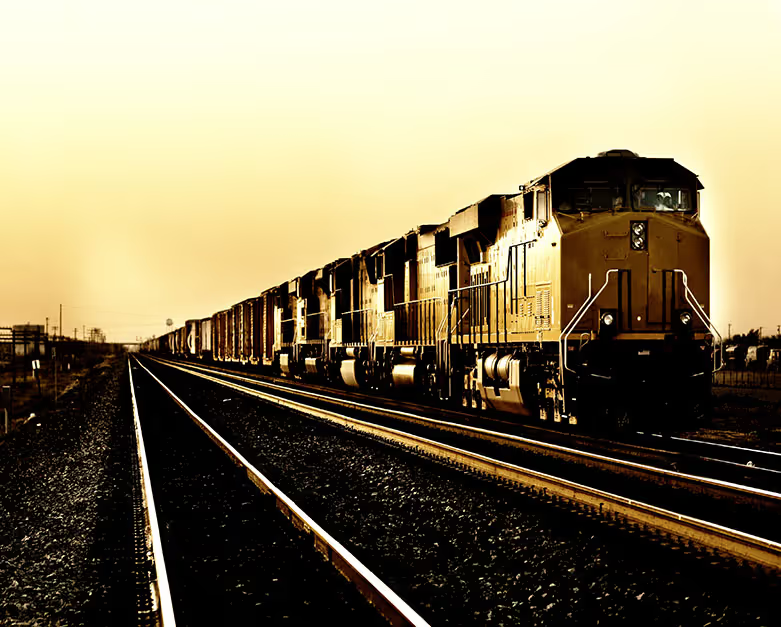
Alabama Railroad Injury Lawsuits
If you have worked in any Alabama rail yard, you may have been exposed to a silent killer: toxic materials that could drastically raise your risk of lung cancer and other serious conditions. Diesel exhaust, creosote, industrial solvents, silica dust, benzene, and asbestos have long plagued rail yards across the state, putting workers’ health at stake.
The Lyon Firm is investigating new injury claims, and we can file claims to hold negligent railroad companies accountable. If you’re a former or current rail yard worker battling cancer or respiratory illness, you deserve justice and compensation. Call us for a free consultation.
Understanding Toxic Exposure in Alabama Rail Yards
Alabama’s rail industry has been an important part of a thriving agriculture-based economy for over a hundred years. Rail yards like those operated by CSX, Norfolk Southern, and others move goods across the South, but this has come with a great cost to communities. Many former workers—conductors, engineers, machinists, trackmen, and others—faced a daily assault of hazardous fumes that the rail companies often failed to regulate adequately. These toxins are not just an annoying part of the job, they are a serious hazard that can infiltrate the lungs and bloodstream, and can develop into cancer and chronic disease years later. The following toxins are frequently found at rail yards:
- Diesel Exhaust: With nearly all locomotives running on diesel since the 1950s, fumes fill the air in poorly ventilated cabs and yards. These fumes contain benzene and ultrafine particles linked to lung, bladder, and colorectal cancers.
- Creosote: Used to preserve wooden railroad ties, this coal-tar derivative coats workers’ hands and clothes, raising risks of skin, liver, and scrotum cancers.
- Industrial Solvents: Degreasers and cleaners expose workers to chemicals like benzene, potentially causing leukemia and lung cancer.
- Silica Dust: Track maintenance disturbs ballast rock, releasing silica that scars lungs and may lead to lung cancer.
- Benzene: Found in diesel fuel and solvents, this flammable gas is a known carcinogen tied to blood cancers like leukemia.
- Asbestos: Once common in brake linings and insulation, asbestos fibers lodge in lungs, triggering mesothelioma and lung cancer.
- Pesticides: Many maintenance of way workers have been tasked with spraying weeds with herbicides and heavy chemicals on a daily basis.
These occupational hazards aren’t new. Decades of reports highlight cancer clusters among rail workers, yet many companies failed to provide proper safety training and protective gear, leaving scores of workers vulnerable.
The latency period for some related illnesses can span decades and diseases like lung cancer, mesothelioma, leukemia, and asbestosis may be advanced by the time they are discovered. Are you coughing persistently, struggling to breathe, or facing a cancer diagnosis? These could be signs of occupational exposure.
The Lyon Firm is reviewing diesel exhaust cancer claims for former railroaders who worked in the following rail yards in Alabama:
· Birmingham: Boyles Yard (CSXT)
· Birmingham: East Thomas Yard (BNSF Railway)
· Decatur: Oakworth Yard (CSXT)
· Fairfield: Ensley Yard (Birmingham Southern Railroad)
· Irondale: Norris Yard (Norfolk Southern Railway)
· Mobile: Sibert Yard (CSXT)
· Muscle Shoals: Sheffield Yard (NS)
What Can Plaintiffs Recover in Railroad Cancer Lawsuits?
The Lyon Firm can assess your individual case and determine what damages can be sought by former workers and their families. In the past, we have been able to successfully negotiate settlement packages that can include the following:
- Medical expenses (treatments, surgeries, meds)
- Lost wages (past and future)
- Pain and suffering
- Wrongful death damages for families
Our firm has settled six- and seven-figure cases nationwide, and we’re ready to do the same for injured Alabama railroad workers.
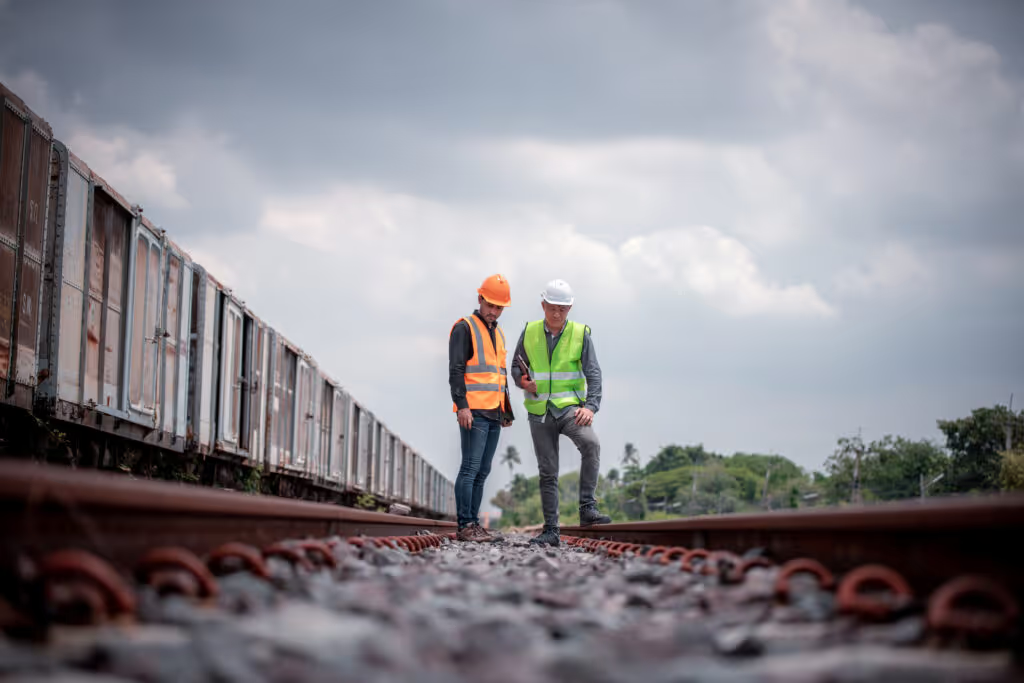
Cancers Linked to Railroad Diesel Exposure
- Lung Cancer
- Bladder Cancer
- Esophageal Cancer
- Nasopharyngeal Cancer
- Stomach Cancer
- Kidney Cancer
- Acute Myeloid Leukemia (AML)
- Myelodysplastic Syndrome (MDS)
- Acute Lymphocytic Leukemia (ALL)
- Chronic Lymphocytic Leukemia (CLL)
- Non-Hodgkin’s Lymphoma
- Multiple Myeloma
- Aplastic Anemia
- COPD (Chronic Obstructive Pulmonary Disease)
- Emphysema
- RADS (Reactive Airways Dysfunction Syndrome)
- Interstitial Lung Disease
- Pulmonary Fibrosis
Despite better oversight by NIOSH and OSHA that have improved work safety standards, there is still a high risk of toxic exposure at rail yards due to the amount of hazardous substances on site. Acute and chronic toxic exposures are still probable in many cases.
After a confirmed lung disease or cancer diagnosis, Alabama railroaders may be able to file Federal Employers Liability Act (FELA) injury claims. If more compensation is necessary to ensure a stable financial future, a personal injury lawsuit may also be considered. Contact our attorneys to discuss your legal options.
What Alabama Railroad Workers Are at Cancer Risk?
Rail yards across Alabama, including major hubs like Birmingham’s Boyles Yard (CSX), Mobile’s Cooper Marine Terminal (Norfolk Southern), and Montgomery’s Union Station have been hotspots for toxic exposure. Workers in these yards—mechanics in roundhouses, track crews handling ties, and engineers in diesel-filled cabs—breathe these hazards daily. Historical evidence suggests railroad companies knew about these risks but failed to act. They skipped proper ventilation, withheld protective equipment, and ignored warnings about carcinogens.
This negligence violates the Federal Employers Liability Act (FELA), which mandates safe working conditions for railroad employees. If your employer didn’t protect you, they’re liable—and our lawyers are prepared to prove it.
Almost any individual working day after day in a rail yard can be exposed to diesel fuel exhaust and countless other known carcinogens. Many have worked in badly ventilated roundhouses and workshops. The highest risk, however, for those working in Alabama rail yards may be for those working in the following positions:
- Conductors and engineers
- Trackmen, carmen, brakemen
- Signal operators
- Diesel mechanics
- Machinists
- Pipefitters and plumbers
- Electricians
- Welders
- Painters and maintenance crews
Why Hire The Lyon Firm?
It is critical to carefully consider your legal representation in these types of cases because you may require the best industry experts to testify on your behalf. Fighting alone is daunting—legal costs, medical bills, and lost wages can overwhelm.
We operate on contingency—you pay nothing unless we win. Our team handles the details, sparing you a complex legal battle. Worried about time or stress? We take the lead, turning your fight into a path to recovery. You might qualify if you:
- Worked at Alabama rail yards like Boyles Yard, Cooper Marine Terminal, or Union Station.
- Held roles as a conductor, engineer, machinist, trackman, or maintenance worker.
- Have been diagnosed with lung cancer, mesothelioma, leukemia, or other cancers linked to known toxins.
We have the resources, the dedication and the experience to take your case and reach a fair settlement. We guide you through the legal process and assume all financial risks.
Experienced. Compassionate. Consumer Advocates
The Lyon Firm is a Cincinnati, Ohio-based law firm, representing individuals nationwide in class action, product liability, and toxic exposure litigation.

Handling Complex Data Privacy & Cyber Security Cases
Request A Free Consultation Now

.avif)
Do I Have a Good Case?
Railroad cancer lawsuits can be pretty straightforward, and rail companies typically want to avoid high-profile, dragging litigation that can take years to resolve with a jury trial. That is why occupational cancer cases usually settle with favorable compensation packages set up for plaintiffs.
Of course each individual case is different, but if you worked at a rail yard for years and you were constantly exposed to toxic materials that have been linked to cancer in medical literature, you have a good case. Call us to review your work history and medical records, and to draw a clear connection between a toxic exposure and a related medical condition.
Alabama Railroad Cancer FAQ

- Diesel Fumes
- Benzene
- Asbestos
- Pesticides and herbicides
- Solvents
- Paints and pain thinners
- Creosote
- Silica and ballast dust
Families work hard to make ends meet and when an occupational illness makes it impossible to work any longer, compensation becomes necessary, perhaps with the help of a railroad cancer attorney.
We’re not just lawyers—we’re your advocates. With decades of experience in work injury cases, we bring the following to the table:
- Experience: we work with a network of medical and industry specialists to build your case.
- Success: Proven results in FELA claims and toxic exposure settlements.
- Commitment: We assume all financial risk, so you focus on healing and spending time with loved ones.
- Birmingham: Boyles Yard (CSXT)
- Birmingham: East Thomas Yard (BNSF Railway)
- Decatur: Oakworth Yard (CSXT)
- Fairfield: Ensley Yard (Birmingham Southern Railroad)
- Irondale: Norris Yard (Norfolk Southern Railway)
- Mobile: Sibert Yard (CSXT)
- Muscle Shoals: Sheffield Yard (NS)
Railroad Lung Cancer Lawsuits
Request a Free Consultation
Taking the first step doesn’t have to be complicated. In just a few minutes, you can share the basics of your case, and our team will guide you from there:
- It begins with a few simple questions about your situation.
- From there, a member of our legal team reviews your case.
- Together, we’ll chart the path forward, helping you take the next step toward resolution.
