

Allentown Yard Toxic Exposure | Railroad Diesel Cancer Lawsuits
Toxic Exposure Lawyer Representing Former Allentown Yard Workers


.avif)


Railroad Cancer Attorneys
Investigating diesel exhaust cancer claims on behalf of Conrail & CSX rail yard workers
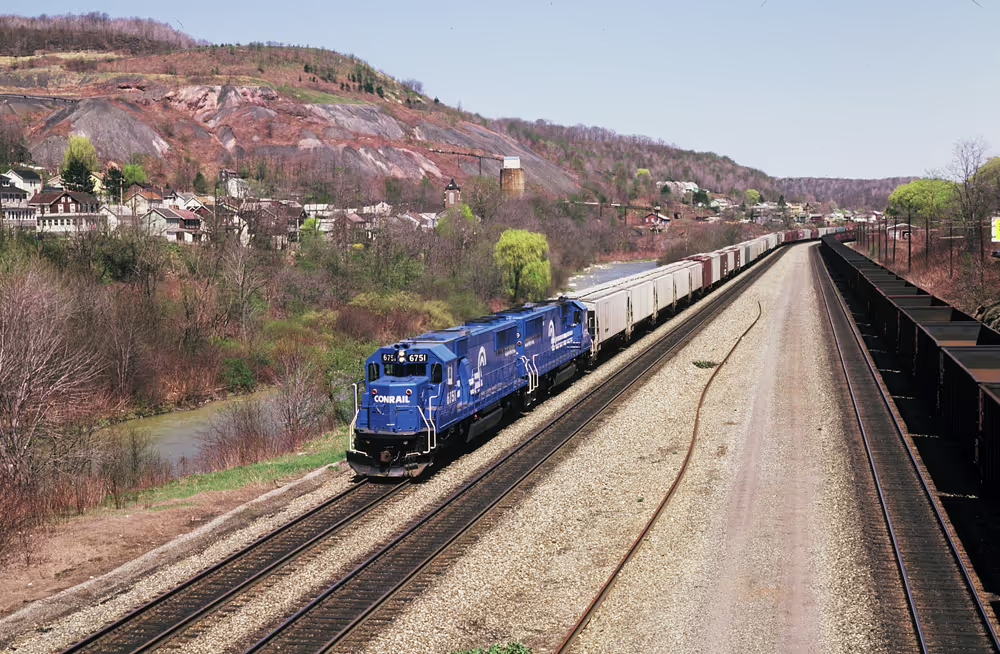
At one point in history, at the height of the American steel production era, the Allentown Yard in Allentown, Pennsylvania, was an extremely important transportation hub operated by Conrail. Eventually, Conrail operations were split up, and CSX took charge of many of the region’s railyards in the 1990s.
Throughout the decades, however, regardless of who was running the railroad companies, the workers in the field faced continual occupational exposure to numerous toxic materials, including the following:
- Creosote – coal tar pitch
- Industrial solvents
- Diesel fumes
- Asbestos
- Welding fumes
- Silica dust
- Benzene
Can Allentown Yard Workers File Diesel Exposure Lawsuits?
If you or a loved one has a history of working at rail yards operated by CSX or Conrail, and later developed a related toxic exposure cancer, you may be eligible for the following types of compensation:
- Medical Expenses: We seek for our clients full compensation and reimbursement of all hospital bills, treatment costs, surgeries, rehab sessions and medications.
- Lost Wages: Compensation packages will likely include lost earnings in the past and future in the event that a worker missed work due to illness, and may not be able to return to their workplace in the same capacity.
- Pain and Suffering: Non-material damages such as pain and suffering, emotional distress, loss of quality of life, and wrongful death can be sought.
- Punitive Damages: Some plaintiffs in lawsuits aim to not only compensate victims of toxic workplace exposure, but also to ensure that the companies responsible for the injuries are encouraged to change their work safety practices. This is achieved primarily with financial punishments, sadly sometimes the only way real changes are made.
Every railroad cancer case is different, and it is important to consult with an experienced attorney to learn more about the legal process, and how to build a strong case. We work on a contingency fee basis and when we accept cases, we assume all financial risks. Please prepare your work history documentation and medical records and we can begin processing your railroad diesel cancer claims.
Experienced. Compassionate. Consumer Advocates
The Lyon Firm is a Cincinnati, Ohio-based law firm, representing individuals nationwide in class action, product liability, and toxic exposure litigation.

Handling Complex Data Privacy & Cyber Security Cases
Request A Free Consultation Now

.avif)
Why Hire The Lyon Firm?
A diesel exhaust exposure lawyer is essential to getting you the best terms in your occupational cancer settlement or compensation package. Workers at Allentown Yard and other rail yards around the country have settled lawsuits for six and seven figures, and the success rates of such claims are quite high if you have been diagnosed with one of the following medical conditions or diesel-related cancers:
- Lung Cancer
- Bladder Cancer
- Esophageal Cancer
- Nasopharyngeal Cancer
- Stomach Cancer
- Kidney Cancer
- Acute Myeloid Leukemia (AML)
- Myelodysplastic Syndrome (MDS)
- Acute Lymphocytic Leukemia (ALL)
- Chronic Lymphocytic Leukemia (CLL)
- Non-Hodgkin’s Lymphoma
- Multiple Myeloma
- Aplastic Anemia
- COPD (Chronic Obstructive Pulmonary Disease)
- Emphysema
- RADS (Reactive Airways Dysfunction Syndrome)
- Interstitial Lung Disease
- Pulmonary Fibrosis
- Mesothelioma
- Asbestosis
Allentown Yard Cancer FAQ

Common sources of railroad toxic exposure may include asbestos, benzene, welding fumes, silica, creosote, diesel and solvents.
- Lung Cancer
- Bladder Cancer
- Esophageal Cancer
- Nasopharyngeal Cancer
- Stomach Cancer
- Kidney Cancer
- Acute Myeloid Leukemia (AML)
- Myelodysplastic Syndrome (MDS)
- Acute Lymphocytic Leukemia (ALL)
- Chronic Lymphocytic Leukemia (CLL)
- Non-Hodgkin’s Lymphoma
- Multiple Myeloma
- Aplastic Anemia
- COPD (Chronic Obstructive Pulmonary Disease)
- Emphysema
- RADS (Reactive Airways Dysfunction Syndrome)
- Interstitial Lung Disease
- Pulmonary Fibrosis
- Mesothelioma
- Asbestosis
Yes, you can still file a lawsuit even if you are no longer employed by Conrail or CSX, however, it is important to file a claim as soon as you confirm a cancer diagnosis due to a statute of limitations. Call us now to discuss your case. We offer free consults and case reviews.
Many workers wonder if they were exposed to toxins that eventually caused a cancer. Many are astonished to learn that almost everyone at a rail yard is exposed to dangerous chemicals and industrial toxins almost on a daily basis. Chronic exposure to silica, creosote, diesel and other hazardous materials will raise the risk of cancer in the future, but even a short duration of exposure can lead to serious health issues. The highest risk professions at rial yards included diesel mechanics, conductors and engineers, yardmen, trackmen, carmen, brakemen, electricians and pipefitters, and any other workers who spent a lot of time in poorly ventilated workshops.
Railroad Lung Cancer Lawsuits
Request a Free Consultation
Taking the first step doesn’t have to be complicated. In just a few minutes, you can share the basics of your case, and our team will guide you from there:
- It begins with a few simple questions about your situation.
- From there, a member of our legal team reviews your case.
- Together, we’ll chart the path forward, helping you take the next step toward resolution.
