

North Baltimore Yard Toxic Exposure | Railroad Diesel Cancer
Representing CSX Workers in Toxic Exposure Cancer Claims


.avif)


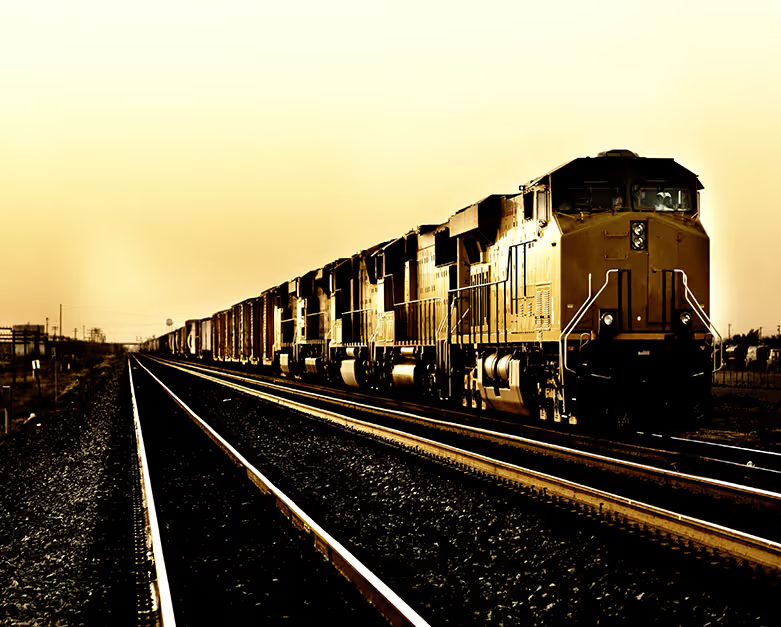
Railroad Cancer Lawyers
Reviewing new cancer cases for former CSX workers at Ohio’s North Baltimore Yard
Many former railroad employees across the nation have fallen ill after years of service, and though the causes may vary, the majority are related to toxic exposure at the rail yards in which they worked. Exposure to creosote, asbestos, industrial solvents, diesel exhaust, silica and welding fumes have all contributed to thousands of cancer cases. While these illnesses may have been preventable, the damage is now done, and victims may be able to file a personal injury lawsuit to help secure their financial future.
Many former CSX workers who have come forward with injury and cancer claims include former employees at the North Baltimore Yard in Ohio. Located between the towns of Hoytville and North Baltimore, Ohio, the CSX North Baltimore Yard opened in 2011 and services up to thirty trains per day.
Which Railroad Workers Are At High Cancer Risk?
Almost any former worker at North Baltimore or another rail yard who worked for years around locomotives, roundhouses and rail stations could be at risk of later developing specific toxic exposure cancers. Heavy industries like the railroad use huge amounts of chemicals in normal operation, and diesel locomotives emit a great deal of diesel exhaust fumes that cannot always be avoided.
Mechanics and machinists who worked in poorly ventilated rail shops have a high risk of later developing lung cancer and other occupational lung diseases. Welders, pipefitters, electricians, yardmen, brakemen, conductors and maintenance staff and engineers also have a high risk of toxic exposure at rail stations.
What Kind of Damages Can I Recover in a Diesel Exposure Lawsuit?
Contact our lawyers about your unique case, and to learn more about what compensation you can expect. In past cases, we have been able to recover the following for our clients:
- Medical Expenses: Any cost not covered by your basic health insurance can be covered by a settlement. This may include medications, cancer treatments, rehab and hospital visits.
- Lost Wages: Lost wages can be sought if a worker took time off work due to a work-related illness or injury. Plaintiffs can also file for long-term disability and the loss of future earnings if they are unable to return to the workforce in the same capacity.
- Pain and Suffering
- Punitive Damages: Many railroad companies have been sued by former workers for failing to protect them, and failing to warn them of the potential safety hazards of the job. Juries have hit these companies with large verdicts that include punitive damages, meant to discourage them from similar behavior in the future.
Experienced. Compassionate. Consumer Advocates
The Lyon Firm is a Cincinnati, Ohio-based law firm, representing individuals nationwide in class action, product liability, and toxic exposure litigation.

Handling Complex Data Privacy & Cyber Security Cases
Request A Free Consultation Now

.avif)
What Can a Diesel Cancer Lawyer Do for You?
It is prudent to hire an experienced legal team with the resources behind them to build the strongest case possible. We will assume all the complex work, including the following:
- Investigation: It will be necessary to draw a direct link from your cancer diagnosis to your past exposure to toxins at your respective workplace. This will require an investigation into the practices at your work site, and will also require experts to testify on your behalf.
- Negotiating Settlements: We have settled many toxic exposure claims, and in our experience, the railroad companies would prefer settling claims rather than go to trial and risk a massive verdict in the plaintiff’s favor.
- Litigation: If a settlement cannot be reached, we are prepared to take your case to court.
North Baltimore Yard Diesel FAQ

Common sources at rail yards may include asbestos, benzene, silica, welding fumes, diesel fumes, creosote and other industrial solvents.
- Lung Cancer
- Bladder Cancer
- Esophageal Cancer
- Nasopharyngeal Cancer
- Stomach Cancer
- Kidney Cancer
- Acute Myeloid Leukemia (AML)
- Myelodysplastic Syndrome (MDS)
- Acute Lymphocytic Leukemia (ALL)
- Chronic Lymphocytic Leukemia (CLL)
- Non-Hodgkin’s Lymphoma
- Multiple Myeloma
- Aplastic Anemia
- COPD (Chronic Obstructive Pulmonary Disease)
- Emphysema
- RADS (Reactive Airways Dysfunction Syndrome)
- Interstitial Lung Disease
- Pulmonary Fibrosis
Every employer has a duty to protect workers to the best of their ability, regardless of the industry. If they fail to properly train workers, warn them of the health risks, or fail to provide safety gear, they may be held accountable.
Our railroad cancer attorneys take on difficult workplace injury cases, and we have proven success with several six and seven figure settlements in similar toxic exposure lawsuits. We have twenty years experience, and we have the resources to get you the financial support you require.
Our legal team only needs your work history documentation and medical records and we can begin processing your claims. We assume all tasks and allow you to spend your valuable time with your family and focusing on your health.
We work with industry experts around the country to build a strong case for you, and we aim to get you the maximum compensation package available.
The North Baltimore Yard sits at over 500 acres and has hundreds of employees for the switching, loading, and unloading of intermodal trains. North Baltimore is in one of CSX’s busiest railroad subdivisions, between Chicago and major Ohio cities.
The North Baltimore Yard is part of CSX’s $850 million dollar “National Gateway Project”, which will prioritize intermodal freight. Although it is expected to create over 50,000 new jobs over the next thirty years, the expansion of railways included a public health cost. The diesel exhaust in such large rail yards has been described as toxic for any worker in the field, and many railroad workers go home at night with the unmistakable smell of diesel on their work clothes.
Railroad Lung Cancer Lawsuits
Request a Free Consultation
Taking the first step doesn’t have to be complicated. In just a few minutes, you can share the basics of your case, and our team will guide you from there:
- It begins with a few simple questions about your situation.
- From there, a member of our legal team reviews your case.
- Together, we’ll chart the path forward, helping you take the next step toward resolution.
