

Idaho Railroad Cancer Lawsuits | Diesel Exhaust Exposure
FELA Injury Lawyer Reviewing Toxic Exposure Cases & Idaho Railroad Cancer Claims


.avif)



Toxic Exposure at Idaho Railyards
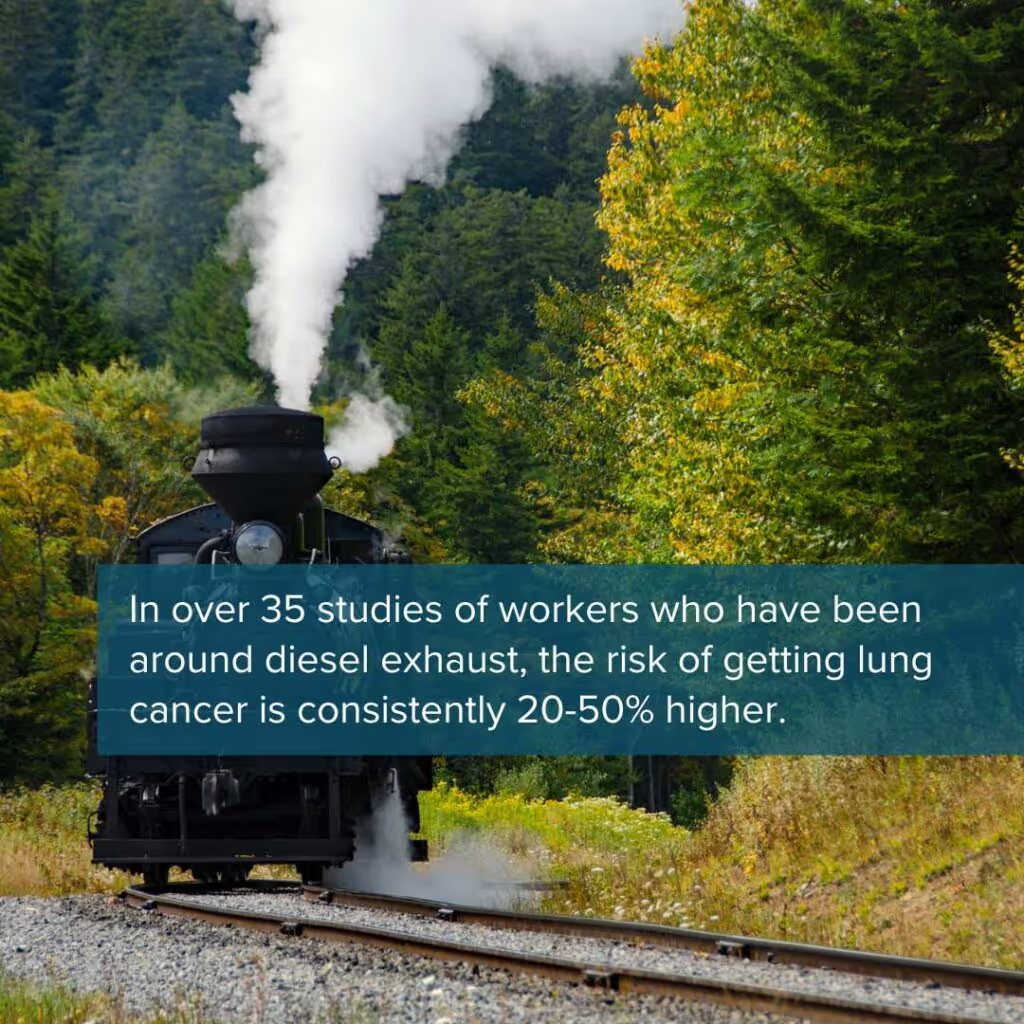
Medical studies have stressed the importance of protecting the respiratory health of all workers in the railroad industry due to the heavy presence of diesel fumes and other toxic materials. Lung cancer rates have been historically high for railroaders across the country, and while a career in the rail industry has never been considered risk-free, companies always have a duty to protect their at-risk employees with proper training and safety equipment.
Conductors, signal operators, brakemen, track maintenance crews, pipefitters, machinists, mechanics, painters, engineers and many others have faced serious toxic exposure at rail yards in Idaho and beyond. Many former railroaders have noted the ever-present odor of diesel, along with other known cancer-causing chemicals at their workplaces, like solvents, asbestos, benzene, silica, creosote, pesticides, ballast dust, fuels and welding fumes.
How Are Idaho Railroad Staff Exposed to Toxic Materials?
Nearly every worker who spends months or years at a rail yard can attest to the fact that diesel smoke is part of the job when diesel locomotives pull in and out of stations. But it is not only the diesel that plagues many workers, but a wide array of toxins known to cause cancer with chronic exposure. Benzene, for example, is a chemical in many of the paints, fuels, solvents and degreasers used in the industry.
Many maintenance of way crews develop cancers due to handling ballast (silica), pesticides and creosote-coated rail ties. Mechanics, plumbers and electricians often work in spaces insulated with asbestos, and are often poorly ventilated. Trackmen, carmen, brakemen and conductors are always around the diesel fumes, and have frequently complained of constantly going home smelling like diesel exhaust.
The Lyon Firm is reviewing diesel exhaust cancer claims for current and former railroader employees who worked in the following rail yards in Idaho:
- Bonner’s Ferry: Bonner’s Ferry Yard (UP)
- Eastport: Eastport Yard (UP/CPKC)
- Hauser: Hauser Yard (BNSF/MRL)
- Idaho Falls: Idaho Falls Yard (UP/EIRR)
- Minidoka: Minidoka Yard (UP/EIRR)
- Nampa: Nampa Yard (UP/BVRR)
- Plummer: Plummer Yard (STMA/UP)
- Pocatello: Pocatello Yard (UP
- Sandpoint: Boyer Yard (BNSF/UP/POVA)
- St Marie’s: St Marie’s Yard (STMA)
- Twin Falls: Twin Falls Yard (Eastern Idaho Railroad headquarters)
What Can Plaintiffs Recover in Railroad Cancer Lawsuits?
The Lyon Firm can help assess and build a strong case on your behalf if you have recently been diagnosed with an occupational cancer or other illness. You may qualify for the following compensation in a settlement:
- Compensation for related medical expenses not covered by your current insurance policy
- Paid expense for specialist consultations, hospital visits, surgery and treatments
- Coverage for medication and rehab
- Expenses related to follow-up therapy, long-term disability, and job training if you cannot return to the same position in the same capacity
- Lost earnings if a worker had to step away from the job due to an occupational illness or injury
- Loss of future earnings if a worker cannot return for a long duration
- Pain and suffering
- Emotional distress
- Reduced quality of life
- Wrongful death
Who is at the Highest Railroad Cancer Risk?
- Welders
- Pipefitter and boilermen maintaining or repairing boilers
- Painters
- Machinists
- Diesel mechanics
- Track maintenance staff handling pesticides, cutting creosote covered ties, and dumping ballast
- Electricians
- Engineers and conductors
- Brakemen and trackmen
What Cancers Are Linked to Diesel Exposure?
There are several occupational lung diseases and cancer with strong links to exposure to solvents, silica dust, asbestos, diesel exhaust, benzene, creosote and welding fumes, including the following:
- Lung Cancer
- Bladder Cancer
- Esophageal Cancer
- Nasopharyngeal Cancer
- Stomach Cancer
- Kidney Cancer
- Acute Myeloid Leukemia (AML)
- Myelodysplastic Syndrome (MDS)
- Acute Lymphocytic Leukemia (ALL)
- Chronic Lymphocytic Leukemia (CLL)
- Non-Hodgkin’s Lymphoma
- Multiple Myeloma
- Aplastic Anemia
- COPD (Chronic Obstructive Pulmonary Disease)
- Emphysema
- RADS (Reactive Airways Dysfunction Syndrome)
- Interstitial Lung Disease
- Pulmonary Fibrosis
Despite better oversight by NIOSH and OSHA that have improved work safety standards, there is still a high risk of toxic exposure at rail yards due to the amount of hazardous substances on site. Acute and chronic toxic exposures are still probable in many cases.
After a confirmed lung disease or cancer diagnosis, Idaho railroaders may be able to file Federal Employers Liability Act (FELA) injury claims. If more compensation is necessary to ensure a stable financial future, a personal injury lawsuit may also be considered. Contact our attorneys to discuss your legal options.
Experienced. Compassionate. Consumer Advocates
The Lyon Firm is a Cincinnati, Ohio-based law firm, representing individuals nationwide in class action, product liability, and toxic exposure litigation.

Handling Complex Data Privacy & Cyber Security Cases
Request A Free Consultation Now

.avif)
Why Hire The Lyon Firm?
Our toxic exposure lawyers have the resources and experience to take your case and assume all essential tasks until a settlement is reached. Joe Lyon has been taking on work injury and toxic exposure cases for twenty years and works with industry experts to build a strong case. We believe very strongly that every company has a duty to protect workers and follow strict safety guidelines set forth by federal standards. Any negligent corporation can be held accountable if an injury or illness occurs on their watch.
Idaho Railroad Cancer FAQ

The WHO and OSHA safety experts have noted serious concerns about several carcinogens at many rail yards, including benzene, diesel exhaust, herbicides, solvents, paints and paint thinners, creosote and coal tar pitch, adhesives, fuels, silica and ballast dust.
After many years of working for the railroad, individuals are often reticent to take legal action, even when they have serious health issues that require attention and a great deal of expense. There is no shame in filing an injury claim, as it is your legal right to seek compensation for an illness or injury sustained on the job. You may file a FELA injury claim and a separate personal injury lawsuit.
- Bonner’s Ferry: Bonner’s Ferry Yard (UP)
- Eastport: Eastport Yard (UP/CPKC)
- Hauser: Hauser Yard (BNSF/MRL)
- Idaho Falls: Idaho Falls Yard (UP/EIRR)
- Minidoka: Minidoka Yard (UP/EIRR)
- Nampa: Nampa Yard (UP/BVRR)
- Plummer: Plummer Yard (STMA/UP)
- Pocatello: Pocatello Yard (UP
- Sandpoint: Boyer Yard (BNSF/UP/POVA)
- St Marie’s: St Marie’s Yard (STMA)
- Twin Falls: Twin Falls Yard (Eastern Idaho Railroad headquarters)
Railroad Lung Cancer Lawsuits
Request a Free Consultation
Taking the first step doesn’t have to be complicated. In just a few minutes, you can share the basics of your case, and our team will guide you from there:
- It begins with a few simple questions about your situation.
- From there, a member of our legal team reviews your case.
- Together, we’ll chart the path forward, helping you take the next step toward resolution.
