

Maryland Railroad Cancer Lawsuits | Diesel Exhaust Exposure
Railroad Cancer Lawyer Filing Maryland Diesel Injury Claims


.avif)



Maryland Diesel Cancer FELA Injury Claims
Railroads have been the backbone of America’s transportation network for over a hundred years, moving goods across the country. Maryland has a rich railroad history tied to CSX, the B&O Railroad and bustling rail yards in cities like Baltimore, Cumberland, and Brunswick. The industry has employed thousands of workers as trackmen, carmen, brakemen, diesel mechanics, conductors, engineers, and maintenance staff. This vital work was steady but came with hidden dangers.
Many Maryland railroad workers have been exposed to toxic substances that can lead to devastating health issues, including lung cancer, leukemia, and mesothelioma. Contact an experienced railroad diesel exposure lawyer to discuss your legal options if you have worked at a rail yard and later have been diagnosed with an occupational cancer or related medical condition.
How are Maryland Railroad Workers Exposed to Toxic Materials?
Railroad workers at many rail yards face daily exposure to a range of hazardous substances, including diesel exhaust, solvents, pesticides, creosote, paint and paint thinners, asbestos, silica dust and benzene. The following rail yards may have presented risks to workers:
- Baltimore: Bayview Yards (CSXT and NS)
- Baltimore: Canton/Coal Yard (NS)
- Baltimore: Penn Mary Yard (CTN)
- Cumberland: Cumberland Yard (CSXT)
- Hagerstown: Hagerstown Terminal (CSXT)
Understanding the specific toxins and their health effects can help you recognize if your health problems are linked to your job. These toxins often build up over time, and their impact may not surface for years—or even decades—due to long latency periods. If you worked in a Maryland rail yard years ago and are now facing health issues, your past exposure could be the cause.
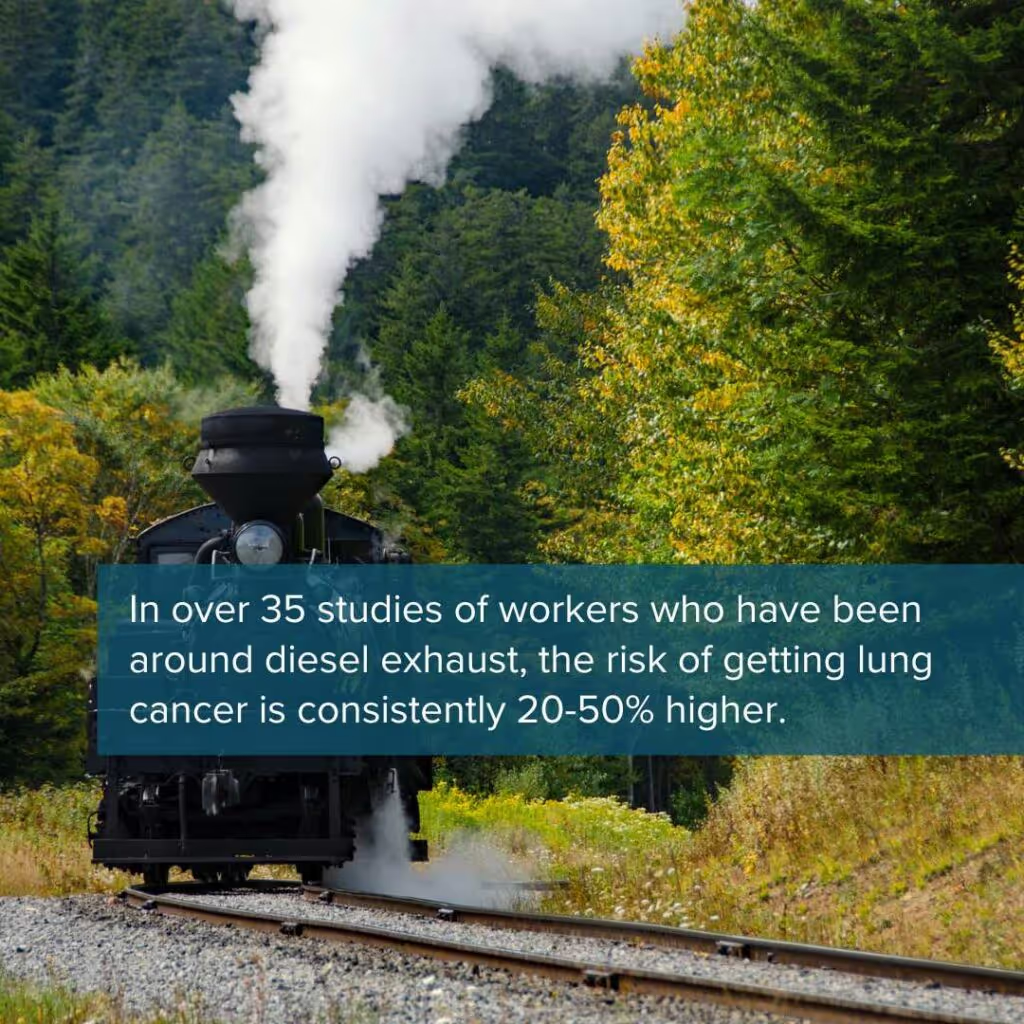
- Diesel exhaust is a constant presence in rail yards, especially from older locomotives. These fumes contain benzene, a known carcinogen, and have been linked to lung cancer, bladder cancer, and respiratory diseases. A study by the National Institute for Occupational Safety and Health (NIOSH) found that railroad workers face a higher risk of dying from lung cancer than the general population.
- To keep vegetation under control along tracks, railroads use pesticides like glyphosate. Workers who apply these chemicals or work near treated areas may be exposed, with studies associating glyphosate with non-Hodgkin lymphoma.
- Benzene is found in solvents used for cleaning and degreasing equipment. Inhaling or touching benzene can lead to leukemia and other blood disorders, making it a significant risk for rail workers.
- Asbestos was once common in the railroad industry, used in insulation, brake linings, and other components. When disturbed, asbestos releases fibers that, when inhaled, can cause mesothelioma, lung cancer, and asbestosis. Even today, older equipment and buildings in Maryland rail yards may still harbor asbestos.
- Handling ballast rock or sanding tasks generates silica dust. Breathing in this dust can lead to silicosis—a debilitating lung disease—and increase lung cancer risk, posing a threat to workers in maintenance roles.
- Solvents, used for cleaning and degreasing, often contain volatile organic compounds (VOCs). These chemicals can cause neurological damage, liver and kidney issues, and even cancer with prolonged exposure.
- Creosote, a wood preservative for railroad ties, contains carcinogenic polycyclic aromatic hydrocarbons (PAHs). Workers handling or working near treated ties can be exposed through skin contact or inhalation, raising their cancer risk.
What are some High-risk Rail Yard Tasks?
- Working around diesel exhaust and other toxic materials
- Welding on machinery or track components, aluminum or stainless steel
- Maintaining or repairing boilers
- Painting rail cars, and removing paint
- Air arcing/plasma cutting
- Metal grinding on manganese and rail
- Burning materials, including toxic fuels
- Handling and cutting creosote covered ties
- Dumping ballast
- Working in tunnels filled with diesel fumes
- Demolishing old buildings that may contain asbestos
- Using degreasers, adhesives, solvents and other industrial chemicals
- Plumbing and pipefitting
- Electrical work
- Handling pesticides
What Cancers Are Linked to Diesel Exposure?
There are numerous occupational illnesses that have strong links to exposure to solvents, silica dust, asbestos, diesel exhaust, benzene, creosote and welding fumes, including the following medical conditions:
- Lung Cancer
- Bladder Cancer
- Esophageal Cancer
- Nasopharyngeal Cancer
- Stomach Cancer
- Kidney Cancer
- Acute Myeloid Leukemia (AML)
- Myelodysplastic Syndrome (MDS)
- Acute Lymphocytic Leukemia (ALL)
- Chronic Lymphocytic Leukemia (CLL)
- Non-Hodgkin’s Lymphoma
- Multiple Myeloma
- Aplastic Anemia
- COPD (Chronic Obstructive Pulmonary Disease)
- Emphysema
- RADS (Reactive Airways Dysfunction Syndrome)
- Interstitial Lung Disease
- Pulmonary Fibrosis
If you’ve been diagnosed with a disease tied to toxic exposure in a Maryland rail yard, you may have a legal path forward under the Federal Employers Liability Act (FELA). Contact a FELA lawyer to discuss your options. Unlike workers’ compensation, which doesn’t require proving fault, FELA allows railroad workers to sue their employers for injuries caused by negligence. To win a FELA case, you’ll need to show that the railroad failed to provide a safe workplace—perhaps by not offering proper protective gear, adequate ventilation, or training on handling hazardous materials.
The burden of proof lies with you, the worker, but FELA’s standard is lower than in typical personal injury cases. You only need to demonstrate that the railroad’s negligence contributed, even slightly, to your illness. For example, if a railroad didn’t provide respirators in areas with heavy diesel fumes or silica dust, that could be grounds for a claim.
Which Maryland Railroad Workers Are at Cancer Risk?
In 2019, a Maryland rail worker won a $2.5 million settlement after developing lung cancer from diesel exhaust exposure. The court ruled that the railroad neglected to ensure proper ventilation, proving negligence under FELA. The highest risk for those working in Maryland rail yards may be for those working in the following positions:
- Conductors and engineers
- Trackmen, carmen, brakemen
- Signal operators
- Diesel mechanics
- Machinists
- Pipefitters and plumbers
- Electricians
- Welders
- Painters and maintenance crews
Experienced. Compassionate. Consumer Advocates
The Lyon Firm is a Cincinnati, Ohio-based law firm, representing individuals nationwide in class action, product liability, and toxic exposure litigation.

Handling Complex Data Privacy & Cyber Security Cases
Request A Free Consultation Now

.avif)
Why Hire The Lyon Firm?
The Lyon Firm can assess your situation, explain your rights, and guide you through the process. We offer free consultations and work on contingency, meaning our attorneys only get paid if you win. With the three-year limit under FELA, time is critical. Even if your exposure was decades ago, our lawyers can help determine when the statute of limitations began.
You don’t have to face this alone. Railroad work is tough, and the risks are real—but so are your options. Our lawyers who focus on railroad toxic exposure cases understand the science and the law, and we are ready to fight for you.
The emotional and financial toll of a diagnosis like cancer can be overwhelming. A lawsuit won’t undo the damage, but it can provide compensation for medical bills, lost wages, and pain and suffering. More importantly, it holds railroads accountable for putting workers at risk.
Maryland Railroad Cancer FAQ

- Solvents
- Asbestos
- Paints and paint thinners
- Ballast rock, silica dust
- Pesticides
- Benzene
- Diesel fumes
- Baltimore: Bayview Yards (CSXT and NS)
- Baltimore: Canton/Coal Yard (NS)
- Baltimore: Penn Mary Yard (CTN)
- Cumberland: Cumberland Yard (CSXT)
- Hagerstown: Hagerstown Terminal (CSXT)
Railroad Lung Cancer Lawsuits
Request a Free Consultation
Taking the first step doesn’t have to be complicated. In just a few minutes, you can share the basics of your case, and our team will guide you from there:
- It begins with a few simple questions about your situation.
- From there, a member of our legal team reviews your case.
- Together, we’ll chart the path forward, helping you take the next step toward resolution.
