

Minnesota Railroad Cancer Lawsuits | Diesel Exhaust Exposure
FELA Injury Lawyer Filing Minnesota Railroad Cancer Claims


.avif)



Minnesota Railroad Toxic Exposure
Minnesota railroad workers have faced acute and chronic exposure to numerous toxins at the workplace; namely exposure to diesel exhaust, welding fumes, asbestos, ballast silica dust, creosote, pesticides, solvents and benzene.
As a result of occupational toxic exposure, many railroaders across the country have fallen ill with related cancers and lung diseases such as COPD, diesel asthma, emphysema, lung cancer, AML and mesothelioma. Contact a FELA lawyer or toxic exposure attorney to begin filing the necessary claims after a confirmed occupational cancer diagnosis.
What Minnesota Railroad Workers Are at Cancer Risk?
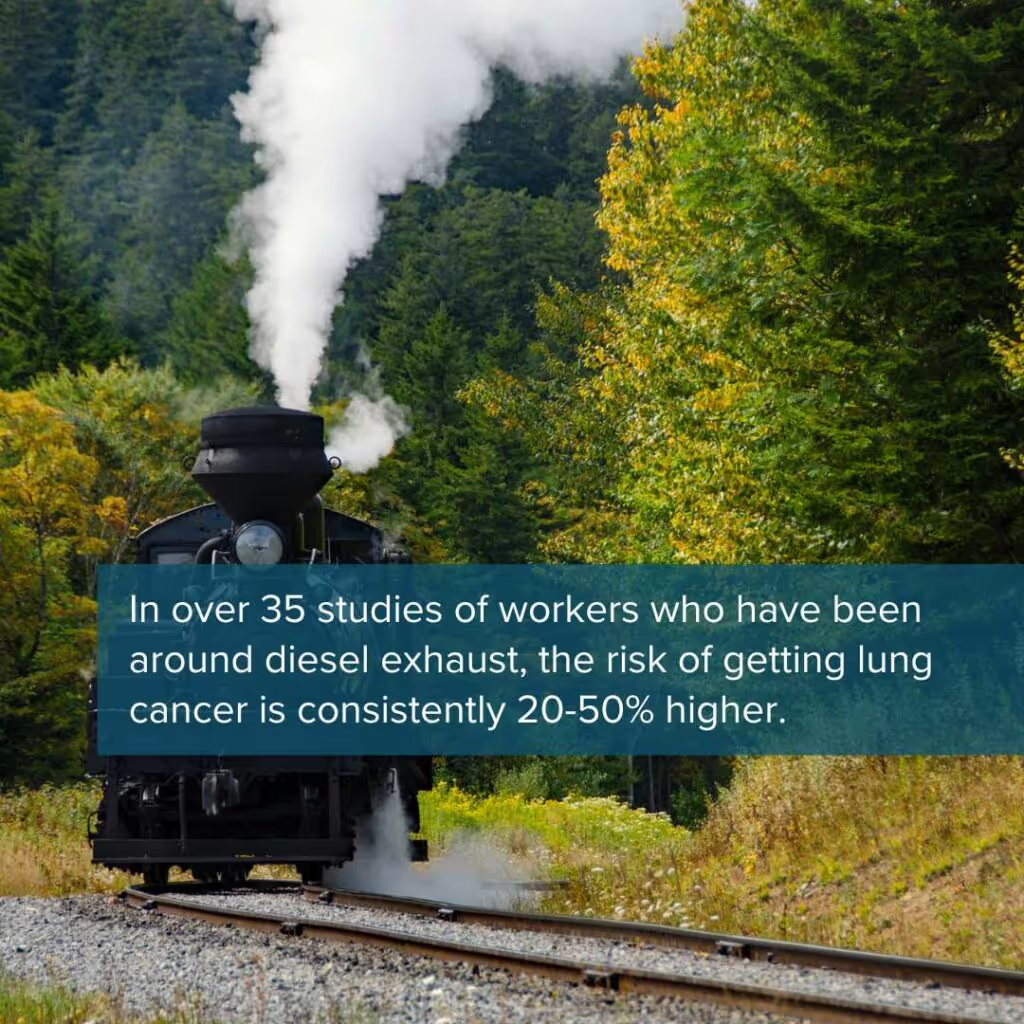
Almost every worker in the railroad industry has faced some level of toxic exposure due to the fact that rail companies have always used heavy solvents, and other carcinogenic materials at rail yards. The diesel locomotives themselves present a serious risk with the huge amounts of diesel exhaust expelled each day in operation.
Many workers at rail yards were regularly performing tasks in poorly ventilated workshops or roundhouses, which may have been filled with toxic fumes from welding, machining, cleaning parts or building machinery. Many diesel mechanics used industrial solvents and degreasers each day, exposing themselves to high levels of benzene, which is known to cause AML and other forms of leukemia.
Pipefitters and plumbers, electricians, boiler maintenance crews and those who worked on the brake linings of trains may have been at risk of asbestos exposure, which was used in insulating some train components and in several buildings on site.
Track maintenance crews and maintenance of way workers at Minnesota railroad workplaces have been tasked with using toxic herbicides, pesticides, and handling creosote rail ties, as well as laying and moving ballast rock that could contain silica dust.
Some conductors, engineers and brakemen have been exposed to diesel fumes for much of their career, and have later developed serious medical conditions like AML and lung cancer. A number of other cancers and lung diseases have been linked in medical studies to railroad diesel exposure, including the following:
- Lung Cancer
- Colorectal Cancer
- Bladder Cancer
- Esophageal Cancer
- Nasopharyngeal Cancer
- Stomach Cancer
- Kidney Cancer
- Acute Myeloid Leukemia (AML)
- Myelodysplastic Syndrome (MDS)
- Acute Lymphocytic Leukemia (ALL)
- Chronic Lymphocytic Leukemia (CLL)
- Non-Hodgkin’s Lymphoma (NHL)
- Multiple Myeloma
- Aplastic Anemia
- COPD (Chronic Obstructive Pulmonary Disease)
- Emphysema
- RADS (Reactive Airways Dysfunction Syndrome)
- Interstitial Lung Disease
- Pulmonary Fibrosis
- Mesothelioma
- Asbestosis
Who Can File a Minnesota Railroad Cancer Lawsuit?
Families and individuals who spent years working for a Minnesota Railroad company or large railway corporation like CSX, CPKC, Union Pacific, BNSF, Canadian Pacific or Progressive Rail, and later falls ill with an occupational cancer or injury, can elect to take legal action.
It is critical to hire an experienced FELA attorney and railroad cancer lawyer as soon as you learn of a medical issue related to work at a rail yard. Collect your medical records and work history documentation and contact our diesel exposure lawyers as soon as possible.
What Kind of Settlement Can Railroad Workers Expect?
An experienced Minnesota railroad cancer lawyer can negotiate on your behalf and may be able to recover the following damages for you and your loved ones:
- Lost Wages: When a worker is forced to leave their job due to an injury or illness suffered at the workplace, they require full compensation for lost wages in the past, present and future. Our firm also seeks damages for new job training should you not be able to return to the workplace in the same capacity.
- Medical Expenses: All work injury and occupational illness-related hospital bills, medications, treatments, consultations, and rehabilitation programs can be covered if your health insurance will not pay the full amount due.
- Non-material Damages: We seek compensation for pain and suffering, emotional distress, reduced quality of life, and loss of companionship in some cases.
Which Minnesota Rail Yards Present Cancer Risks for Workers?
- Dilworth: Dilworth Yard
- Duluth: Proctor Yard
- Duluth: Rice’s Point Yard
- Minneapolis: Humboldt Yard
- Minneapolis: Northtown Yard
- Minneapolis: Shoreham Yards
- Northfield: Northfield Yard
- Ranier: Ranier Yard
- Paul: Midway Yard (Minnesota Commercial)
- Paul: Pig’s Eye Yard
- Paul: Hoffman Yard
- Shakopee: Valley Park Yard
- South St. Paul: South St. Paul Yard
- Virginia: Virginia Yard
- Waseca: Waseca Yard
Experienced. Compassionate. Consumer Advocates
The Lyon Firm is a Cincinnati, Ohio-based law firm, representing individuals nationwide in class action, product liability, and toxic exposure litigation.

Handling Complex Data Privacy & Cyber Security Cases
Request A Free Consultation Now

.avif)
Which Minnesota Railroad Workers Are at Increased Risk?
Almost any individual working day after day in a rail yard can be exposed to benzene, silica, and diesel exhaust and countless other known cancer-causing materials. Many have worked in badly ventilated roundhouses and workshops. The highest risk, however, for those working in Minnesota rail yards may be for the following positions:
- Conductors and engineers
- Trackmen, carmen, brakemen
- Signal operators
- Diesel mechanics
- Machinists
- Pipefitters and plumbers
- Electricians
- Welders
- Painters and maintenance crews
- Maintenance of way staff
Minnesota Railroad Injury FAQ

Our FELA railroad injury lawyers and diesel cancer attorneys have twenty years of experience in filing workplace toxic exposure lawsuits against negligent corporations. When a company fails to protect workers and provide a safe work environment, our legal team fights for your rights and for rightful compensation when employees fall ill due to occupational toxic exposure.
Joe Lyon has the resources, the experience and the willingness to take on large corporations when workers are injured and require significant help to ensure a healthier and more financially stable future. We assume all tasks related to your claim and build the strongest case possible with the assistance of industry experts. All cases are accepted on a contingency fee basis and we accept all financial responsibility for legal costs.
- Diesel Exhaust
- Benzene
- Silica (ballast rock)
- Asbestos
- Pesticides and herbicides
- Welding Fumes
- Creosote and Coat Tar Pitch
- Industrial Solvents
- Dilworth: Dilworth Yard
- Duluth: Proctor Yard
- Duluth: Rice’s Point Yard
- Minneapolis: Humboldt Yard
- Minneapolis: Northtown Yard
- Minneapolis: Shoreham Yards
- Northfield: Northfield Yard
- Ranier: Ranier Yard
- Paul: Midway Yard (Minnesota Commercial)
- Paul: Pig’s Eye Yard
- Paul: Hoffman Yard
- Shakopee: Valley Park Yard
- South St. Paul: South St. Paul Yard
- Virginia: Virginia Yard
- Waseca: Waseca Yard
Railroad Lung Cancer Lawsuits
Request a Free Consultation
Taking the first step doesn’t have to be complicated. In just a few minutes, you can share the basics of your case, and our team will guide you from there:
- It begins with a few simple questions about your situation.
- From there, a member of our legal team reviews your case.
- Together, we’ll chart the path forward, helping you take the next step toward resolution.
