

West Virginia Railroad Toxic Exposure Lawsuits
Railroad Toxic Exposure Lawyer Filing West Virginia Occupational Cancer Claims


.avif)


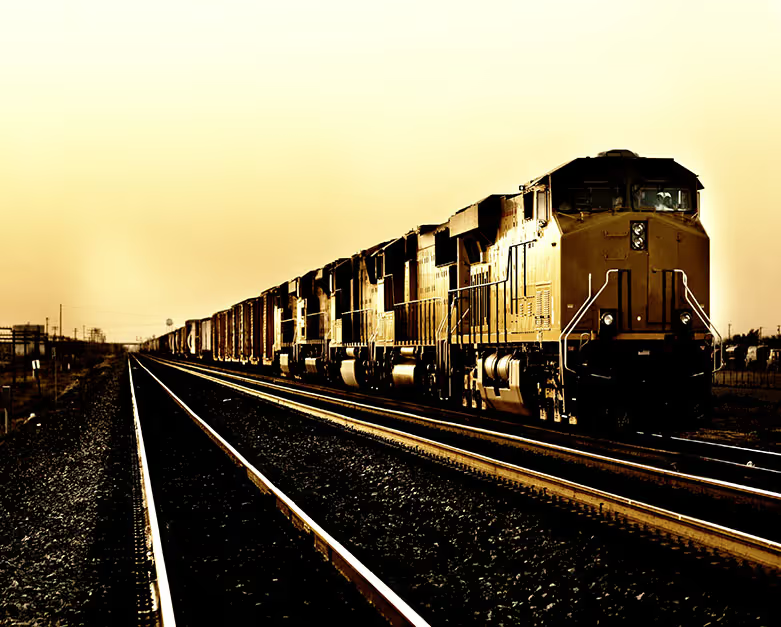
Diesel Exhaust Exposure Attorney
The Railroad Cancer Lawyers at the Lyon Firm are investigating toxic exposure claims on behalf of former railroad workers in West Virginia and nationwide who have been diagnosed with an occupational illness. Thousands of railroad staffers are injured and fall ill every year, and several work injury cases involve chronic exposure to diesel exhaust, solvents, silica ballast dust, welding fumes, creosote, asbestos and other hazardous materials at rail yards.
Almost anyone who spends years in a position at a West Virginia rail yard could be exposed to any number of carcinogens used by the railroads. Certain rail yard jobs are known to be at a higher health risk, including conductors and engineers, maintenance of way and track repair workers, pipefitters, electricians, signal operators, as well as machinists and diesel mechanics. Any West Virginia Railroad worker with a confirmed cancer diagnosis should contact a toxic exposure attorney to discuss the next steps.
What Railroad Cancers Are Linked to Diesel Exposure?
One of the components of diesel fuel is benzene, a known cancer-causing agent linked to numerous serious medical conditions. Other toxic substances at rail yards also have close associations with the following occupational illnesses and cancer:
- Lung Cancer
- Laryngeal Cancer
- Bladder Cancer
- Kidney Cancer
- Stomach Cancer
- Colorectal Cancer
- Acute Myeloid Leukemia (AML)
- Myelodysplastic Syndrome (MDS)
- Non-Hodgkin’s Lymphoma (NHL)
- Multiple Myeloma (MM)
- Mesothelioma & Asbestosis
- Diesel Asthma
- Chronic Obstructive Pulmonary Disease (COPD)
- Reactive Airway Disease (RADS)
- Pulmonary Fibrosis
- Emphysema
- Toxic Encephalopathy
- Parkinson’s Disease
Which West Virginia Rail Yards may have put Workers at Risk?
Major rail companies like CSX, Norfolk Southern and others operate railyards in the state, and play an important part in major resource transport out of the region. The following railyards may have put some West Virginia railroad workers at risk of diesel fuel exposure:
- Grafton Yard
- Keyser Yard
- Charleston Yard
- Huntington Yard
- Logan Yard
- Parkersburg Yard
- Bluefield Yard
- Prichard Yard
- Williamson Yard
Do Railroad Workers Face Increased Cancer Risks?
In many cases, serious health risks are part of the job at any railyard. There are several toxic materials present at railyards, including solvents, ballast rock dust, creosote, benzene, asbestos, welding fumes and diesel exhaust. Each chemical and toxin present their own set of serious health and safety risks.
Railroad employees who work in small workshops and roundhouses, such as diesel mechanics, welders, machinists, pipefitters, and electricians, may be at an increased risk due to a poorly ventilated work environment. Diesel and welding fumes and asbestos can make these positions particularly hazardous.
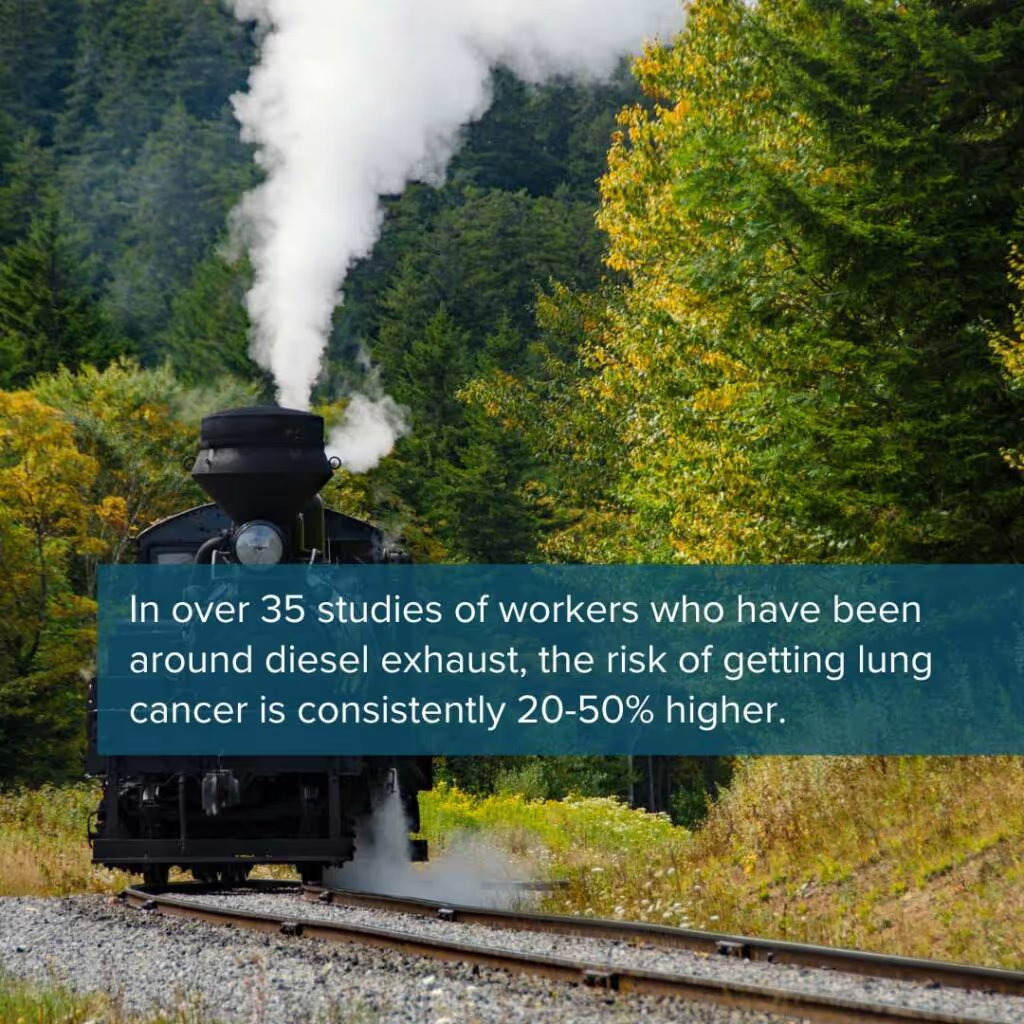
Conductors, brakemen, engineers, carmen, and signal operators are among railroad staff with the highest risk of acute and chronic diesel exposure. Diesel locomotive engines burn hundreds of gallons of diesel fuel when running from yard to yard and there has really never been any effective way to protect workers from the fumes, despite an overhaul of work safety standards by OSHA and NIOSH in the 1990s.
Silica dust is another common toxin found along railroad lines due to the fact that much of the track ballast rock contains silica. When trackmen and maintenance of way workers smooth out the rock or repair tracks, the ballast is disturbed and the toxic dust can easily be inhaled by employees. Creosote is another serious concern for these workers, as the tarry substance covers much of the track they handle. Pesticides have also been known to lead to the development of certain cancers.
Why File a Railroad Cancer Lawsuit?
Each FELA railroad injury case we handle will be different, and a compensation package will depend largely on your work history and medical diagnosis. A typical railroad cancer settlement can include the following:
- Compensation for lost wages and future earnings
- Coverage for any medical costs that cannot be billed to your standard health insurance
- Paid treatments, medications, surgeries and consultations related to any job-related illness
- Long-term disability, job trainings and rehab
- Compensation for a reduced quality of life, pain and suffering, emotional distress, and other non-economic damages
West Virginia railroad workers who are injured on the job or develop an occupational illness that precludes them from continuing to work in the same capacity can apply for compensation claims under the Federal Employers Liability Act (FELA). This process is similar to workers’ comp claims but is industry specific and allows impacted railroad workers to file work injury claims against a negligent employer or a third-party manufacturer responsible for any toxic workplace exposure.
FELA, however, does not automatically hold employers liable for occupational illnesses or work-related injuries, and an attorney is often necessary to file a good claim. Separate personal injury lawsuits may also be necessary if the FELA compensation package is not sufficient. Our railroad injury lawyers aim to compensate West Virginia rail workers for both economic and non-material losses.
Experienced. Compassionate. Consumer Advocates
The Lyon Firm is a Cincinnati, Ohio-based law firm, representing individuals nationwide in class action, product liability, and toxic exposure litigation.

Handling Complex Data Privacy & Cyber Security Cases
Request A Free Consultation Now

.avif)
Why Hire The Lyon Firm?
It is critical to choose the best attorney to represent you and your family when your future financial stability is at stake. Joe Lyon has two decades of experience in the field of workplace toxic exposure litigation, and works with some of the top experts in the industry. We have the resources, experience and willingness to take difficult railroad cancer cases and negotiate on your behalf for a fair settlement.
West Virginia Railroad Cancer FAQ

Railroad safety experts have noted that there are health concerns around exposure to solvents, silica ballast dust, asbestos, welding fumes, creosote, diesel fumes and the following benzene-containing products:
- Varsol (mineral spirit)
- Liquid Wrench (penetrating solvent)
- Safety-Kleen Parts Washer
- Safety-Kleen Solvent
- Gasket adhesives and glues
- CRC Brake and Carb Cleaners
- Gasoline
- Cutting fluids
- Lubricants
- Paints and paint thinners
- Grafton Yard
- Keyser Yard
- Charleston Yard
- Huntington Yard
- Logan Yard
- Parkersburg Yard
- Bluefield Yard
- Prichard Yard
- Williamson Yard
Railroad Lung Cancer Lawsuits
Request a Free Consultation
Taking the first step doesn’t have to be complicated. In just a few minutes, you can share the basics of your case, and our team will guide you from there:
- It begins with a few simple questions about your situation.
- From there, a member of our legal team reviews your case.
- Together, we’ll chart the path forward, helping you take the next step toward resolution.
