

Calhio Chemical Asbestos Exposure | Legal Rights & Remedies
Mesothelioma & Lung Cancer


.avif)


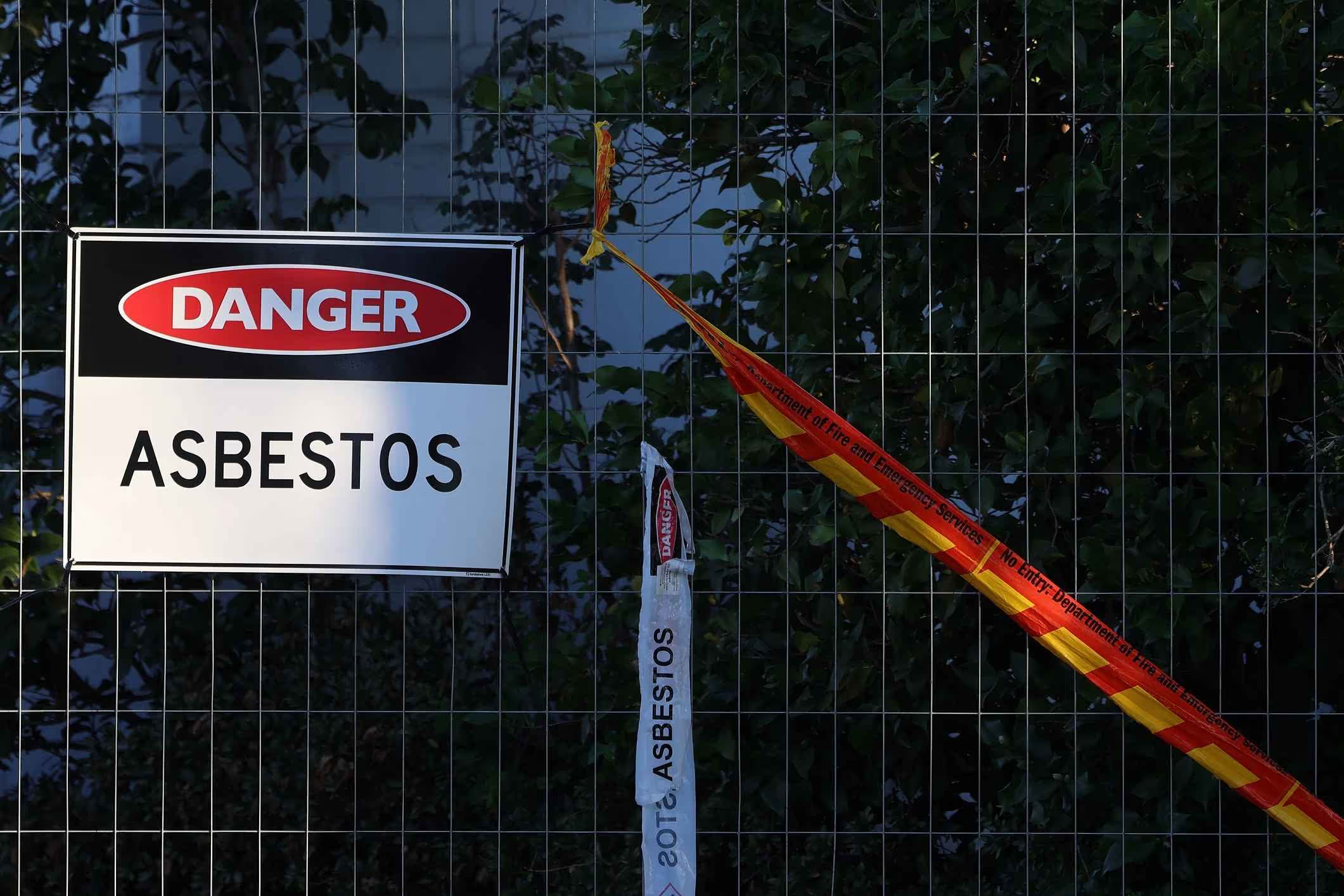
Asbestos Cancer Attorney
For decades, chemical manufacturing relied on high-heat operations, corrosive streams, and pressurized systems. Asbestos was widely used because it resists heat and chemicals and provides durable insulation. In plants across the U.S., asbestos was found in pipe and tank insulation (lagging), boiler and turbine insulation, pump and valve packing, gaskets and flange materials, heat-resistant textiles, and building materials (ceilings, flooring, fireproofing).
Numerous industry overviews document that chemical-plant workers—operators, maintenance mechanics, insulators, electricians, and contractors—faced elevated asbestos risks in those eras
Representing Calhio Chemicals Plant Workers at Increased Risk for Mesothelioma & Lung Cancer
If you have ever worked in chemical plants, you may be at risk of developing an asbestos-related disease, such as asbestosis, lung cancer or mesothelioma. There are numerous health hazards associated with employment at a chemical production facility, and the presence of asbestos materials at the plant is a continual danger. Calhio Chemicals in Perry, Ohio was no exception.
Asbestos was so commonly used in the chemical industry because it is very effective industrial insulator. The material is durable, cheap and highly resistant to heat and fire. As a result, many Calhio Chemicals plant employees may have been exposed to such toxic asbestos materials, leading to serious illnesses like mesothelioma.
Calhio Chemical’s Industrial Hazards
Historical records further show that Calhio Chemicals, Inc. underwent federal health-hazard evaluations in the mid-1970s related to process chemicals (not asbestos), following worker complaints and an on-site fatality. While those NIOSH reports concern different toxicants, they underscore the plant’s industrial risk profile and the likelihood that varied legacy materials—including asbestos-containing components typical of the period—were present somewhere in the facility’s infrastructure.
Health Consequences Tied to Asbestos
Inhaled asbestos fibers are linked to mesothelioma, asbestos-related lung cancer, and asbestosis. These diseases feature long latency—often 20–50 years—so a diagnosis today can trace back to exposures decades ago. Anyone who worked at or routinely maintained equipment at a mid-century chemical plant should inform their physicians about possible asbestos exposure to ensure appropriate screening and specialist referrals. Authoritative public-health sources describe asbestos as a group of carcinogenic silicate minerals with well-established respiratory risks. ATSDR
Building a legal claim
A viable asbestos case typically requires: (1) a qualifying diagnosis; (2) evidence of exposure (e.g., job duties, maintenance tasks, products handled, witnesses, records); and (3) identification of responsible companies—product manufacturers, contractors, or premises owners. Because asbestos was embedded in many third-party products (insulation, gaskets, packing), claims often proceed against product manufacturers and asbestos bankruptcy trusts rather than solely against the plant operator. National and Ohio-focused asbestos resources explain how chemical-plant exposures have been litigated and compensated through settlements, verdicts, and trust claims.
If you worked at Calhio Chemical—or as a contractor servicing its pipes, boilers, pumps, reactors, or HVAC—consider the following steps:
- Medical documentation: Obtain and preserve pathology reports, imaging, and physician notes that confirm an asbestos-related diagnosis.
- Exposure history: Write a timeline of departments, job titles, equipment worked on, shutdown/turnaround periods, and co-workers who can attest to dusty insulation or gasket work.
- Product identification: Note brand names of insulation, gaskets, packing, or refractory materials used; old maintenance manuals and purchase records can help link exposure to specific manufacturers.
- Legal consultation: Speak with counsel experienced in Ohio asbestos litigation and national trust claims; they can coordinate expert testimony and product-identification research and advise on statutes of limitation and venue strategy. Ohio-specific guides emphasize the value of local experience paired with national reach.
Experienced. Compassionate. Consumer Advocates
The Lyon Firm is a Cincinnati, Ohio-based law firm, representing individuals nationwide in class action, product liability, and toxic exposure litigation.

.avif)
Why are these cases important?
Many experience asbestos exposure through the workplace. Workplaces may have been filled with toxic materials, and employers may have failed to warn of the serious health risks of the job. Filing a suit helps to raise the awareness of job safety.
Asbestos Lawsuits
Request a Free Consultation
Taking the first step doesn’t have to be complicated. In just a few minutes, you can share the basics of your case, and our team will guide you from there:
- It begins with a few simple questions about your situation.
- From there, a member of our legal team reviews your case.
- Together, we’ll chart the path forward, helping you take the next step toward resolution.
