

Carnegie Illinois Steel Asbestos Exposure
Mesothelioma & Lung Cancer


.avif)


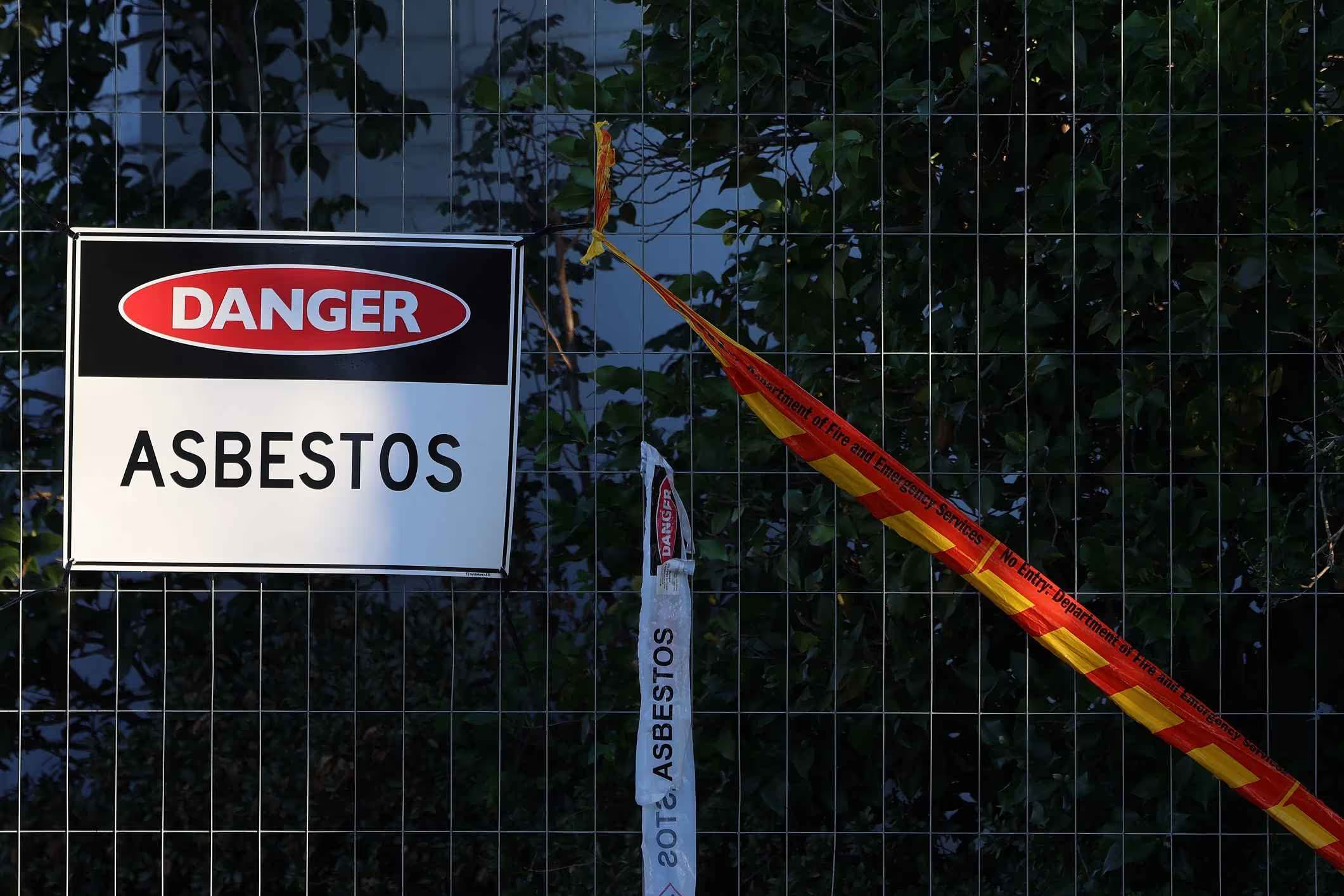
Asbestos Lawyers
Representing Carnegie Illinois Steel Workers with Mesothelioma & Asbestos Cancer Claims
For much of the 20th century, Carnegie Illinois Steel Works—once the steelmaking arm of U.S. Steel—operated massive production facilities across Pennsylvania and the Midwest. These plants were the backbone of America’s industrial rise, producing steel for bridges, railroads, skyscrapers, and wartime needs. However, the same facilities that built the nation also exposed thousands of workers to toxic asbestos. Today, many former steelworkers and their families are facing devastating illnesses such as mesothelioma, lung cancer, and asbestosis as a result of those exposures.
Asbestos in the Steel Industry
Steelmaking is a high-temperature, heavy-equipment process. From blast furnaces to open-hearths to rolling mills, nearly every stage of production involved intense heat and fire risk. Asbestos was once considered indispensable because it resisted fire, insulated extreme heat, and protected machinery from breakdown.
At Carnegie Illinois Steel Works plants, asbestos likely appeared in:
- Furnace and oven linings: Blast furnaces and coke ovens were insulated with asbestos firebrick and refractory materials.
- Pipe and boiler insulation: Steam pipes, boilers, and hot-water systems were wrapped in asbestos lagging.
- Machinery components: Pumps, turbines, compressors, and valves relied on asbestos gaskets and packing.
- Protective clothing: Workers wore asbestos gloves, jackets, and aprons to shield against molten metal splashes.
- Buildings and infrastructure: Asbestos was embedded in ceiling tiles, cement, drywall, and roofing around the mills.
For decades, these materials were handled daily by maintenance crews, insulators, machinists, pipefitters, and steelworkers on the production line. When cut, removed, or damaged, asbestos fibers became airborne—an invisible but deadly hazard.
The fibers from asbestos can be lodged in the lungs, which can cause permanent damage, and in some cases, tumors. Inhaled asbestos fibers can directly cause cancer and other disorders, including mesothelioma.
Nearly any worker in a steel works could be at risk of developing serious health issues, including asbestosis, lung cancer, and mesothelioma.
Joe Lyon is a highly-rated Asbestos Lawyer representing plaintiffs nationwide in a wide variety of toxic tort and mesothelioma claims. The Firm can investigate any toxic exposure issue for Carnegie Illinois Steel workers and accepts cases on contingency fees to eliminate any financial risk for the families we represent.
How Workers Were Exposed
Asbestos exposure in Carnegie Illinois plants could occur during:
- Maintenance shutdowns: Insulation was stripped from furnaces and pipes, creating heavy dust clouds.
- Repairs on machinery: Gaskets and packing were scraped off valves and pumps, releasing fibers.
- Demolition and renovations: Older sections of the plants contained deteriorating asbestos materials that crumbled easily.
- Everyday presence: Even workers not directly handling insulation could inhale fibers circulating through the mills.
Family members were also at risk. Workers often came home covered in dust, unknowingly bringing asbestos fibers on clothing, shoes, and hair. This “secondary exposure” has been linked to mesothelioma cases in spouses and children.
Health Effects of Asbestos
The dangers of asbestos were not widely acknowledged until the mid-20th century, despite early medical studies suggesting harm. By the time the Carnegie Illinois mills were at peak production in the 1940s–1960s, thousands of workers had already been exposed.
Asbestos fibers lodge deep in the lungs when inhaled, where the body cannot remove them. Over time, this can cause:
- Mesothelioma: A rare, aggressive cancer of the lung or abdominal lining.
- Lung cancer: Particularly dangerous for workers who also smoked.
- Asbestosis: Scarring of lung tissue that restricts breathing.
- Other respiratory conditions: Chronic cough, chest pain, and pleural plaques.
These illnesses can take 20 to 50 years to appear, which means many former Carnegie Illinois workers are only now receiving diagnoses.
Corporate Responsibility
Carnegie Illinois Steel was reorganized into U.S. Steel in the 1930s, consolidating its assets under one of the largest corporations in the world. Historical evidence suggests that asbestos manufacturers and many industrial employers, including steel companies, were aware of health risks long before warnings were shared with workers.
Despite this knowledge, asbestos continued to be used in steel mills for decades. Workers were rarely given protective respirators or training about the dangers. Today, U.S. Steel and the companies that supplied asbestos materials have faced lawsuits and trust fund claims from workers harmed by exposure.
Experienced. Compassionate. Consumer Advocates
The Lyon Firm is a Cincinnati, Ohio-based law firm, representing individuals nationwide in class action, product liability, and toxic exposure litigation.

.avif)
Legal Options for Victims
Victims of asbestos exposure at Carnegie Illinois Steel Works plants may have legal rights to compensation. This may include:
- Personal injury lawsuits: Filed by workers diagnosed with mesothelioma or asbestos-related cancers.
- Wrongful death claims: Brought by surviving family members when a loved one has passed from an asbestos disease.
- Asbestos bankruptcy trust claims: Many manufacturers of asbestos insulation, gaskets, and equipment went bankrupt and set up trusts to pay victims.
- VA claims for veterans: Some workers at Carnegie Illinois had dual exposure if they later served in the military. Veterans diagnosed with asbestos illnesses may qualify for Department of Veterans Affairs benefits.
An experienced asbestos attorney can help victims identify the sources of exposure, locate historical records, and pursue compensation through the courts or asbestos trusts.
Although adenocarcinoma lung cancer is associated with smoking, studies indicate exposure to asbestos may cause this form of deadly cancer. Inhaling asbestos fibers at the workplace over months or years put individuals at high risk for developing adenocarcinoma lung cancer, mesothelioma and asbestosis. In terms of duration or dose, the U.S. Center for Disease Control and Prevention (CDC) has concluded that there is no safe level of exposure.
Asbestos Lawsuits
Request a Free Consultation
Taking the first step doesn’t have to be complicated. In just a few minutes, you can share the basics of your case, and our team will guide you from there:
- It begins with a few simple questions about your situation.
- From there, a member of our legal team reviews your case.
- Together, we’ll chart the path forward, helping you take the next step toward resolution.
