

Gary Works Asbestos Exposure | Mesothelioma Cancer Lawsuits
Representing Former Gary Works Employees Diagnosed with Cancer


.avif)


Gary, Indiana Asbestos Lawsuits
Mesothelioma Lawyer Investigating Steel Mill Exposure
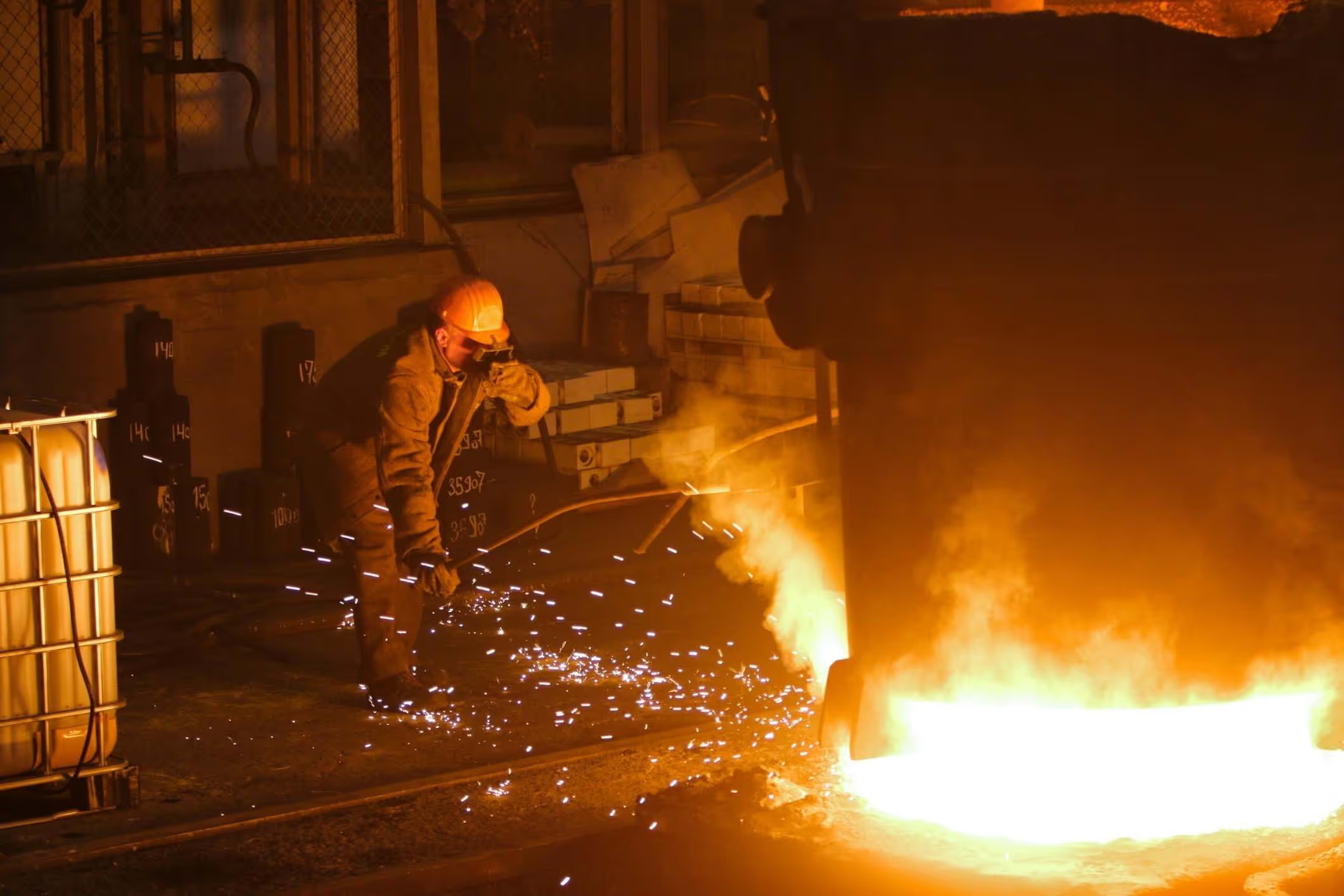
Due to the large amount of asbestos and other toxic materials on site in many steel plants until the 1980s, many former workers have fallen ill and have confirmed mesothelioma and lung cancer diagnoses. Former Gary Works employees have filed work injury and occupational cancer claims over the years, and because some cancers have a long latency period, new cases related to toxic exposures at old steel mills are still possible.
The Asbestos Lawyers at The Lyon Firm have filed numerous occupational lung cancer complaints on behalf of plaintiffs nationwide. We believe that all employers have a duty to protect workers from known health hazards, and if they fail to provide proper training or safety equipment, they may be held accountable for any injury or illness related to workplace toxic exposure.
Gary Works, in Gary, Indiana, on the shore of Lake Michigan, was once the world’s largest steel mill, employing as many as 30,000 individuals at one time. It has a much reduced capacity from its peak in the 1970s, but the plant is still operating under the direction of U.S. Steel. The Gary Works includes both steelmaking and finishing facilities as an integrated mill.
Before OSHA and other work safety agencies determined that asbestos was extremely toxic and linked to specific deadly cancers, almost every steel mill facility contained the material. Much of the substance that was installed in old plants still remains.
Why did steel mills use asbestos? Due to the nature of the work, steel production involves extremely high temperatures, and asbestos was thought to be the perfect insulator because it was cheap, abundant, durable, flexible and heat resistant. Thus, steel mills like Gary Works, and countless others, used asbestos in various applications. Asbestos insulation was installed in many buildings in the flooring, siding, roofing, piping, machinery, and even the protective gear (gloves, aprons, masks) issued to steel workers.
As a result of chronic toxic exposure, many former Gary Works and U.S. Steel workers have developed occupational lung diseases and illnesses, including the following:
- Mesothelioma
- Lung Cancer
- Colorectal Cancer
- Stomach Cancer
- Bladder Cancer
- Asbestosis
- Esophageal Cancer
- Other related pulmonary conditions
For many former workers at steel plants, exposure many years prior may not pose a health issue until many years later. When asbestos cancers do begin to present with symptoms, they are generally already in the later stages. It is prudent to seek medical care as soon as possible. Individuals and families can contact an experienced asbestos lawyer with medical records and work history documentation to begin filing a claim to help compensate for medical bills and other damages.
Experienced. Compassionate. Consumer Advocates
The Lyon Firm is a Cincinnati, Ohio-based law firm, representing individuals nationwide in class action, product liability, and toxic exposure litigation.

.avif)
Why Hire The Lyon Firm?
Our Toxic Exposure Attorneys can help you identify the exposure sources and then initiate the proper claims to provide the financial security you and your family deserve.
Joe Lyon has two decades of experience in the fields of workplace injury and occupational toxic exposure. Our lawyers work with some of the top industry experts to build your case, and negotiate with your former employers for a fair settlement. We can guide you through a difficult process and assume all legal tasks and financial risks. We aim to get you the maximum compensation package available, seeking damages related to lost earnings, pain and suffering, emotional distress and related medical expenses.
Gary Works Asbestos FAQ

If you were exposed to toxic materials at your workplace, and your employer failed to provide warnings, training and safety gear, which resulted in the development of an illness or cancer, you may have a good case. Call us for a free consult.
- Mesothelioma
- Lung Cancer
- Stomach Cancer
- Esophageal Cacner
- Bladder Cancer
- Colorectal Cancer
- Adenocarcinoma
- Asbestosis
- Pulmonary Fibrosis
Boiler maintenance crews, pipefitters, plumbers, welders, machinists, furnace operators, roller operators, and many others in steel plants were likely using asbestos safety gear before the 1980s.
According to a series of medical studies, workers in the metals and steel industry are at an increased risk for developing asbestos-related diseases. Workers that regularly inhale asbestos fibers may eventually develop severe scarring of the lungs, and fatal diseases like asbestosis or mesothelioma.
For a typical steel mill worker, direct handling of machinery, equipment and material in steel plants expose them to large amounts the toxic materials on a daily basis.
It is estimated that asbestos was added to more than 3,000 construction products, many used in the steel industry. Employees who worked in high-temperature settings wore asbestos coats and leggings during certain production processes. Clothing such as gloves, aprons, coveralls and facemasks contained asbestos materials.
From the 1940s through the end of the 1970s, steel mills also commonly used asbestos as an insulation material. Steel mills were constructed with toxic materials in refractory bricks, floor tiles, ceiling tiles, and liner boards. Asbestos blankets, used for covering ladles, were often strewn about carelessly on the plant floors.
Asbestos was used to insulate equipment, which included the following:
- Ovens
- Hot blast stoves
- Furnaces
- Rolling mills
- Tanks
- Boilers
- Cranes
- Molding boards
- Steam Pipes
- Generators
Asbestos Verdicts & Settlements
Estate of Steve Thomas v. AK Steel Corporation, et al.
Summary: PHILADELPHIA COUNTY, Pennsylvania – Co-counsel represented the surviving spouse of a steel mill worker who developed mesothelioma after years of asbestos exposure on the job. The case resulted in a settlement exceeding $2.7 million.
Estate of William P. Bush v. AK Steel Corporation, et al.
Summary: MADISON COUNTY, Illinois – Co-counsel represented the family of a steel mill worker who suffered asbestos exposure that later led to mesothelioma. The case resulted in a settlement exceeding $2.3 million.
Asbestos Lawsuits
Request a Free Consultation
Taking the first step doesn’t have to be complicated. In just a few minutes, you can share the basics of your case, and our team will guide you from there:
- It begins with a few simple questions about your situation.
- From there, a member of our legal team reviews your case.
- Together, we’ll chart the path forward, helping you take the next step toward resolution.
