

Great Lakes Works Asbestos Exposure | Lung Cancer Lawsuits
Filing Mesothelioma and Lung Cancer Claims on behalf of former Great Lakes Works Employees


.avif)


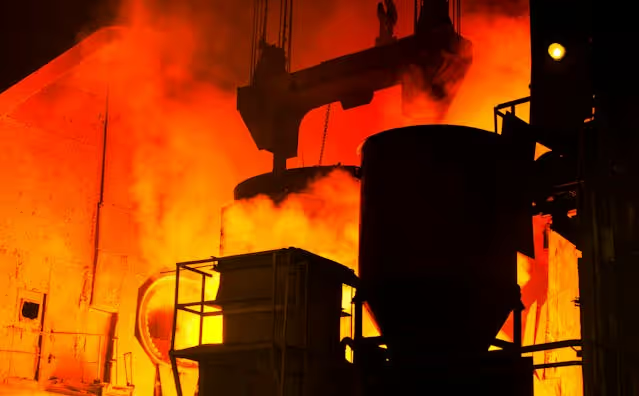
Steel Mill Asbestos Cancer Lawsuits
Asbestos Lawyer Investigating Great Lakes Steel Mill Toxic Exposure
Due to the extreme heat and fire risks at steel mills and foundries, the steel industry was known to use a great deal of asbestos insulation in facilities, machinery, piping, refractory products and even in personal safety gear. As a result, many former workers at Great Lakes Works, US Steel, and other steel companies around the country have been diagnosed with mesothelioma, lung cancer and other cancers linked to chronic asbestos exposure. Toxic exposure lawsuits have followed, and plaintiffs have settled numerous asbestos cancer claims with their former employers.
The Great Lakes Works outside Detroit gave thousands of people work for decades, but despite the boon for the local economy, the steel and auto industry also created a serious public health concern due to the use of multiple toxins at the workplace. Great Lakes Steel Corporation has been accused of exposing many former employees to asbestos, once thought to be the perfect insulating material.
US Steel bought most of the remaining production facilities on Zug Island in 2003, making iron from ore shipped to the docks. In 2019, U.S. Steel announced the closure of most of the Great Lakes Works, and it still operates on a much smaller scale.
Almost all foundries and steel mills in the U.S. used asbestos until safety experts discovered that the material was extremely hazardous to anyone who handled it. It was used as an insulating fiber, which was necessary when temperatures in steel mill furnaces reach over 2,000 degrees. Workers were issued gloves, aprons, boots, coveralls, and masks that were lined with asbestos. Asbestos may have protected workers from burns and fires, but also contributed greatly to many former workers’ lung diseases and cancers like asbestosis, lung cancer and mesothelioma. Nearly anyone who worked at Great Lakes Works until the 1980s could have experienced asbestos exposure.
If you or a loved one worked at Great Lakes Steel or another U.S. Steel mill, and later developed a serious medical condition associated with toxic exposure, contact an attorney to begin filing a work injury claim. Settlements can help ensure a better financial future, can help pay for rising medical costs, and can compensate victims for a wide range of damages, including wrongful death. The Lyon Firm is also investigating steel mill asbestos cancer claims for former workers at the following locations:
- McLouth
- J&L Steel
- Ford Rouge Steel
- Dearborn Works
- US Steel
Who Was Exposed to Asbestos at Great Lakes Works?
There are positions at steel mills and foundries that are more associated with asbestos exposure than others, generally because of a great deal of asbestos materials located where individuals were employed. Occupations at steel mills most likely to present an occupational toxic exposure include the following:
- Welders
- Smelters
- Blacksmiths
- Foundry workers
- Forge men
- Iron workers
- Tinsmiths
- Sheet metal workers
- Structural metal craftsmen
- Pipefitters
- Plumbers
- Insulators
- Boilermakers
- Millwrights
- Laborers
- Bricklayers
- Electricians
- Carpenters
Experienced. Compassionate. Consumer Advocates
The Lyon Firm is a Cincinnati, Ohio-based law firm, representing individuals nationwide in class action, product liability, and toxic exposure litigation.

.avif)
Why Hire The Lyon Firm?
Joe Lyon and his team of toxic exposure attorneys have filed numerous asbestos cancer claims on behalf of individuals across the country. We have 20 years of experience in negotiating on plaintiffs’ behalf, and reaching settlements to guarantee a secure financial future for victims and their families. We have the experience, the resources and the willingness to build your case, and to reach the best possible compensation package available. Call for a free consultation.
Great Lakes Works Steel Asbestos FAQ

If you were exposed to asbestos at your workplace, and have developed cancer or a related illness, you are likely to qualify for compensation.
When asbestos breaks down over time or with use, the fibers of the material can become airborne, presenting a risk of inhaling or ingesting the toxin. Asbestos is a cancer-causing agent, and those heavily exposed can develop scarring in the lungs and later develop lung cancer and mesothelioma.
Asbestos was cheap, durable, fire-resistant and light, and was thought to be the perfect insulating material before research showed it was extremely hazardous to the health.
- Mesothelioma
- Lung Cancer
- Colorectal Cancer
- Bladder Cancer
- Esophageal Cancer
- Stomach Cancer
- Adenocarcinoma
- Asbestosis
- Pulmonary Fibrosis
- Steel workers
- Auto workers
- Military Veterans
- Rubber workers
- Welders
- Machinists
- Construction Workers
- Electricians
- Plumbers & Pipefitters
Steel and Metal Workers at Risk of Exposure
According to a series of medical studies, workers in the metals and steel industry are at an increased risk for developing asbestos-related diseases. Workers that regularly inhale asbestos fibers may eventually develop severe scarring of the lungs, and fatal diseases like asbestosis or mesothelioma.
Even family members of steel factory workers are at risk of potential second-hand exposure. Asbestos fibers may be brought home on the clothes or skin of an employee.
Health issues related to asbestos exposure often develop many years after exposure, so former steel plant workers should monitor their health for signs of an asbestos-related lung disease. About 3,000 U.S. citizens will be diagnosed with mesothelioma this year.
As a result of widespread occupational exposure to toxic substances like asbestos, many former workers are filing lawsuits to help compensate for their debilitating, and deadly illnesses.
For a typical steel mill worker, direct handling of machinery, equipment and material in steel plants expose them to large amounts the toxic materials on a daily basis.
It is estimated that asbestos was added to more than 3,000 construction products, many used in the steel industry. Employees who worked in high-temperature settings wore asbestos coats and leggings during certain production processes. Clothing such as gloves, aprons, coveralls and facemasks contained asbestos materials.
From the 1940s through the end of the 1970s, steel mills also commonly used asbestos as an insulation material. Steel mills were constructed with toxic materials in refractory bricks, floor tiles, ceiling tiles, and liner boards. Asbestos blankets, used for covering ladles, were often strewn about carelessly on the plant floors.
Asbestos was used to insulate equipment, which included the following:
- Ovens
- Hot blast stoves
- Furnaces
- Rolling mills
- Tanks
- Boilers
- Cranes
- Molding boards
- Steam Pipes
- Generators
Asbestos Verdicts & Settlements
Estate of Steve Thomas v. AK Steel Corporation, et al.
Summary: PHILADELPHIA COUNTY, Pennsylvania – Co-counsel represented the surviving spouse of a steel mill worker who developed mesothelioma after years of asbestos exposure on the job. The case resulted in a settlement exceeding $2.7 million.
Estate of William P. Bush v. AK Steel Corporation, et al.
Summary: MADISON COUNTY, Illinois – Co-counsel represented the family of a steel mill worker who suffered asbestos exposure that later led to mesothelioma. The case resulted in a settlement exceeding $2.3 million.
Asbestos Lawsuits
Request a Free Consultation
Taking the first step doesn’t have to be complicated. In just a few minutes, you can share the basics of your case, and our team will guide you from there:
- It begins with a few simple questions about your situation.
- From there, a member of our legal team reviews your case.
- Together, we’ll chart the path forward, helping you take the next step toward resolution.
