

WH Sammis Stratton Asbestos Exposure
Mesothelioma & Lung Cancer


.avif)


Ohio Asbestos Lawyer
Representing WH Sammis Stratton Workers in Mesothelioma & Lung Cancer Claims
Due to the fire-prone nature of generating power at Stratton, Ohio’s WH Sammis power plant, asbestos insulation was regularly installed throughout buildings in the machinery, walls, pipes, boilers, and electrical components. As a result, many Sammis power plant workers have been exposed to asbestos, unknowingly inhaling toxic fibers, and potentially leading to serious diseases and cancers like mesothelioma.
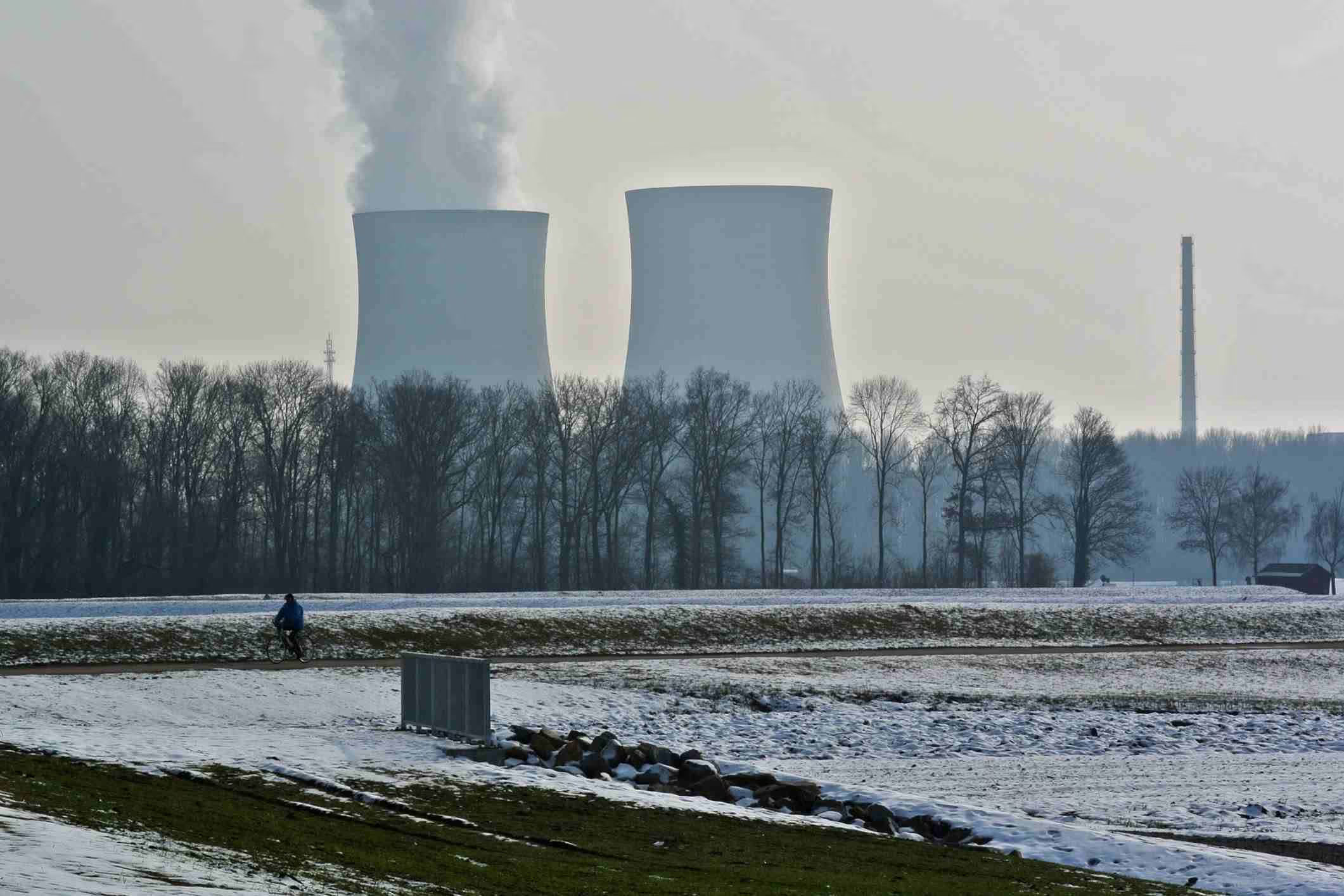
The W.H. Sammis power plant, owned and operated by the FirstEnergy Corporation, is the largest coal-fired power plant in Ohio. The plant was located on the bank of the Ohio River in Stratton, Ohio in Jefferson County. The plant’s first generator unit went into operation in 1959. Additional coal-fired generators were added in the late 1960s and early 1970s.
At the time, asbestos was a common construction material used in power generation facilities. It was used extensively in industry to protect ducts and pipework in environments that exposed them to high temperatures. Likewise, the walls and infrastructure of boiler rooms and furnaces used asbestos as a safety measure to protect the plant property from explosions.
The Sammis generation plant has employed thousands of technicians and support personnel, as well as independent contractors and temporary employees on site. Many former workers at Sammis and other Ohio power plants have filed injury claims. Lawyers say their employers failed to provide safe work environments or at least warn workers of the potential deadly risks of the workplaces.
Nearly any worker in an Ohio power plant could be at risk of developing serious health issues, including asbestosis, lung cancer, and mesothelioma.
Joe Lyon is a highly-rated Cincinnati asbestos lawyer and Ohio personal injury attorney representing plaintiffs nationwide in a wide variety of toxic tort and mesothelioma claims.
Power Plant Workers at Asbestos Risk
Asbestos-related deaths have been well-documented in the global power industry. A recent study published by the Journal of Occupational Medicine and Toxicology, states a “vast number of employees were affected” in the power generation industry.
The study notes that the increased exposure to asbestos put several power plant occupations at high-risk of developing asbestos-related diseases such as asbestosis, lung cancer and mesothelioma.
In the past, Ohio power plant workers often risked toxic exposure by wearing protective clothing which contained asbestos—including protective coats, aprons, mitts and masks. The asbestos insulation in buildings and clothing broke down and released toxic fibers into the air, endangering workers throughout a number of Ohio work sites.
Mesothelioma is most commonly diagnosed in men between the ages of 50 and 75 years old. There are over 2,000 malignant mesothelioma cases diagnosed each year in the United States.
Asbestos Used in Ohio Power Plants
Coal-fired power plants like W.H. Sammis were regularly equipped with up hundreds of different asbestos-containing products for supposed protection. However, when health concerns became more obvious, the plants found it difficult to safely remove all the asbestos on the property. The following asbestos-containing products were used in power plants:
• Fire-resistant (protective) clothing
• Insulation in boiler rooms
• Fireproofing steel work
• Protection of electric cables
• Electrical cloth
• Fire blankets
• Metal mesh blankets
• Pipe coverings
• Welder’s blankets
• Gaskets
• Packing material
Power Generation Asbestos Exposure
An estimated 80 percent of all diagnosed mesothelioma cases reported contact with asbestos at the workplace. Workers at W.H. Sammis that may have led to a higher risk of exposure at the workplace include:
• Insulators
• Welders
• Boiler operators
• Pipefitters
• Machinists
• Mechanics
• Electricians
• Firefighters
Sammis Plant Asbestos Lawsuits
Many mesothelioma victims in Ohio develop the deadly cancer decades after exposure at the workplace. Lawyers claim that First Energy and the preceding power companies that ran W.H. Sammis knew about the deadly potential of the Sammis plant asbestos exposure risk.
Ohio power plant workers diagnosed with mesothelioma have complained that they were not given any warning, training or protective gear when handling, installing, repairing, or removing asbestos at the workplace. The courts continue to find several companies negligent.
Experienced. Compassionate. Consumer Advocates
The Lyon Firm is a Cincinnati, Ohio-based law firm, representing individuals nationwide in class action, product liability, and toxic exposure litigation.

.avif)
Why are these cases important?
Many experience asbestos exposure through the workplace. Workplaces may have been filled with toxic materials, and employers may have failed to warn of the serious health risks of the job. Filing a suit helps to raise the awareness of job safety.
Asbestos Lawsuits
Request a Free Consultation
Taking the first step doesn’t have to be complicated. In just a few minutes, you can share the basics of your case, and our team will guide you from there:
- It begins with a few simple questions about your situation.
- From there, a member of our legal team reviews your case.
- Together, we’ll chart the path forward, helping you take the next step toward resolution.
