
Nuflos Complaints: What Consumers Should Know About Automatic Refills
October 7, 2026


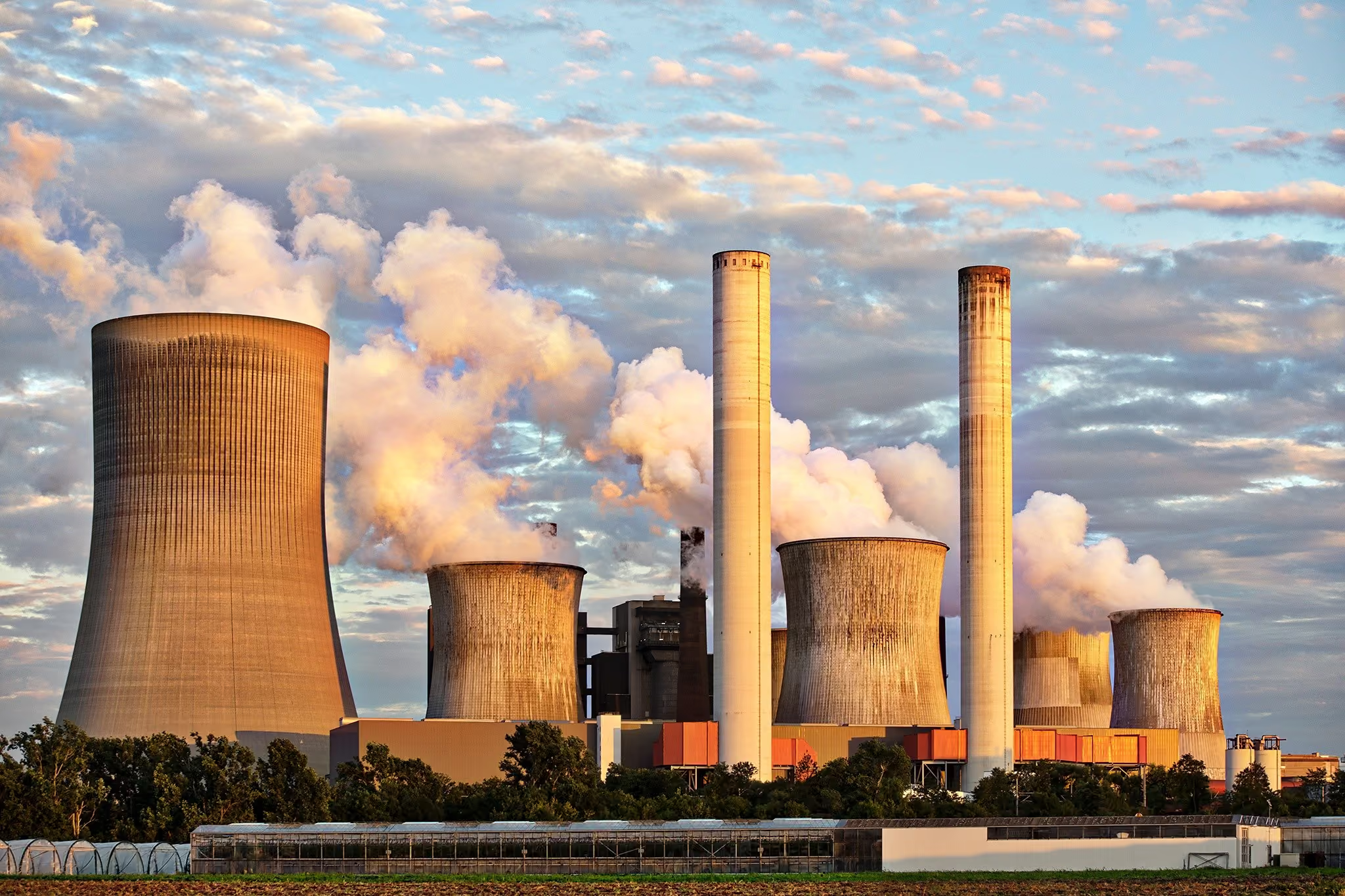
Cancer clusters caused by industrial pollution deserves more attention by the legal community. Families living near contaminated work sites deserve accountability and financial recovery and The Lyon Firm is committed to representing victims of toxic chemical exposure and fighting for justice in communities nationwide.
A cancer cluster is a phenomenon where more people than expected in a specific community develop similar types of cancer over a given time period. The clusters are often linked to chemical exposure and industrial pollution, especially when residents live near chemical plants or contaminated water sources.
When hazardous substances enter the air or drinking water, families nearby face elevated risks of rare and aggressive cancers, and may be entitled to join environmental contamination litigation against polluters.
Residents who have lived in the same area for many years should come forward if they notice unusual health trends, such as several cases of childhood leukemia within a few blocks or multiple adults diagnosed with the same rare cancer.
The Centers for Disease Control and Prevention (CDC) and state health departments sometimes investigate these cases, but proving a link between the cancer and environmental contamination is difficult. Industrial operations may release volatile organic compounds (VOCs or “forever chemicals” that increase cancer risks, and authorities may not know the damage for a decade or more.
Communities impacted by toxic exposure often seek legal representation from industrial cancer cluster attorneys who can help establish causation and hold negligent corporations accountable.
In the 1970s and 1980s, residents of Woburn, Massachusetts, saw a disturbing number of childhood leukemia cases. Investigations showed the local water supply was contaminated with trichloroethylene (TCE) and perchloroethylene (PCE), both linked to cancer. Families pursued toxic chemical cancer claims against corporations accused of polluting the groundwater.
Families in Niagara Falls discovered their homes were built over a buried toxic waste site in the late 1970s. Chemicals seeped into soil and water, leading to cancers and birth defects. The Love Canal disaster became a landmark case of environmental negligence and led to the creation of the federal Superfund cleanup program.
At Camp Lejeune, North Carolina, contaminated drinking water exposed Marines and their families to benzene, vinyl chloride, and TCE from the 1950s through the 1980s. Decades later, research revealed higher cancer rates among the exposed population. Ongoing lawsuits and federal legislation have allowed victims to seek compensation through environmental contamination litigation.
Some of the most dangerous industrial pollutants include:

Proving that a company’s negligence directly caused a community’s health crisis requires extensive investigation. The Lyon Firm has decades of experience reviewing such cases and has represented individuals and families harmed by environmental toxins.
The firm works with medical experts to uncover the truth behind cancer clusters and industrial contamination, building strong, evidence-based cases. Contact our toxic exposure lawyers now.
1. What should I do if I suspect my community is experiencing a cancer cluster?
Residents should document cancer cases and report concerns to local health departments. Speaking with a toxic exposure lawyer early can help preserve evidence and protect legal rights.
2. How long do I have to file a lawsuit for toxic chemical exposure?
Deadlines vary by state, but most require claims to be filed within a few years of diagnosis or discovery. Consulting an attorney quickly is essential.
3. Do I have to join a class action lawsuit, or can I file an individual cancer claim?
Both options are available. Individuals can file standalone claims, while entire communities often pursue mass tort cancer lawsuits to strengthen their cases.
4. How hard is it to prove that industrial pollution caused my cancer?
It can be challenging, but attorneys use medical records and scientific studies to establish causation. Experienced industrial cancer cluster attorneys increase the chances of success.
The Lyon Firm is a Cincinnati, Ohio-based law firm, representing individuals nationwide in class action, product liability, and toxic exposure litigation.

Taking the first step doesn’t have to be complicated. In just a few minutes, you can share the basics of your case, and our team will guide you from there: