
FDA No Artificial Colors Policy & Food Labeling Lawsuits
November 11, 2026
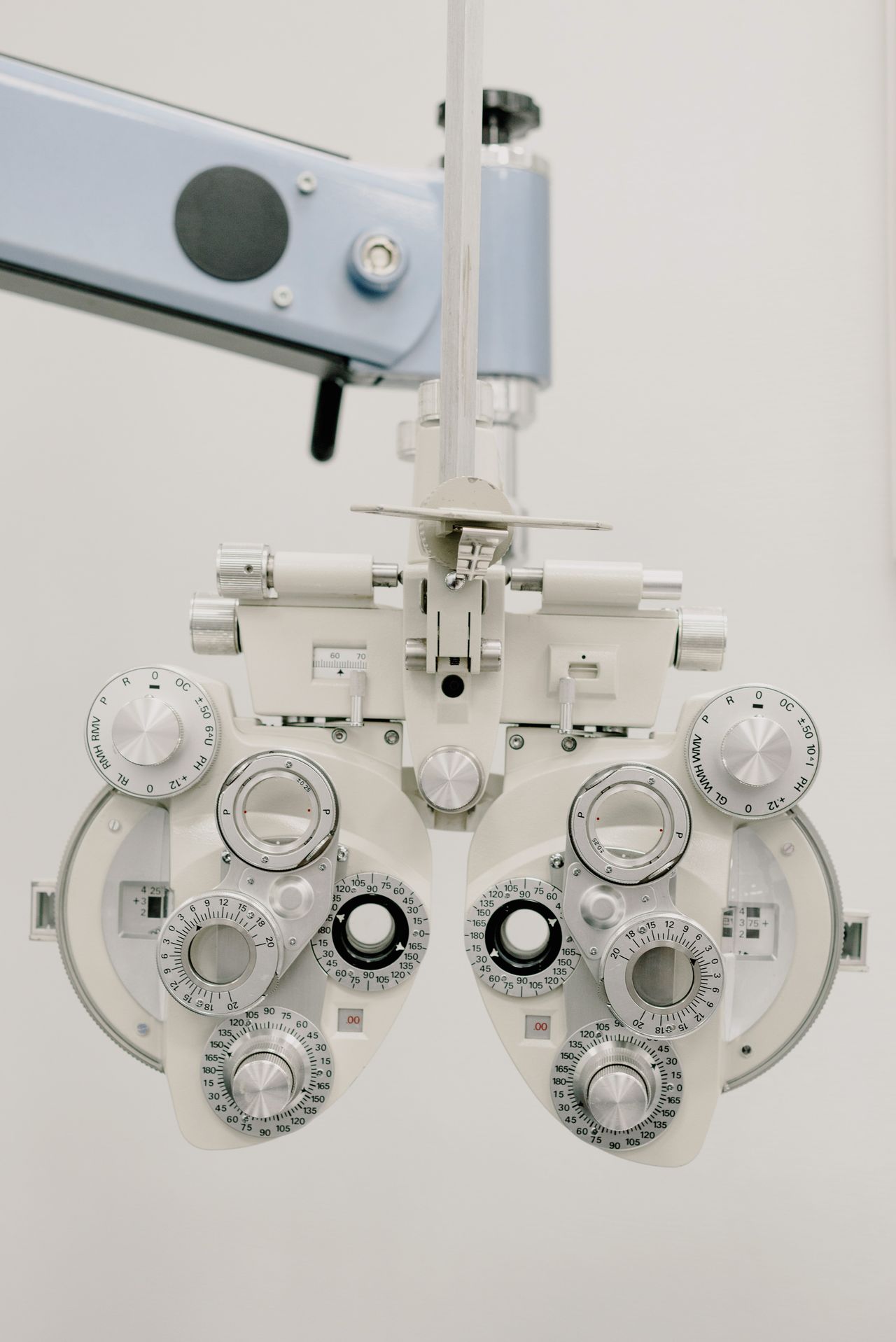
On November 9, 2026, the U.S. Food and Drug Administration ordered the makers of all GLP-1 receptor agonist medications to add a vision loss warning to their labels, addressing a rare eye condition called non-arteritic anterior ischemic optic neuropathy, or NAION.
The order covers the entire drug class, including Ozempic, Wegovy, Mounjaro and Zepbound. Manufacturers must place the information in the Warnings and Precautions section. Contact our pharmaceutical injury lawyers if you have suffered any injury related to GLP-1 product.
NAION develops when blood flow to the optic nerve drops. It causes sudden, painless vision loss in one eye, and the damage can be permanent. The FDA says a person who has lost vision in one eye faces a higher chance of losing it in the other. The agency also noted that reports of NAION involve every GLP-1 product currently sold in the United States.
The FDA reached its decision after reviewing clinical trial data and published observational studies. Several studies of adults with type 2 diabetes found a higher NAION risk among people who started GLP-1 drugs than among those who started DPP-4 inhibitors, an oral prescription medication used to treat Type 2 diabetes.
The health agency told health care professionals to instruct patients to report sudden vision changes right away. If a doctor diagnoses NAION, the FDA says the prescriber should consider stopping the GLP-1 drug unless its benefits clearly outweigh the risks.
Patients should not quit a prescribed medication on their own. Anyone who notices sudden blurring, a dark patch in their sight or vision loss in one eye should seek urgent medical care.
The label change arrives at a time when hundreds of lawsuits have already been levied against Novo Nordisk and Eli Lilly. Plaintiffs allege that GLP-1 products caused NAION and that the companies did not warn patients and doctors adequately. No court has found either company liable, and both may dispute the claims.
A label update is a regulatory action. It does not try to assess whether any manufacturer is responsible for any person’s injury. It may, however, shape how product liability lawyers investigate what companies knew and when they shared it.
The Lyon Firm is a Cincinnati, Ohio drug injury practice that represents plaintiffs nationwide in pharmaceutical cases. Attorney Joe Lyon has handled prior claims involving Vioxx, Yaz and Avandia and has represented plaintiffs in national multidistrict litigation.
Drug injury cases depend heavily on medical records, expert analysis and proof of what a manufacturer told the medical community. Clients may speak directly with Mr. Lyon, who works with medical experts to determine whether a drug played a role in your injury.
If you lost vision after taking a GLP-1 medication, call The Lyon Firm at (800) 513-2403 for a free consultation. Gather your prescription history and any eye care records you have for review.
The Lyon Firm is an Ohio-based law firm, representing individuals nationwide in class action, product liability, and toxic exposure litigation.

Taking the first step doesn’t have to be complicated. In just a few minutes, you can share the basics of your case, and our team will guide you from there: