
Nuflos Complaints: What Consumers Should Know About Automatic Refills
October 7, 2026



If you or a loved one are concerned about exposure to toxic pharmaceutical products, consulting an experienced product liability attorney is an important step toward protecting your consumer rights.
The Lyon Firm offers free consultations to help individuals evaluate their legal options. By holding corporations accountable for microplastics in pharmaceuticals, our attorneys seek compensation for affected clients and ensure that safer practices are put in place for the future. Taking legal action now can help safeguard health and promote corporate responsibility for future generations.
When most people think of microplastics, they imagine tiny fragments polluting oceans or contaminating food packaging. Few realize that these same microscopic particles can also be found in the medicines and supplements they take every day.
Researchers are now uncovering evidence that pharmaceutical products may contain microplastics in coatings or capsules. Inactive ingredients known as excipients may also have plastics in them.
The implications for both human health and the environment are only beginning to be understood, and many individuals are seeking answers from an experienced toxic exposure lawyer.
Microplastics are plastic particles and can appear as protective shells around capsules or as additives that make medication easier to swallow. This concern extends throughout the entire pharmaceutical supply chain. Patients who suspect harm may eventually have grounds for a pharmaceutical microplastics lawsuit.
Studies have found microplastics in human tissue where they may trigger immune responses, causing chronic inflammation that can aggravate existing medical conditions. Because many plastics are made with chemical additives, these substances can leach into the body and interfere with hormone production or contribute to long-term toxicity.
Patients who take daily medications may be exposed repeatedly over the course of years or decades, yet the medical community does not yet know how this accumulation affects long-term health. Health issues aside, companies have an obligation to test for these materials, and warn the public if present.
Flushing pills down the toilet or tossing them into household trash allows microplastics to break down and seep into soil and water supplies. Even wastewater treatment plants cannot filter out every microscopic particle, meaning they eventually circulate back into rivers, lakes, and even drinking water.
Farmers using wastewater sludge as fertilizer may unintentionally introduce plastics into agricultural soil, embedding them in crops and returning them to the human food supply, where the cycle would begin again.
The result is a feedback loop where human and environmental health are repeatedly compromised. This is the type of damage that often prompts lawsuits guided by an environmental contamination attorney.
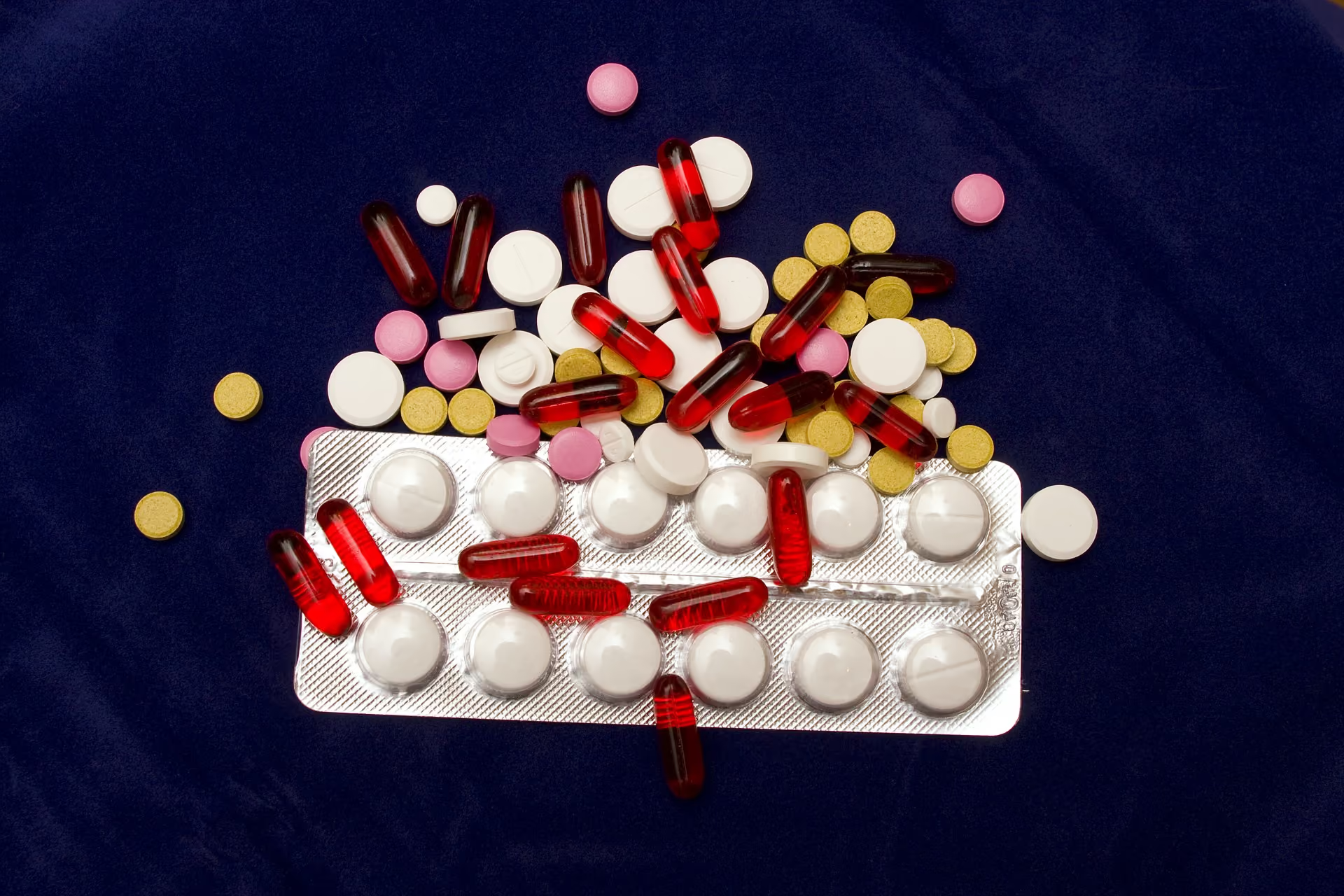
In Europe, regulators have begun exploring restrictions on intentionally added microplastics across multiple industries, including medicine. In the United States, however, oversight is limited.
The Food and Drug Administration currently allows the use of plastic excipients in pharmaceuticals, but patients are rarely informed when their medications contain these substances.
Contact a toxic exposure lawyer to discuss more. Patients harmed by unsafe products can rely on attorneys for guidance, and it is possible that microplastics lawsuits will make new waves in toxic tort litigation.
Patients deserve safe medications free from hidden contaminants, and when corporations fail to provide this basic standard, legal action may be necessary. The Lyon Firm has represented thousands of individuals harmed by toxic substances and unsafe consumer products.
We are committed to client-centered representation and developing strong cases to compensate our plaintiffs.
The Lyon Firm is a Cincinnati, Ohio-based law firm, representing individuals nationwide in class action, product liability, and toxic exposure litigation.

Taking the first step doesn’t have to be complicated. In just a few minutes, you can share the basics of your case, and our team will guide you from there: