
Nuflos Complaints: What Consumers Should Know About Automatic Refills
October 7, 2026

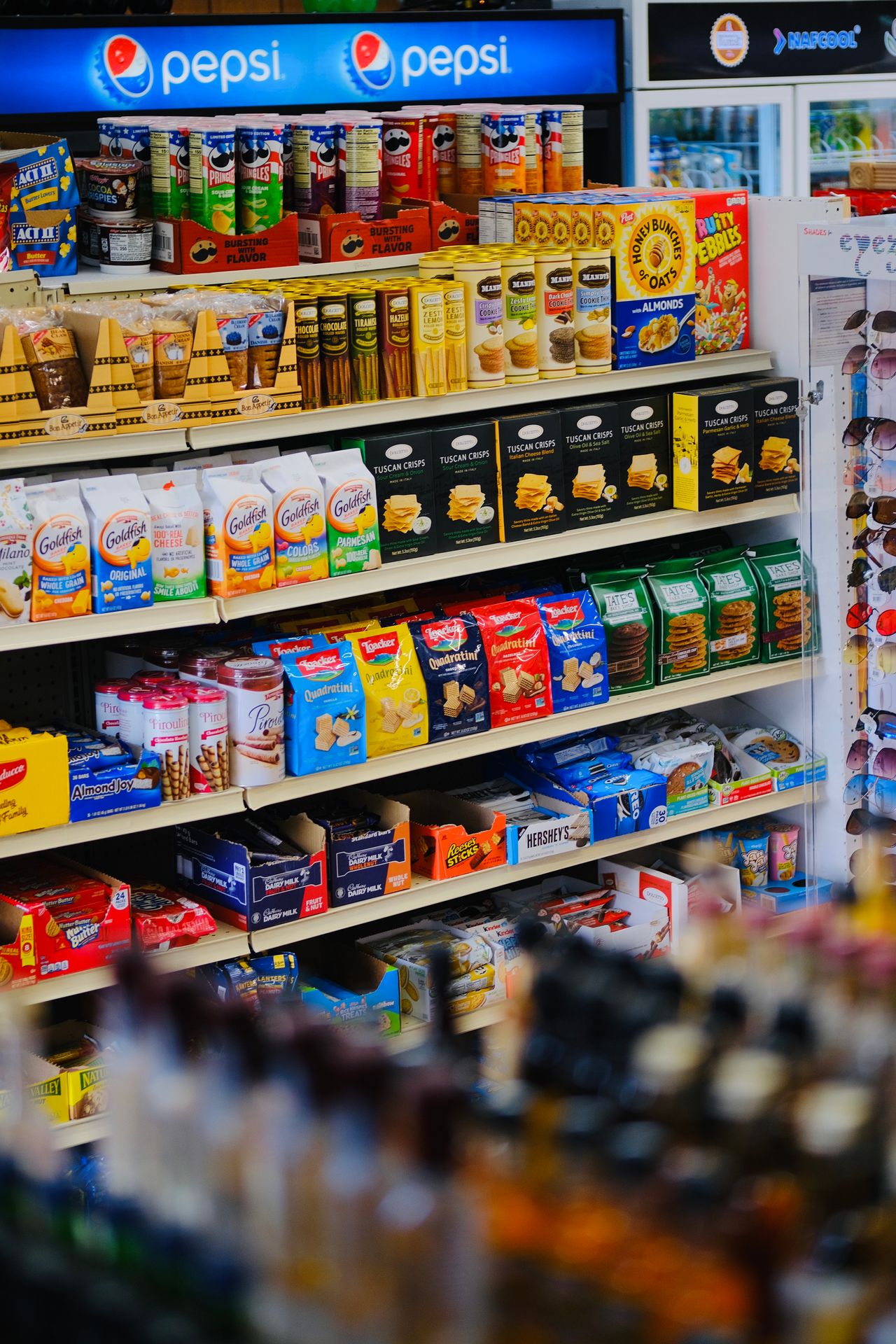
Our consumer fraud lawyer are investigating food and pet food labels that promise "no artificial preservatives" while the ingredient list includes citric acid or similar additives. Shoppers may be paying a premium for a clean-label promise brands do not keep. If you bought one of these products, you may be eligible to take legal action. Contact our attorneys to learn more about deceptive food labeling lawsuits.
Plaintiffs in numerous class actions have been arguing that the citric acid in several packaged foods is artificial. Their complaints allege that over 90% of citric acid used globally is manufactured through fermentation, rather than extracted from fruit.
Second, they say the ingredient works as a preservative, citing scientific literature and FDA guidance that describes citric acid that way. If both points hold, they argue, a "no artificial preservatives" claim is misleading.
Courts have not yet settled the question. In a case against Kraft Heinz, a federal judge in Illinois found the plaintiffs had adequately alleged both points at the pleading stage, so the case moved forward. Other cases have failed.
A court dismissed a "No Preservatives Added" complaint against Herr Foods because the plaintiff did not present enough evidence to show citric acid acted as a preservative in that specific product.
In a ruling reported in March 2026, a California federal court held that how reasonable consumers understand whether citric acid is "artificial" is a question of fact, and refused to dismiss class allegations in a dog food case.
Recent filings reach well beyond snack foods:
Look for phrases such as "no artificial preservatives," "no preservatives added," or "no artificial flavors, colors or preservatives," then check the ingredient list for citric acid or related additives. If both appear, photograph each side of the package with the date visible.
Gather what records you have. Receipts, loyalty-card history and online order confirmations all help show what you bought and what you paid. You do not need to have saved everything, since some class settlements accept a sworn statement for small purchases.
These cases are generally framed as price-premium claims, meaning shoppers say they overpaid because of an inaccurate label, rather than personal injury claims. The usual remedy sought is a refund of some portion of the price.
If you bought a product that promised "no artificial preservatives" or a similar claim, and the ingredient list shows citric acid or related additives, you may have a claim. The Lyon Firm handles consumer class actions over deceptive food and product labeling.
Contact us for a free, confidential case evaluation, and copies of your receipts, photos and the product name if you have them. We can tell you whether you have a valid claim and what to do next.
The Lyon Firm is a Cincinnati, Ohio-based law firm, representing individuals nationwide in class action, product liability, and toxic exposure litigation.

Taking the first step doesn’t have to be complicated. In just a few minutes, you can share the basics of your case, and our team will guide you from there: