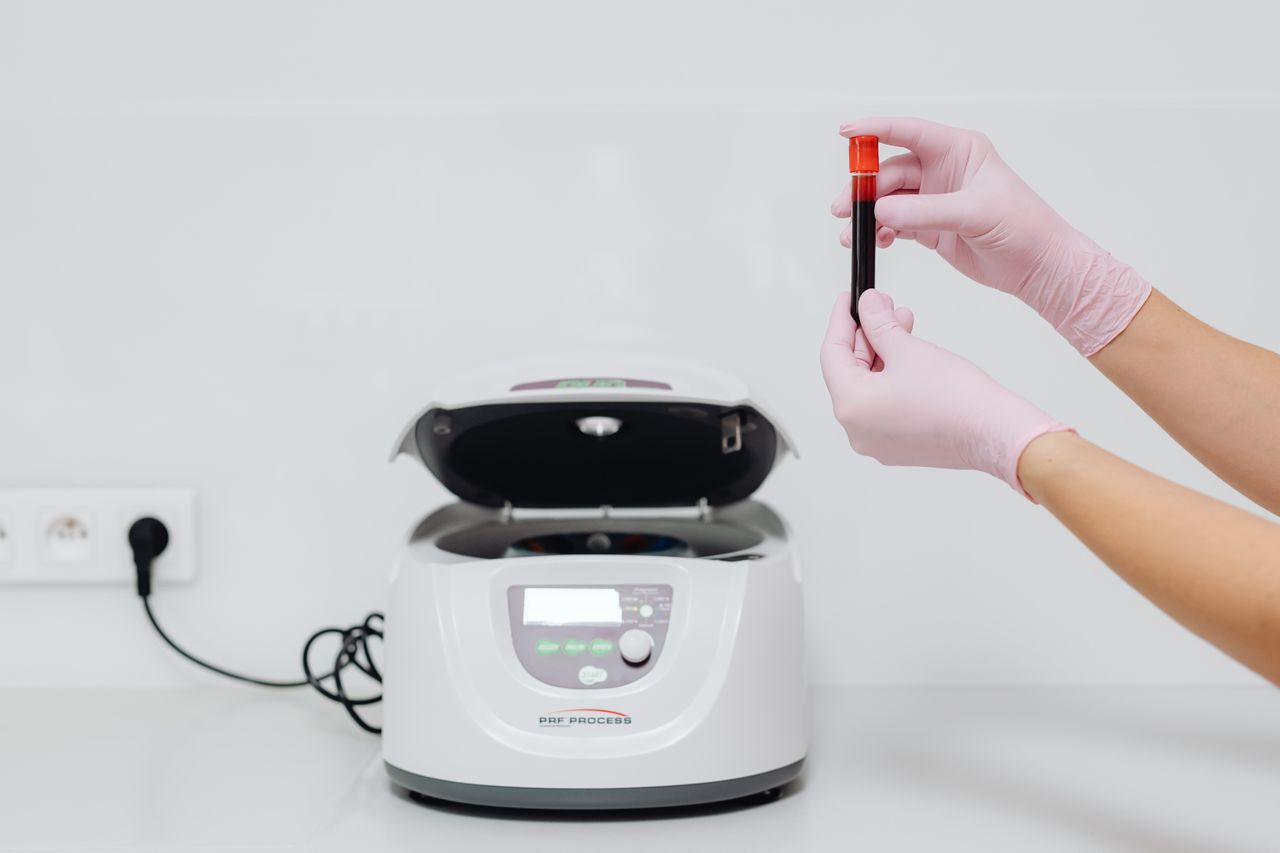
Innovative Medical Center Columbus, Ohio Investigation
November 26, 2026

Stem cell clinics frequently promote regenerative medicine treatments to patients seeking alternatives for chronic illnesses and serious medical conditions. However, questions about the scientific support behind these treatments and the accuracy of promotional claims have attracted increased regulatory attention.
A November 2020 warning letter issued jointly by the U.S. Food and Drug Administration (FDA) and Federal Trade Commission (FTC) to Vibrant Health Care, Inc., highlights some of the concerns surrounding stem cell marketing.
Consumers who believe they purchased treatments based on misleading medical advertising can contact The Lyon Firm to discuss potential legal claims.
The 2020 warning followed a review of Vibrant Health Care's website, Facebook page and YouTube channel. Based in Scottsdale, Arizona, the company marketed an umbilical cord-derived cellular product that the agencies said was being promoted for the prevention and treatment of COVID-19.
The FDA concluded that the product was an unapproved new drug and misbranded under federal law. It also noted that the product lacked an approved biologics license application or an effective investigational new drug application.
The agency identified several promotional statements suggesting that stem cell infusions could strengthen the immune system, protect the lungs against viruses and help prevent or treat coronavirus infections. The letter also addressed patient testimonials and other marketing materials describing improvements in conditions such as ulcerative colitis, diabetes, asthma and multiple sclerosis.
The FTC separately explained that disease-treatment and prevention claims require competent and reliable scientific evidence. It stated that the coronavirus-related claims identified in the letter lacked the necessary scientific substantiation.
The Vibrant Health Care letter illustrates why marketing practices in the regenerative medicine industry deserve careful examination. Patients considering expensive stem cell procedures may rely on provider websites, physician statements, testimonials and descriptions of clinical results when deciding whether to proceed.
When promotional materials suggest that an unapproved treatment has established therapeutic benefits, consumers may not fully understand the distinction between experimental research and demonstrated clinical effectiveness. Representations concerning FDA approval, scientific evidence and expected patient outcomes can become relevant to potential consumer protection claims.
The warning letter does not establish that every patient experienced harm or Vibrant Health Care has violated any law or consumer protection statute. This article is based on public records and does not allege any wrongdoing. However, the regulatory findings provide important context for examining how stem cell treatments have been marketed to the public.
The Lyon Firm has achieved success in class action litigation and represents consumers in cases involving potentially deceptive advertising and unfair business practices. Individuals who purchased stem cell treatments after relying on questionable medical claims may have grounds to investigate their legal options.
Contact The Lyon Firm to discuss a potential consumer protection or class action lawsuit.
The Lyon Firm is an Ohio-based law firm, representing individuals nationwide in class action, product liability, and toxic exposure litigation.

Taking the first step doesn’t have to be complicated. In just a few minutes, you can share the basics of your case, and our team will guide you from there: