
Elixir Medical Data Breach Investigation
September 9, 2026


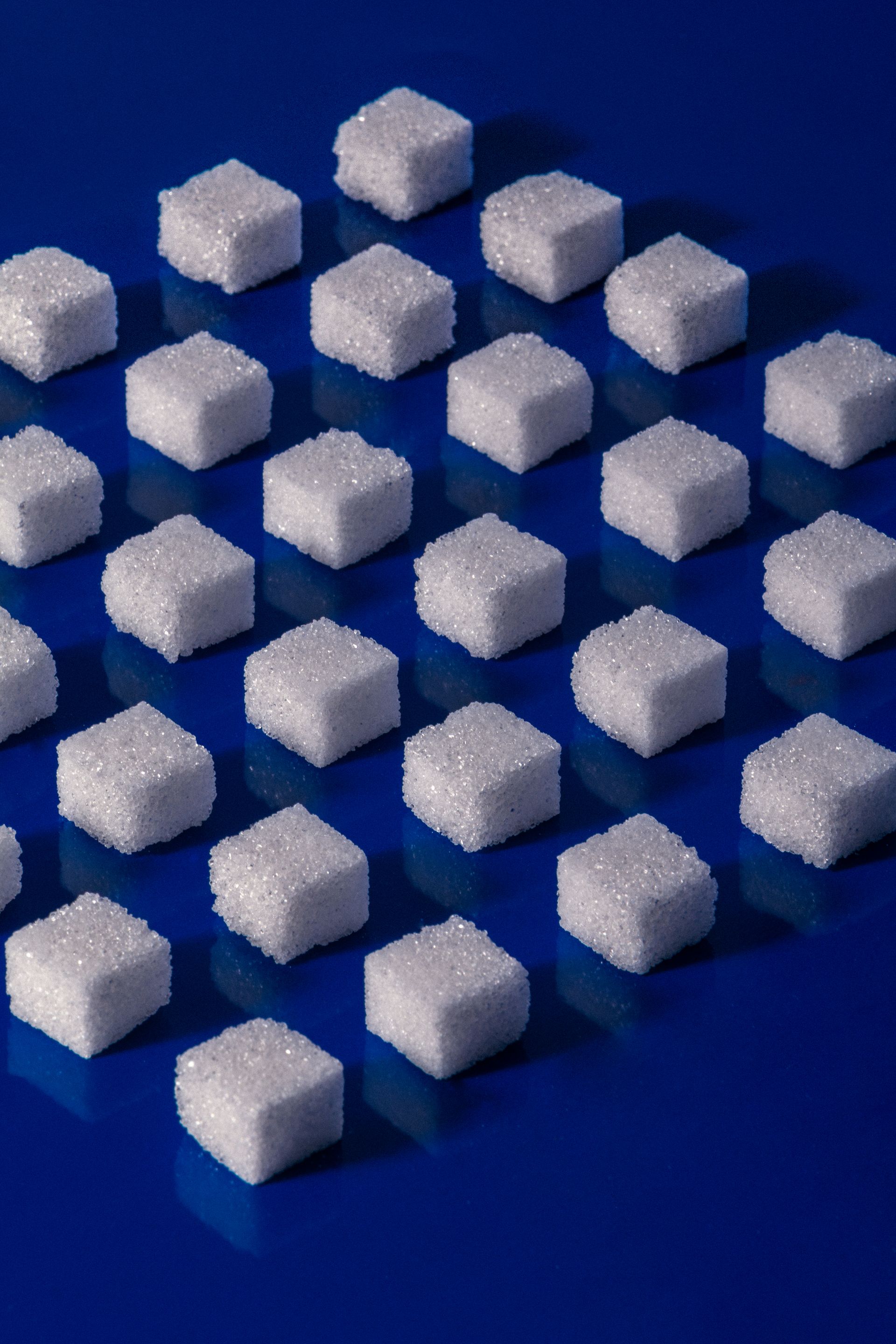
Grocery shelves are full of products promising "zero sugar" or "no artificial sweeteners." Yogurt, energy drinks, cereal, protein bars, and electrolyte mixes all use the language to attract shoppers trying to eat healthier. This could be misleading in many cases.
Since mid-2026, a growing number of deceptive food marketing lawsuits have argued that some of these labels may violate false advertising law, and that consumers paid for products that didn't deliver what the packaging claimed.
Contact our consumer protection lawyers to learn more about our current food label investigations.
Much of the zero sugar deceptive marketing litigation centers on allulose, a monosaccharide, meaning it is chemically classified as a simple sugar even though it doesn't raise blood sugar the way table sugar does. Food manufacturers like it because it adds sweetness with few calories. The legal issue has more to do with what federal regulations say about labeling it.
Under 21 C.F.R. § 101.9, "total sugars" includes all monosaccharides. A product can only carry a "sugar free" or "zero sugar" claim if it contains less than half a gram of sugar per serving.
In 2020, the FDA issued guidance letting manufacturers exclude allulose from sugar counts on Nutrition Facts panels while the agency studied the ingredient further. Many companies used that guidance to justify "zero sugar" claims on products where allulose was one of the top listed ingredients.
That guidance was never legally binding, and a federal appeals court recently confirmed it.
In Franco v. Chobani, plaintiffs sued in 2023 after buying Chobani's Zero Sugar yogurt, which contained about four grams of allulose per serving. A district court initially dismissed the case, ruling that FDA guidance protected the label. In July 2026, the Seventh Circuit reversed that decision.
The FDA told the court directly that allulose meets the legal definition of sugar and that its 2020 guidance was only a temporary enforcement policy, not a change to the regulation itself. The case was sent back to the trial court, and the deceptive labeling claims are moving forward.
Within weeks of that ruling, similar lawsuits were filed against other major brands, including:
Each complaint alleges that the product contains a fair amount of allulose, and the "zero" claim misled consumers who had no reason to know that a sweetener most people have never heard of counts as sugar under the law.
A related legal battle is playing out over erythritol, a sugar alcohol found in products marketed as "no artificial sweeteners" or "naturally sweetened."
Erythritol occurs naturally in small amounts in fruits like pears and watermelon, but the version used in packaged food is almost never sourced that way. It's more often produced by fermenting corn starch with yeast, then purifying the result through an industrial process.
Several lawsuits argue that a compound made this way shouldn't be marketed as free of artificial ingredients, regardless of the trace amounts that occur naturally.
Cargill was sued in June 2026 in New York over claims that its Truvia monk fruit sweetener was marketed as free of artificial sweeteners while consisting mostly of manufactured erythritol.
Cove Drinks, which makes a probiotic soda line, has faced multiple suits over its "No Artificial Sweeteners" labeling, with plaintiffs pointing to the erythritol and stevia extract listed in the ingredients.
These cases don't always move in favor the plaintiffs, however. In March 2026, a federal judge in the Southern District of New York granted summary judgment for Bai Brands, finding that the consumers suing over its "no artificial sweeteners" claim hadn't established what a reasonable person would actually consider "artificial." The outcome shows how much these claims depend on the specific evidence and definitions presented in court.
There's also a health angle fueling interest in this area of law. Cleveland Clinic researchers published findings in Nature Medicine in 2023 showing that people with higher blood erythritol levels had an increased rate of heart attack, stroke, and death within three years, and that erythritol made blood platelets more likely to clot in laboratory testing. A follow-up study reported similar results.
The researchers noted that more long-term study is needed and stopped short of saying erythritol causes these outcomes in every consumer. Still, the findings raise real questions about whether an ingredient marketed as a clean or natural alternative to sugar deserves that label.
Sugar-related labeling disputes aren't new. Kellogg previously agreed to a $20 million settlement over claims it marketed sugar-heavy cereals as healthy. And Whole Foods faced a class action over its use of "evaporated cane juice" instead of sugar on baked goods.
The current wave of allulose and erythritol cases follows the same basic pattern of a company choosing label language that makes a product sound simpler or healthier than a full ingredient review supports.
If you purchased a product labeled "zero sugar," "sugar free," "no added sugar," or "no artificial sweeteners" that actually contained allulose, erythritol, or a related ingredient, you may have paid for something that didn't match its packaging.
That matters most for people managing diabetes, watching sugar intake for health reasons, or specifically avoiding artificial additives. When a label is inaccurate, the harm can affect decisions people are making about their own health.
The Lyon Firm has spent more than two decades holding corporations accountable for deceptive marketing and consumer fraud, and has helped recover significant compensation for people misled by false labeling.
Our attorneys understand the federal regulations behind sugar and sweetener claims and know how to build a case that holds up in court. If you bought a product marketed as zero sugar, sugar free, or free of artificial sweeteners that didn't match its actual ingredients, we want to talk to you.
Contact The Lyon Firm for a free, confidential consultation. There is no fee unless we recover compensation for you.
This article is for informational purposes only and the lawsuits described here involve allegations that have not been proven in court. Nothing in this article should be read as a statement that any company committed fraud or violated the law.
The Lyon Firm is a Cincinnati, Ohio-based law firm, representing individuals nationwide in class action, product liability, and toxic exposure litigation.

Taking the first step doesn’t have to be complicated. In just a few minutes, you can share the basics of your case, and our team will guide you from there: