



.avif)


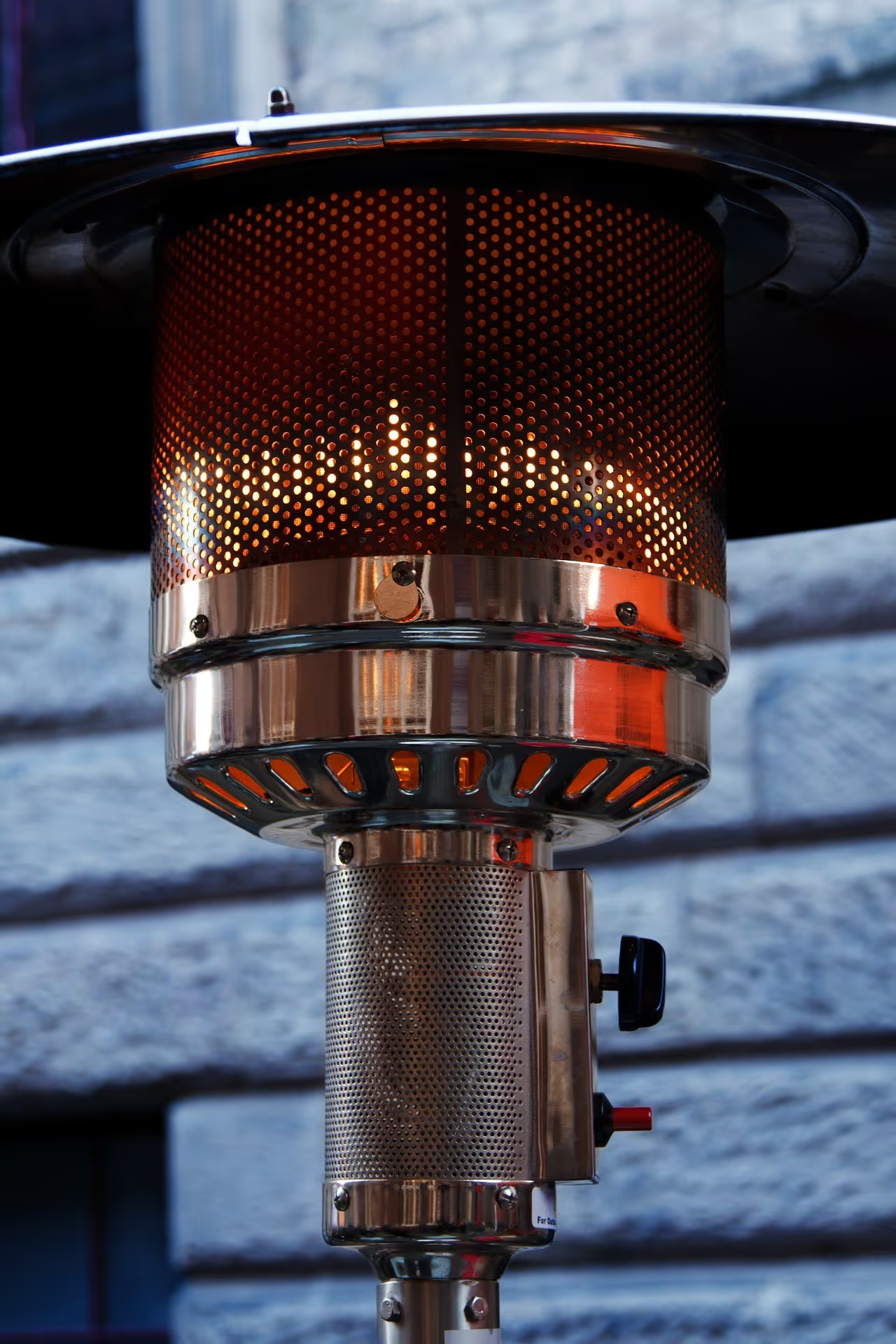
Patio heaters may pose safety risks when poorly manufactured or inadequately designed. Burn injuries from patio heater accidents can result in permanent scarring and debilitating pain, leaving victims facing overwhelming medical expenses and life-altering consequences.
Understanding Patio Heater Hazards
Multiple factors contribute to patio heater accidents. Tip-over incidents represent one of the most common failure modes, particularly with freestanding tower-style units.
When unstable bases or inadequate weight distribution cause heaters to topple, flaming components or heated surfaces contact skin or nearby combustible materials. The National Fire Protection Association emphasizes that heating equipment must incorporate automatic shut-off mechanisms to prevent fires when knocked over.
Gas leaks create explosive conditions around propane-fueled patio heaters. Deteriorated hoses or damaged regulators allow fuel to escape and accumulate near ignition sources. A single spark from lighting controls or nearby electrical equipment can trigger devastating explosions causing flash burns across exposed body areas.
Radiant heating elements in electric and gas models reach extreme temperatures during operation. Direct contact with unprotected heating surfaces causes immediate tissue damage. Inadequate guard designs fail to prevent accidental touching, particularly dangerous for children whose curiosity and lower height place them at increased risk.
According to the Consumer Product Safety Commission, thousands of emergency room visits annually involve heating equipment injuries, with outdoor patio heaters contributing significantly to these statistics.
Home space heaters and outdoor gas propane heaters are necessary for some in the colder winter months, when other heating sources are unavailable. Thousands of people use propane space heaters and patio heaters and don’t think twice about the safety and fire risks they present, however, when in fact these are the cause of many fire accidents and burn injuries each year.
Heating equipment is the direct cause of about 50,000 fire and burn accidents each year, leading to injuries and deaths, that should be prevented. Over 30 percent of home fires in the U.S. are caused by space heaters.
Patio heater accidents occur very commonly when heaters are not monitored, the appliance is defective, or when a child is allowed within a certain distance of the heater. Homes and businesses are at risk for patio heater accidents, and some basic safety precautions should be followed, including the following:
- Never leave a propane heater burning without supervision
- Create a 3-foot kid-free zone around the heater
- Install a carbon monoxide (CO) alarm inside buildings to monitor dangerous CO levels
- Use the proper type of fuel recommended by the manufacturer
- Keep the flame low to limit the risk of patio heater accidents
Joe Lyon is an experienced Burn Injury Lawyer and Consumer Safety Attorney reviewing defective space heaters, burn and fire risks, and premises liability cases for injured plaintiffs nationwide.
Patio Heater Accidents
Each year, many space heaters, propane heaters, gas heaters, and patio heaters are recalled due to design defects or a lack of warnings about the fire and burn risks involved with heating products.
Consumers have the right to purchase safe heating products, and manufacturers have a duty to properly warn people of the risks their products present. Should fires and burn injuries result from space heater or patio heater accidents, manufacturers or landlords may be liable for contributing to a hazardous living space.
Common Patio Heater Injuries
Thermal burns dominate patio heater injury cases. Superficial burns affect outer skin layers, causing painful redness and temporary damage. Partial-thickness burns penetrate deeper, creating blistering and potential scarring requiring medical treatment. Full-thickness burns destroy all skin layers, damaging nerves and connective tissues. These severe injuries demand surgical intervention, including debridement and reconstructive procedures.
Fire-related injuries extend beyond the immediate burn victim. Patio heaters igniting nearby structures, furniture, or landscaping create widespread property damage and endanger multiple individuals. Smoke inhalation injuries complicate recovery, causing respiratory damage requiring specialized pulmonary care.
Carbon monoxide poisoning occurs when propane patio heaters operate in enclosed or poorly ventilated spaces. This odorless gas causes headaches, nausea, confusion, and potentially fatal oxygen deprivation. The Centers for Disease Control and Prevention warns that carbon monoxide from combustion appliances represents a serious health hazard requiring adequate ventilation.
Experienced. Compassionate. Consumer Advocates
The Lyon Firm is a Cincinnati, Ohio-based law firm, representing individuals nationwide in class action, product liability, and toxic exposure litigation.

.avif)
Recoverable Damages in Patio Heater Cases
Compensation for patio heater burn injuries addresses both economic and non-economic losses. Medical expenses include emergency treatment, hospitalization, surgery, medications, physical therapy, and ongoing care for permanent injuries. Severe burns require extended treatment at specialized burn centers, with costs exceeding hundreds of thousands of dollars.
Lost income claims encompass wages missed during recovery and reduced future earning capacity if permanent disabilities limit work abilities. Vocational rehabilitation costs and job retraining expenses may be recoverable when injuries prevent returning to previous employment.
Non-economic damages compensate for pain, suffering, emotional distress, and diminished quality of life. Disfiguring scars affect self-confidence and social interactions, justifying substantial awards for psychological impacts. Loss of enjoyment of life damages address activities you can no longer perform due to permanent injuries.
Questions about Patio Heater Accident Cases

If you have been injured by a home heater or patio heater due to a defect in the product, contact an attorney to investigate.
Product liability lawsuits often contain causes of action for strict liability, negligence, and breach of warranty. Strict liability applies to different factors than negligence-based claims.
In negligence cases, the actions of the defendant are the focus. In strict liability claims, the focus is on the condition of a product at the time it left the manufacturer. If a product is determined to be defective, the company is liable for any foreseeable injuries that are in-part caused by the defective condition of the heater.
Liability depends on whether your use was reasonably foreseeable. Manufacturers must anticipate common misuses and design products to minimize harm even during improper operation. If your usage was completely unforeseeable and unreasonable, liability may be limited.
You may have claims against both the property owner for negligent installation or maintenance and the manufacturer for product defects. Multiple parties often share responsibility in commercial patio heater accidents, increasing potential compensation sources.
Photograph the accident scene, the heater’s position, your injuries, and any property damage. Preserve the defective heater and all components. Collect witness contact information. Keep all medical records, bills, and documentation of work absences. Do not repair or discard the heater.
Case duration varies significantly based on injury severity, liability disputes, and settlement negotiations. Simple cases may resolve within months, while complex litigation involving catastrophic injuries and contested liability can extend several years through discovery, expert analysis, and potential trial.
Burn Hazards Lawsuits
Request a Free Consultation
Taking the first step doesn’t have to be complicated. In just a few minutes, you can share the basics of your case, and our team will guide you from there:
- It begins with a few simple questions about your situation.
- From there, a member of our legal team reviews your case.
- Together, we’ll chart the path forward, helping you take the next step toward resolution.
