

Harbor Freight Tool Injury Investigation





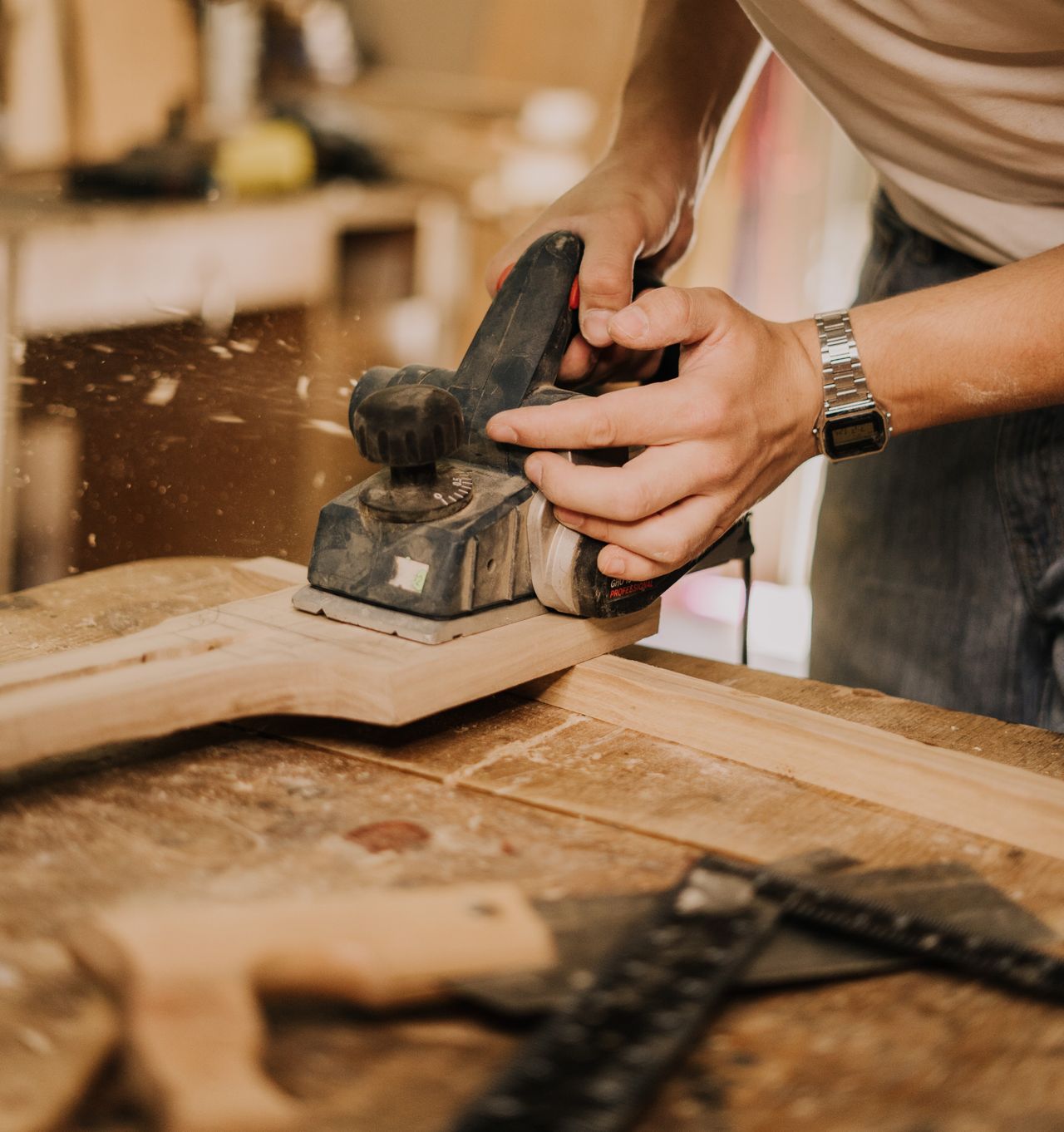
Harbor Freight Tools sells a wide range of power tools, automotive equipment, jack stands and other lifting devices and workshop accessories. While many customers use these products without incident, lawsuits, product recalls and numerous consumer complaints have raised questions about the safety of certain tools and equipment.
Contact the product defect lawyers at The Lyon Firm to learn more and to discuss filing an injury claim.
Reported incidents involve allegations of saw guards breaking, cutting wheels fracturing, automotive jacks collapsing and lifting equipment failing under load. Some complaints describe serious injuries, including lacerations and crush injuries. Other reports involve product malfunctions without a reported injury.
A product failure does not automatically establish that a manufacturer or retailer is legally responsible. However, when a tool allegedly fails during ordinary use and causes an injury, the circumstances may warrant investigation under product liability laws.
The Lyon Firm reviews potential product liability claims involving allegedly defective tools and equipment.
Harbor Freight Tool Injury Lawsuits and Reported Incidents
Several lawsuits and consumer reports have identified Harbor Freight products in connection with alleged injuries.
In one case, a plaintiff alleged that a Harbor Freight rotary cut-off wheel fractured during its first use, sending a piece of the wheel into his left eye after it passed beneath his face shield. The lawsuit reportedly alleged defective design and inadequate warnings, with the plaintiff claiming serious eye, head and brain injuries. These allegations have not been established as findings of fault.
A more recent lawsuit reported in April 2026 involved a Pennsylvania man who alleged that a plastic blade guard on a Harbor Freight miter saw shattered during use. According to the report, the exposed blade then cut his forearm, resulting in severe and permanent injuries.
Automotive lifting equipment has also been the subject of litigation. In April 2026, Robert Feezor filed a product liability lawsuit alleging that a Pittsburgh Automotive jack stand collapsed while he was working beneath a vehicle. He claims the failure pinned him under the vehicle and caused permanent disabling injuries. The case raises questions about the product's design, manufacturing and warnings, including the history of earlier jack stand recalls.
Another lawsuit, filed by Danny Baker in February 2026, concerns a Pittsburgh 2,000-pound-capacity low-profile transmission jack. Baker alleges that the jack's support plate suddenly tilted forward during its first use while holding a transmission weighing approximately 540 to 610 pounds. He claims the transmission crushed his hand and arm, causing a nearly severed thumb, a fractured wrist, vascular damage and other injuries. The complaint alleges design defects and inadequate warnings. Harbor Freight has not been found liable based on these allegations.
Consumer complaints also describe other equipment problems. A Better Business Bureau complaint involving a chainsaw-style carving or grinding disc alleged that the disc kicked back and rolled over the user's boot, fracturing a toe. A separate online report described a pair of flush cutters breaking during use, sending a fragment into the user's eye. These are individual consumer accounts, not court findings.
Harbor Freight Products Identified in Complaints and Lawsuits
The following products appear in the complaints and legal reports reviewed for this article. The descriptions distinguish alleged injury incidents from reports of equipment malfunction without a documented injury.
- Rotary cut-off wheel, three-piece set: Lawsuit allegations involving a fractured wheel and a reported eye injury.
- Miter saw with plastic blade guard: A 2026 lawsuit alleges the guard shattered and exposed the blade, causing a forearm injury.
- Pittsburgh Automotive jack stand: A 2026 lawsuit alleges the stand collapsed while a person was beneath a vehicle.
- Pittsburgh 2,000-lb Low-Profile Transmission Jack, item 60240: A lawsuit alleges the support plate collapsed forward, crushing the user's hand and arm.
- Carving or grinding disc, chainsaw-style: A BBB complaint alleges kickback and a fractured toe.
- Flush nips or cutters: An online consumer report describes a broken cutting tool fragment striking the user's eye.
- Pittsburgh 3-ton floor jack: Online complaints describe hydraulic fluid leakage and early product malfunction.
- Daytona transmission jack and motorcycle lift table: Consumer reports describe lifting, lowering or hydraulic pump problems.
Harbor Freight Product Recalls and Safety Notices
Government recall notices provide a separate source of information about identified product hazards. Several Harbor Freight products have been subject to recalls or safety notices involving potential injury risks.
- Pittsburgh Automotive pneumatic roller seats: In February 2022, the CPSC announced a recall of approximately 478,800 seats because the connection between the seat and post could break. Harbor Freight reported 96 broken-weld incidents, including 10 reports of minor injuries.
- Chicago Electric replacement miter-saw blade guard: A February 2023 CPSC recall covered certain replacement lower guards for 12-inch Chicago Electric miter saws. The guards could fail to adequately cover the blade or break during cutting. The CPSC reported one breakage incident and no injuries.
- Central Hydraulics high-position motorcycle lift: A safety recall warned that welds could develop fatigue cracks and tubing could be inadequate to repeatedly lift the rated load, potentially allowing the lift or its load to fall.
- Holt Industries manual fluid extractor and dispenser: A recall notice warned that a pressure-relief plug might fail to operate properly, allowing excessive pressure to build during dispensing.
- Portland 9 Amp 14-inch chainsaw: Harbor Freight published a safety notice for certain serial-numbered units because the main switch might fail to stop the chain after the trigger was released.
Earlier recalls involving Pittsburgh Automotive jack stands also remain relevant to the product's safety history. Those recalls concerned potential failures in the ratchet-and-pawl mechanism that could allow a stand to drop. They occurred in 2020 and should be distinguished from the more recent individual lawsuits alleging subsequent failures.
Consumers can check current notices through the Harbor Freight Recall and Safety page, the Consumer Product Safety Commission, and the National Highway Traffic Safety Administration. A recall does not establish liability in an individual injury case, but it may be relevant evidence when evaluating a product's history and potential safety issues.
When Can a Harbor Freight Tool Injury Lead to a Product Liability Claim?
Product liability law may provide a remedy when a defective product causes injury. Depending on the applicable state law and facts, a claim may involve a design defect, a manufacturing defect or inadequate warnings and instructions.
A design defect allegation generally concerns a product whose design creates an unreasonable safety risk, even when manufactured as intended. A manufacturing defect involves a product that departs from its intended specifications. Failure-to-warn claims may arise when instructions or warnings do not adequately explain foreseeable risks associated with use.
A product's failure alone is not always enough to establish a viable claim. Investigators may need to examine the tool, preserve broken components, evaluate the instructions and warnings, and determine whether the product was being used as intended. Medical records and other evidence may also be necessary to connect the alleged failure to the injury.
Experienced. Compassionate. Consumer Advocates
The Lyon Firm is a Cincinnati, Ohio-based law firm, representing individuals nationwide in class action, product liability, and toxic exposure litigation.

Handling Complex Data Privacy & Cyber Security Cases
Request A Free Consultation Now


Why Contact The Lyon Firm About a Harbor Freight Injury?
The Lyon Firm represents individuals in complex product liability and consumer protection matters. Our product injury investigations can review any questionable product, its design and manufacturing history, applicable safety standards, prior complaints, recall notices and the circumstances surrounding the incident.
The Firm evaluates potential claims involving defective products and allegedly inadequate safety warnings. Our attorneys represent individuals and businesses nationwide in complex litigation. Individuals who suffered an injury involving a Harbor Freight product may contact the Firm to discuss the circumstances of the incident.
Harbor Freight Tool Injury FAQs

A claim may be available if evidence shows that a defective design, manufacturing problem or inadequate warning caused the injury. The availability of a claim depends on the facts and applicable state law.
A recall is not a legal prerequisite to a product liability lawsuit. A product may be defective even if no government agency has issued a recall. Evidence about the product's design, manufacturing and warnings may still support an investigation.
Preserve the product and its components, take photographs, retain the packaging and instructions, and keep purchase and medical records. Avoid repairing or modifying the product before it can be examined. Seek appropriate medical care and consider speaking with a product liability attorney.
Defective Products Lawsuits
Request a Free Consultation
Taking the first step doesn’t have to be complicated. In just a few minutes, you can share the basics of your case, and our team will guide you from there:
- It begins with a few simple questions about your situation.
- From there, a member of our legal team reviews your case.
- Together, we’ll chart the path forward, helping you take the next step toward resolution.
