

Dupixent Lawsuit
Pharmaceutical Injury Attorneys Investigating CTCL Diagnoses After Dupixent Treatment


.avif)



If you took Dupixent for eczema and were later diagnosed with cutaneous T-cell lymphoma (CTCL), you may be trying to understand what the diagnosis means and whether your treatment could be connected to it.
In March 2025, the FDA publicly flagged a possible connection between Dupixent and cutaneous T-cell lymphoma in its quarterly report of potential safety signals. Multiple peer-reviewed studies have also reported higher rates of CTCL among patients treated with dupilumab. In June 2026, federal lawsuits involving these allegations were consolidated into multidistrict litigation in New Jersey.
The science remains unsettled. No court has found that Dupixent causes cancer, and researchers have not established that it does. Current research is examining whether Dupixent could unmask previously undiagnosed CTCL, accelerate an existing lymphoma, or be associated with diagnoses for another reason.
A Dupixent lawsuit may allege that Sanofi and Regeneron failed to adequately warn patients and physicians about a potential lymphoma risk. These allegations have not been proven, and the federal litigation remains in its early stages.
The Lyon Firm is investigating potential claims on behalf of people diagnosed with CTCL, mycosis fungoides, Sézary syndrome, and other T-cell lymphomas during or after Dupixent treatment. Our pharmaceutical injury attorneys can review your treatment history, diagnosis, and medical records to determine whether your circumstances may support a claim.
Diagnosed with CTCL, mycosis fungoides, or Sézary syndrome during or after Dupixent treatment? Call The Lyon Firm at (513) 381-2333 or contact us online for a free, confidential case review.
Important: Do not stop taking Dupixent or another prescribed medication based on information you read online. Stopping a biologic can carry medical risks. Talk with your prescribing physician or dermatologist if you have concerns about your treatment.
About Dupixent
Dupixent is the brand name for dupilumab, a biologic medication manufactured and marketed by Sanofi and Regeneron Pharmaceuticals.
The FDA first approved Dupixent in 2017 for moderate-to-severe atopic dermatitis. Its approved uses have since expanded to include additional inflammatory conditions.
Dupilumab works by inhibiting signaling pathways involving interleukin-4 and interleukin-13, proteins involved in inflammatory immune responses. Its ability to target these pathways has made it an important treatment option for patients whose conditions are not adequately controlled with other therapies.
The drug's prescribing information identifies its approved uses, warnings, precautions, and reported adverse reactions. Patients concerned about lymphoma or changes in their skin condition should discuss those concerns with the physician managing their treatment.
What Is Cutaneous T-Cell Lymphoma?
Cutaneous T-cell lymphoma is a rare type of cancer that begins in T lymphocytes, a type of white blood cell, and primarily affects the skin. The two most common forms are mycosis fungoides and Sézary syndrome.
CTCL can be difficult to identify early because its symptoms can resemble eczema. Patients may experience persistent patches, severe itching, scaling, plaques, or rashes that do not fully clear. Some people are treated for eczema for years before a biopsy leads to a lymphoma diagnosis.
That overlap is important when researchers evaluate patients diagnosed with CTCL after Dupixent treatment. In some cases, a person who appeared to have eczema could have had an undiagnosed lymphoma before receiving the medication.
For patients, changes in a long-standing skin condition can warrant a conversation with a dermatologist. New lesions, symptoms that behave differently from previous eczema, or a condition that stops responding as expected may lead a physician to recommend a biopsy or additional testing.
Why Are Doctors Investigating Dupixent and T-Cell Lymphoma?
Dermatologists began reporting cases involving patients diagnosed with CTCL during or after Dupixent treatment. Researchers have proposed several possible explanations, although none has been confirmed:
- Unmasking an existing lymphoma. Some patients may already have had undiagnosed CTCL that was mistaken for eczema. When Dupixent failed to control the condition, the lymphoma eventually became apparent.
- Progression of existing CTCL. Researchers are studying whether changes in immune signaling associated with the medication could affect malignant T-cells in someone who already has lymphoma.
- Increased detection. Patients taking specialty biologic medications may receive closer dermatological monitoring, increasing the likelihood that an existing cancer will be diagnosed.
Researchers have not established that Dupixent causes CTCL. The number of reports and findings across independent studies, however, has led specialists to recommend greater attention to patients whose presumed eczema behaves unusually or does not respond to treatment.
What Did the FDA Say About Dupixent and Lymphoma?
On March 31, 2025, the FDA added Dupixent to its quarterly list of Potential Signals of Serious Risks identified through the FDA Adverse Event Reporting System. The concern listed by the agency was cutaneous T-cell lymphoma, including mycosis fungoides and Sézary syndrome.
Placement on this list does not establish that a medication caused an adverse event. It means the FDA identified a potential safety signal in post-market data that warranted further investigation.
The FDA's action is relevant to the developing litigation because it publicly documented the potential safety concern. Plaintiffs also allege that Dupixent's labeling does not contain a specific warning concerning T-cell lymphoma.
Whether the manufacturers had sufficient information to warrant a warning, when they possessed that information, and whether the warnings provided to physicians and patients were adequate are among the issues that can be examined in pharmaceutical product liability litigation.
What Does the Research Show About Dupixent and CTCL?
Published research has reported an association between dupilumab treatment and CTCL diagnoses, while stopping short of establishing that the medication causes the disease.
Research to date has raised several areas of interest:
- Higher CTCL rates among Dupixent patients. A 2024 study of more than 1.1 million patients with atopic dermatitis found a higher risk of CTCL among those treated with dupilumab. The researchers identified an association, not proof that the drug caused the cancer.
- Diagnosis within months of starting treatment. A 2023 systematic review pooling 12 studies found that CTCL was typically diagnosed approximately 7.8 months after dupilumab treatment began.
- New or worsening skin lesions. A 2026 review found that new or worsening lesions appeared an average of about 8.9 months after patients started dupilumab.
- Mycosis fungoides was the most common subtype. Among CTCL cases identified in the 2026 review, approximately 72 percent involved mycosis fungoides and 11 percent involved Sézary syndrome. Other patients had different CTCL subtypes.
- FDA adverse-event reports have also drawn attention. Analyses of the FDA's adverse event database have identified disproportionate reporting of CTCL associated with dupilumab compared with other treatments used for similar conditions.
These findings have contributed to continued investigation into the relationship between Dupixent treatment and CTCL, including whether the medication could unmask or affect the progression of lymphoma that was already present.
Does Dupixent Cause Cancer?
Current research has not established that it does.
The question is complicated by the similarities between eczema and early CTCL. Someone may receive Dupixent because physicians believe persistent skin symptoms are caused by atopic dermatitis, only to receive a CTCL diagnosis later.
Researchers continue to examine several possible relationships. Dupixent could potentially unmask a lymphoma that had been misdiagnosed as eczema, affect the progression of CTCL that was already present, or simply be associated with increased detection among closely monitored patients.
The EORTC Cutaneous Lymphoma Tumour Group issued a statement in 2026 acknowledging the growing number of CTCL cases reported during or after dupilumab treatment. The group recommended a low threshold for biopsy and T-cell clonality testing when patients have unusual or treatment-resistant skin disease. It also advised against starting dupilumab when mycosis fungoides or Sézary syndrome is already suspected.
A 2026 expert panel similarly concluded that dupilumab may unmask or worsen CTCL that is already present and recommended reconsidering the diagnosis when a patient's skin disease appears atypical or fails to respond as expected.
Dupixent T-Cell Lymphoma and the Federal MDL
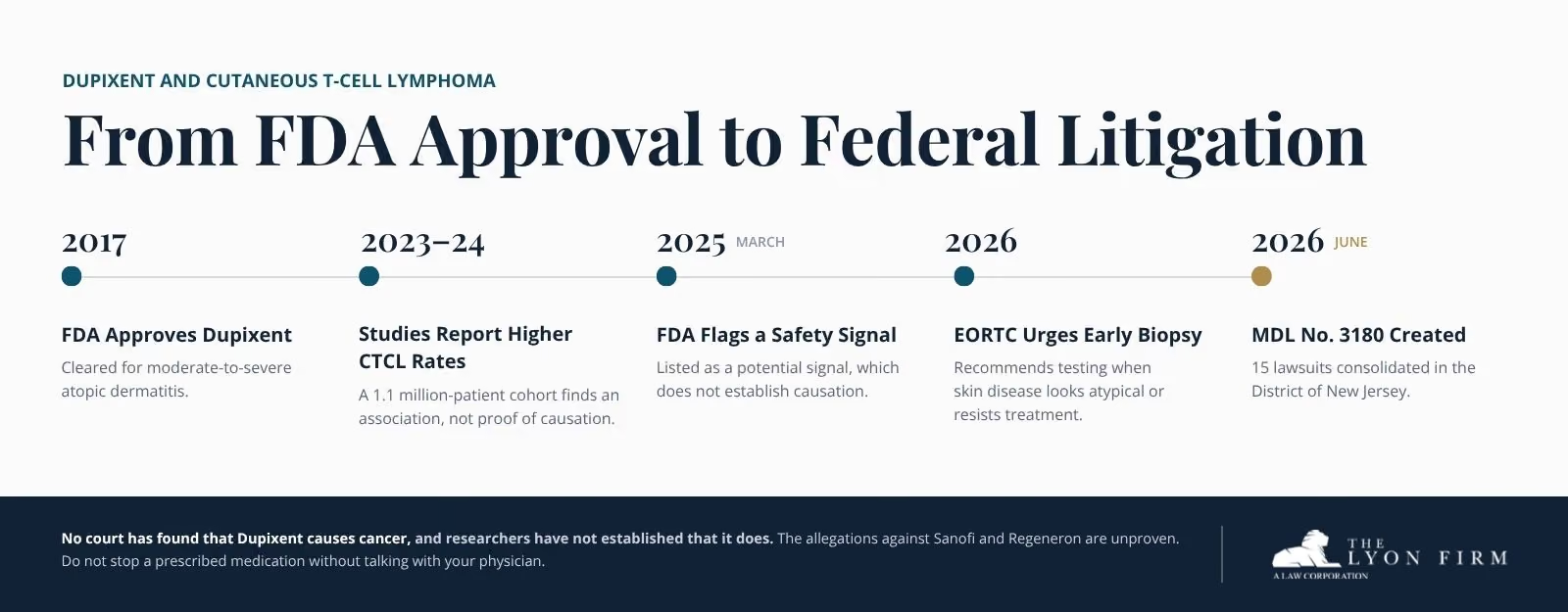
On June 4, 2026, the U.S. Judicial Panel on Multidistrict Litigation created MDL No. 3180, In re: Dupixent (Dupilumab) Products Liability Litigation, in the U.S. District Court for the District of New Jersey. Judge Zahid N. Quraishi is overseeing the proceedings.
At the time the MDL was created, 15 lawsuits filed across 12 federal districts were transferred into the proceeding, with additional cases identified as potential tag-along actions.
Plaintiffs allege that they developed CTCL after using Dupixent or that the medication accelerated an existing lymphoma. They also allege that Sanofi and Regeneron failed to adequately warn patients and healthcare providers about the potential risk.
An MDL allows federal lawsuits with common factual and legal questions to share discovery, expert testimony, and certain pretrial proceedings. Unlike a class action, each plaintiff retains an individual lawsuit and must establish the facts and damages associated with that person's claim.
No verdicts or settlements have been reached. The litigation remains in its early stages.
Were you diagnosed with CTCL after taking Dupixent? The Lyon Firm is investigating cases involving mycosis fungoides, Sézary syndrome, and other T-cell lymphomas. Call (513) 381-2333 or contact us online for a free, confidential consultation.
Who May Qualify for a Dupixent Lymphoma Lawsuit?
The developing litigation primarily involves people who took Dupixent and were later diagnosed with cutaneous T-cell lymphoma.
An attorney reviewing a potential claim will need to examine the individual treatment history rather than relying on the diagnosis alone. Relevant information can include:
- When you were diagnosed with eczema or atopic dermatitis
- When you started Dupixent
- How long you used the medication
- How your skin symptoms changed during treatment
- Whether new or unusual lesions developed
- When your first skin biopsy was performed
- What your pathology reports showed
- When you were diagnosed with CTCL, mycosis fungoides, or Sézary syndrome
- What cancer treatment you received following the diagnosis
Families who lost a loved one following a T-cell lymphoma diagnosis may also want an attorney to review the medical and treatment history.
You do not need a complete set of medical records before speaking with a lawyer. An attorney can obtain records from healthcare providers and pharmacies when necessary.
What Should You Do After a CTCL Diagnosis?
Your medical care comes first. Continue taking prescribed medications unless your physician tells you to stop or change treatment.
If you have been diagnosed with CTCL during or after Dupixent treatment, consider keeping the following information together:
- Talk with your dermatologist or treating physician. Discuss your diagnosis and any concerns you have about Dupixent. Your doctor can determine whether additional biopsies, T-cell clonality testing, or other evaluation is appropriate.
- Request your medical records. Obtain records from providers who treated your skin condition, particularly biopsy results, pathology reports, and dermatology records.
- Write down your treatment timeline. Include when you began Dupixent, changes you noticed while taking it, when symptoms became unusual or worsened, and when your physician first discussed CTCL.
- Keep prescription documentation. Save pharmacy records, insurance statements, prescription information, and other documents showing when Dupixent was dispensed.
- Preserve records related to your CTCL treatment. Keep information about oncology appointments, medications, procedures, hospitalizations, and other care following your diagnosis.
- Ask an attorney about filing deadlines. Legal deadlines vary by state. An attorney can determine which statute of limitations applies and how your diagnosis and treatment dates affect the time available to pursue a claim.
Legal deadlines can vary depending on where you live and when you were diagnosed. If you are considering a claim, speaking with an attorney early can help determine which filing deadline applies to your case.
Why Work With The Lyon Firm?
Pharmaceutical litigation can require extensive medical records, scientific research, pathology evidence, manufacturer documents, and expert testimony. Attorneys may need to reconstruct years of treatment to determine when symptoms began, how a condition was diagnosed, and what information was available about a potential drug risk.
The Lyon Firm represents individuals and families nationwide in pharmaceutical injury, product liability, and multidistrict litigation.
The firm's pharmaceutical litigation practice includes:
- More than two decades of experience with pharmaceutical injury and multidistrict litigation
- Nationwide representation of individuals and families in product liability cases
- Collaboration with medical experts when evaluating diagnoses and potential claims
- Free, confidential consultations
- Contingency fee representation, with no upfront attorney fees
The Lyon Firm can review your treatment history, diagnosis, medical records, and other available information to determine whether your circumstances warrant further investigation.
Experienced. Compassionate. Consumer Advocates
The Lyon Firm is a Cincinnati, Ohio-based law firm, representing individuals nationwide in class action, product liability, and toxic exposure litigation.

Handling Complex Data Privacy & Cyber Security Cases
Request A Free Consultation Now

.avif)
Talk to The Lyon Firm About a Dupixent Lawsuit
If you took Dupixent and were later diagnosed with cutaneous T-cell lymphoma, mycosis fungoides, Sézary syndrome, or another T-cell lymphoma, you may have questions about the emerging research and federal litigation.
The Lyon Firm is reviewing potential claims nationwide. Our pharmaceutical injury attorneys can examine your medical history, Dupixent treatment timeline, pathology findings, and diagnosis and explain whether your circumstances may support a claim.
Call The Lyon Firm at (513) 381-2333 or request a free, confidential case review online.
Dupixent Lymphoma Lawsuit FAQs

Do not discontinue Dupixent based solely on information you read online. Stopping a biologic can cause your underlying condition to flare. Talk with your prescribing physician about your concerns and whether any changes to your treatment are appropriate.
CTCL is a group of lymphomas involving malignant T-cells that primarily affect the skin. Mycosis fungoides is the most common form. Sézary syndrome is another form that can involve the skin, blood, and lymph nodes.
No. The federal cases have been consolidated into multidistrict litigation. The MDL coordinates common pretrial proceedings while allowing each plaintiff to retain an individual lawsuit.
The MDL was established in June 2026, but the claims being investigated involve treatment and diagnoses that occurred earlier. Your diagnosis date can affect filing deadlines, so an attorney will need to review your individual timeline.
The Lyon Firm offers free, confidential consultations. Pharmaceutical injury cases are handled on a contingency fee basis, so there are no upfront attorney fees and no attorney fee unless there is a recovery.
Pharmaceutical Injury Lawsuits
Request a Free Consultation
Taking the first step doesn’t have to be complicated. In just a few minutes, you can share the basics of your case, and our team will guide you from there:
- It begins with a few simple questions about your situation.
- From there, a member of our legal team reviews your case.
- Together, we’ll chart the path forward, helping you take the next step toward resolution.
