

Hinkle Yard Diesel Exposure Cancer | Railroad Injury Lawsuits
Railroad Occupational Lung Disease Claims


.avif)


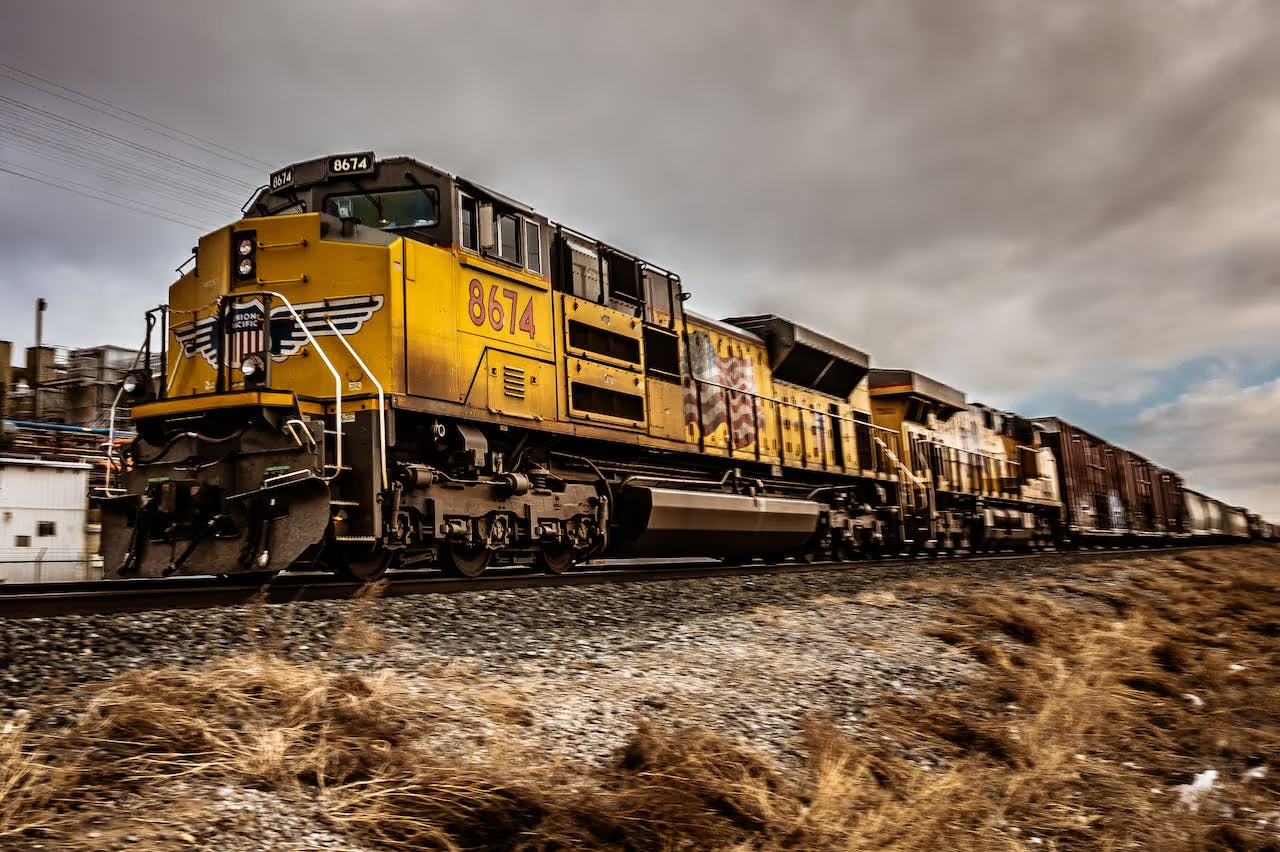
Railroad Injury Lawyers
Reviewing lung cancer and diesel exposure illness cases for former Union Pacific Hinkle Yard workers
Years after first working for a railroad outfit, many former workers suddenly fall ill and develop serious medical conditions related to chronic exposure to toxic materials like creosote, diesel exhaust, welding fumes, silica and benzene.
Careers with any railroad company were always considered more hazardous than other lines of work due to the nature of the industry. Rail yards can be full of heavy machinery moving about in different directions, and also full of chemicals that must be properly handled. Toxic materials have been used by railroads for over a hundred years, and many companies like Union Pacific still operate rail yards that have old, outdated mechanisms in place.
As a result, many workers at Hinkle Yard in Oregon, and many others around the nation have faced a daily assault of toxic exposure with solvents, fuels, welding fumes, diesel exhaust, silica, benzene, creosote and asbestos. A heavy dose of any toxin can greatly raise the risk of later developing certain cancers, the fate of thousands of former railroad workers.
Contact a toxic exposure lawyer at (513) 381-2333 to begin reviewing any workplace injury claims.
What Can I Recover in a Railroad Cancer Lawsuit?
Every railroad cancer claim will be unique because everyone’s work history and personal health issues will be different. The final settlement in each case will depend on how severe an illness is, and whether you are able to work in the future and need long-term disability coverage. Victims are encouraged to hire an attorney in these cases–ideally an attorney with significant proven success and relevant experience handling railroad injury and diesel exposure cancer lawsuits. Some damages that plaintiffs can seek in an injury claim include the following:
- Past medical costs
- Future coverage for surgery, treatment, medication and rehab
- Any costs that insurance will not cover
- Long-term disability
- Reduced quality of life
- Lost wages
- Loss of future earnings
- Wrongful Death
About Hinkle Yard
The Union Pacific Railroad’s Hermiston, Oregon Hinkle Yard is one of UP’s Locomotive Service and Repair facilities. There is a long history at Hinkle and the first locomotive shop and servicing facilities on site were constructed in 1951. Throughout the years, thousands of different employees passed through, including many mechanics, machinists, engineers, conductors, yardmen, carmen, brakemen, signal operators, maintenance staff and pipefitters. Many were likely exposed to a variety of toxic materials.
From 1977 to 1997, Hinkle served as an Amtrak stop along the Pioneer route which provided rail passenger service to Hermiston, Boardman, and Stanfield. The Hinkle Amtrak station is now closed.
What Kind of Cancer is Linked to Diesel Exposure?
Diesel exhaust has filled many rail yards, impacting almost anyone on site, and is considered a likely carcinogen by many health agencies. The following lung conditions and types of cancers are thought to be associated with chronic diesel exposure:
- Lung Cancer
- Bladder Cancer
- Esophageal Cancer
- Nasopharyngeal Cancer
- Stomach Cancer
- Kidney Cancer
- Acute Myeloid Leukemia (AML)
- Myelodysplastic Syndrome (MDS)
- Acute Lymphocytic Leukemia (ALL)
- Chronic Lymphocytic Leukemia (CLL)
- Non-Hodgkin’s Lymphoma
- Multiple Myeloma
- Aplastic Anemia
- COPD (Chronic Obstructive Pulmonary Disease)
- Emphysema
- RADS (Reactive Airways Dysfunction Syndrome)
- Interstitial Lung Disease
- Pulmonary Fibrosis
Many former Union Pacific workers at Hinkle or other rail yards in the West have filed lawsuits that claim their employer failed to properly warn them of the health risks of toxic exposure, failed to educate them on personal protection, and failed to provide and maintain good safety equipment.
If you or a loved one gets diagnosed with one of the conditions above after years of working at a rail station, you may choose to take legal action and file a personal injury lawsuit in addition to compensation under the Federal Employers Liability Act (FELA).
Who Was at the Highest Cancer Risk?
Nearly all railroad workers who spend time in the yard are exposed to some level of diesel exhaust fumes. Diesel remnants have been found on the person and clothing of many workers, suggesting that these individuals likely inhaled a good deal of the toxin as well. Not on diesel, but other industrial chemicals were part of the job, unfortunately. Creosote, benzene, silica and asbestos were also in many railroad components and machinery, placing many workers at risk, including the following:
- Mechanics
- Machinists
- Engineers
- Conductors
- Pipefitters
- Electricians
- Yardmen, Carmen, Brakemen
- Maintenance staff
Why Hire The Lyon Firm?
When you are looking for a work injury lawyer, you want a team of dedicated and experienced staff. We can proudly say we can give you the best chance at building a strong case against a former employer. We have 20 years of experience in filing toxic exposure claims on behalf of plaintiffs nationwide. Our results speak for themselves, as we have settled numerous cases for six and seven figures. We have the resources to take your case the distance, and we assume all the financial risk.
Experienced. Compassionate. Consumer Advocates
The Lyon Firm is a Cincinnati, Ohio-based law firm, representing individuals nationwide in class action, product liability, and toxic exposure litigation.

Handling Complex Data Privacy & Cyber Security Cases
Request A Free Consultation Now

.avif)
Why File a Work Injury Lawsuit?
Whether you have been badly injured on the job, and cannot continue to work in the same capacity, or you have retired and have fallen ill due to toxic exposures in the past, you have the option of filing a claim. It may not be anyone’s idea of a good time, but sometimes taking legal action is your only option to recover damages and find financial stability for the future. By filing a lawsuit, you can find justice, compensation, and you can make the railroad a safer place to work in the future.
Hinkle Yard Diesel Exposure FAQ

Our lawyers can quickly assess whether or not we think you have a good case. But the fact is that if you previously worked around toxic materials and later developed a related illness, you probably have a valid claim.
Companies around the country have a duty to protect workers, and OSHA has had safety guidelines in place for decades. If any employers violated safety standards and that resulted in an injury or illness, they may be held liable.
We have settled many work injury and workplace toxic exposure cases in the past, and we believe there are still many good cases out there waiting to file. Plaintiffs should not hesitate to call and learn more about the legal process. You may be able to settle your claim and solve many of the financial problems you are dealing with.
These are rather complex cases, and will likely require industry experts to draw a link between your specific work history and the medical condition you have been diagnosed with. We offer our services on a contingency fee basis, which means we only get paid if we win.
If you or a loved one need legal representation for a railroad cancer lawsuit, contact the Lyon Firm at (513) 381-2333 to get started on your claim today.
Railroad Lung Cancer Lawsuits
Request a Free Consultation
Taking the first step doesn’t have to be complicated. In just a few minutes, you can share the basics of your case, and our team will guide you from there:
- It begins with a few simple questions about your situation.
- From there, a member of our legal team reviews your case.
- Together, we’ll chart the path forward, helping you take the next step toward resolution.
