

Geneva Steel Asbestos Exposure | Mesothelioma Cancer Lawsuits
Filing Asbestos Cancer Claims on Behalf of Former Geneva Steel Workers


.avif)


Mesothelioma & Lung Cancer Lawsuits
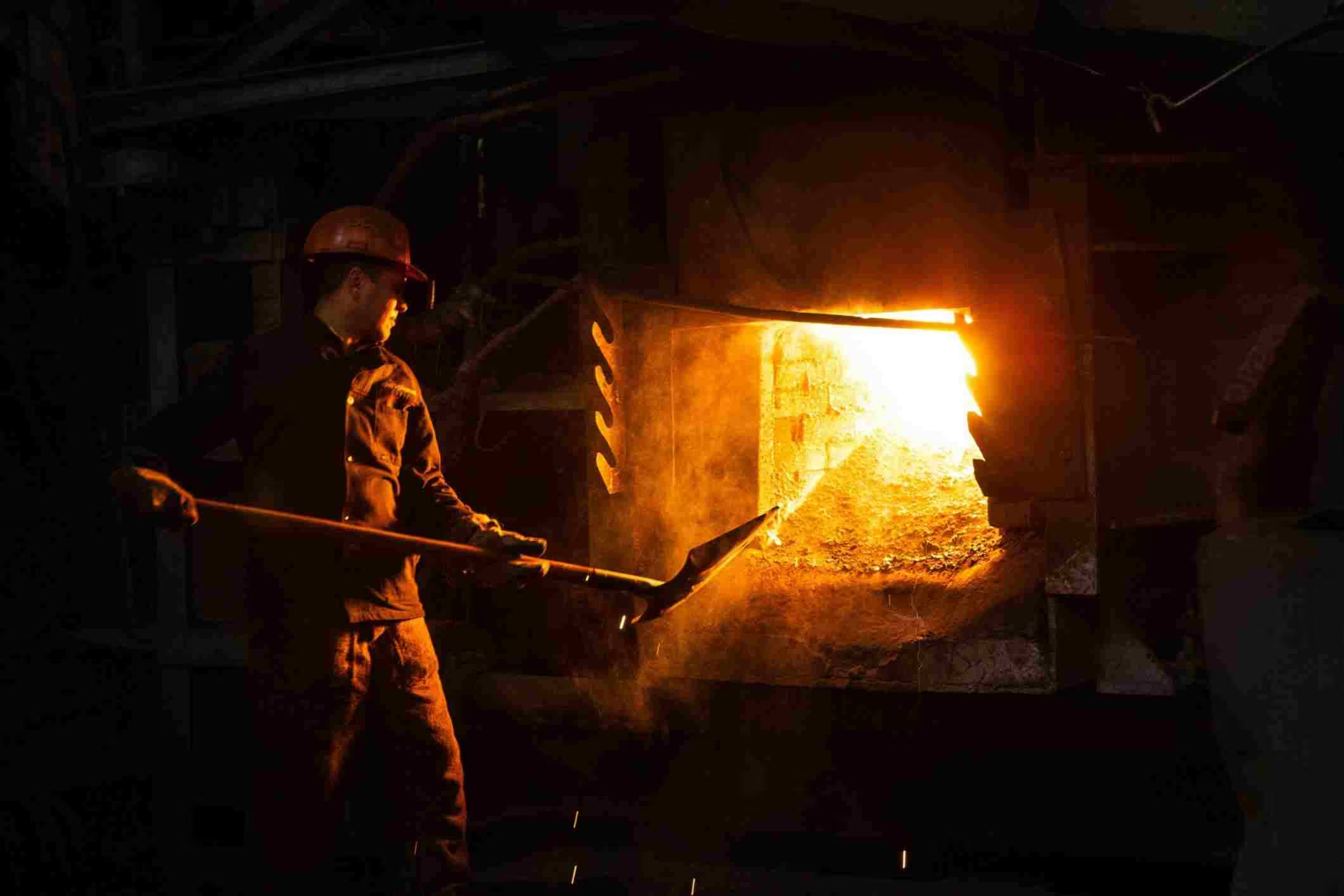
Steel mills have historically been hotspots for chronic toxic exposure and occupational cancer clusters, largely due to the huge amount of asbestos used in the construction of the facilities, as well as the asbestos insulation used in the protective gear many workers would wear in steel plants up until the 1970s when health experts began warning of the devastating impact these toxic materials could have on the personal health of millions of American workers.
Our asbestos cancer lawyers can assist you in pinpointing the source of your illness and can build a case against any negligent employer in work injury lawsuits. The Lyon Firm has been successful in settling numerous toxic exposure claims on behalf of former workers diagnosed with cancer years after their employment.
Toxic Exposure Lawyer Reviewing Asbestos Cancer Cases
Geneva Steel, a steel mill located in Vineyard, Utah, was once one of the largest integrated steel mills in the country. Raw materials were shipped into the plant by rail, processed into steel and steel products, and then reshipped back to the market.
The plant had on-site blast furnaces as well as rolling mill facilities for forming the steel into plate. At its peak production levels, many decades ago, Geneva Steel was the largest steel mill west of the Mississippi. U.S. Steel was operating the plant until 1987 when it was then sold to Geneva Steel Company.
For many years, critics complained that the plant was a major polluter and contaminated the grounds with arsenic, lead, zinc, nickel, acids, PCBs and petroleum products. Arsenic, ammonia, and benzene were also detected in groundwater monitoring wells around the area of the plant. Asbestos was used in the building materials, insulation of machinery and in protective equipment issued to many steel workers.
Experienced. Compassionate. Consumer Advocates
The Lyon Firm is a Cincinnati, Ohio-based law firm, representing individuals nationwide in class action, product liability, and toxic exposure litigation.

.avif)
What Asbestos Cancers Have Geneva Steel Workers Developed?
Almost any worker in a steel plant prior to the 1980s may have been exposed to several toxins at the workplace. Because of the long latency period between initial asbestos exposure and serious medical conditions like lung cancer, mesothelioma and asbestosis, most former workers are not diagnosed with an occupational cancer until many years later. When symptoms do present, victims may already be in the later stages of the following cancers and lung diseases:
- Mesothelioma
- Lung Cancer
- Esophageal Cancer
- Stomach Cancer
- Colorectal Cancer
- Bladder Cancer
- Asbestosis
- Pulmonary Fibrosis
Geneva Steel Asbestos FAQ

If you were exposed to asbestos at any work site, and later develop cancer or a related occupational lung disease, you are likely to qualify for a compensation package. Contact our legal team to begin reviewing your work history and medical records.
Asbestos was believed to be the best insulating material for steel plants before it became common knowledge that it was extremely hazardous to the health. It was cheap, durable, fire and heat resistant and was widely available.
According to a series of medical studies, workers in the metals and steel industry are at an increased risk for developing asbestos-related diseases. Workers that regularly inhale asbestos dust may eventually develop inflammation, severe scarring of the lungs, and fatal diseases like lung cancer or mesothelioma.
As a result of widespread occupational exposure to toxic substances like asbestos, many former workers are filing lawsuits to help compensate for their debilitating, and deadly illnesses.
For a typical steel mill worker, direct handling of machinery, equipment and material in steel plants exposed them to large amounts the toxic materials on a daily basis.
Asbestos was used to insulate equipment, which included the following:
- Ovens
- Hot blast stoves
- Furnaces
- Rolling mills
- Tanks
- Boilers
- Cranes
- Molding boards
- Steam Pipes
- Generators
Asbestos Verdicts & Settlements
Estate of Steve Thomas v. AK Steel Corporation, et al.
Summary: PHILADELPHIA COUNTY, Pennsylvania – Co-counsel represented the surviving spouse of a steel mill worker who developed mesothelioma after years of asbestos exposure on the job. The case resulted in a settlement exceeding $2.7 million.
Estate of William P. Bush v. AK Steel Corporation, et al.
Summary: MADISON COUNTY, Illinois – Co-counsel represented the family of a steel mill worker who suffered asbestos exposure that later led to mesothelioma. The case resulted in a settlement exceeding $2.3 million.
Asbestos Lawsuits
Request a Free Consultation
Taking the first step doesn’t have to be complicated. In just a few minutes, you can share the basics of your case, and our team will guide you from there:
- It begins with a few simple questions about your situation.
- From there, a member of our legal team reviews your case.
- Together, we’ll chart the path forward, helping you take the next step toward resolution.
