

Plumbers and Pipefitters Asbestos Exposure
Years spent around insulated pipes could lead to an asbestos diagnosis decades later.


.avif)


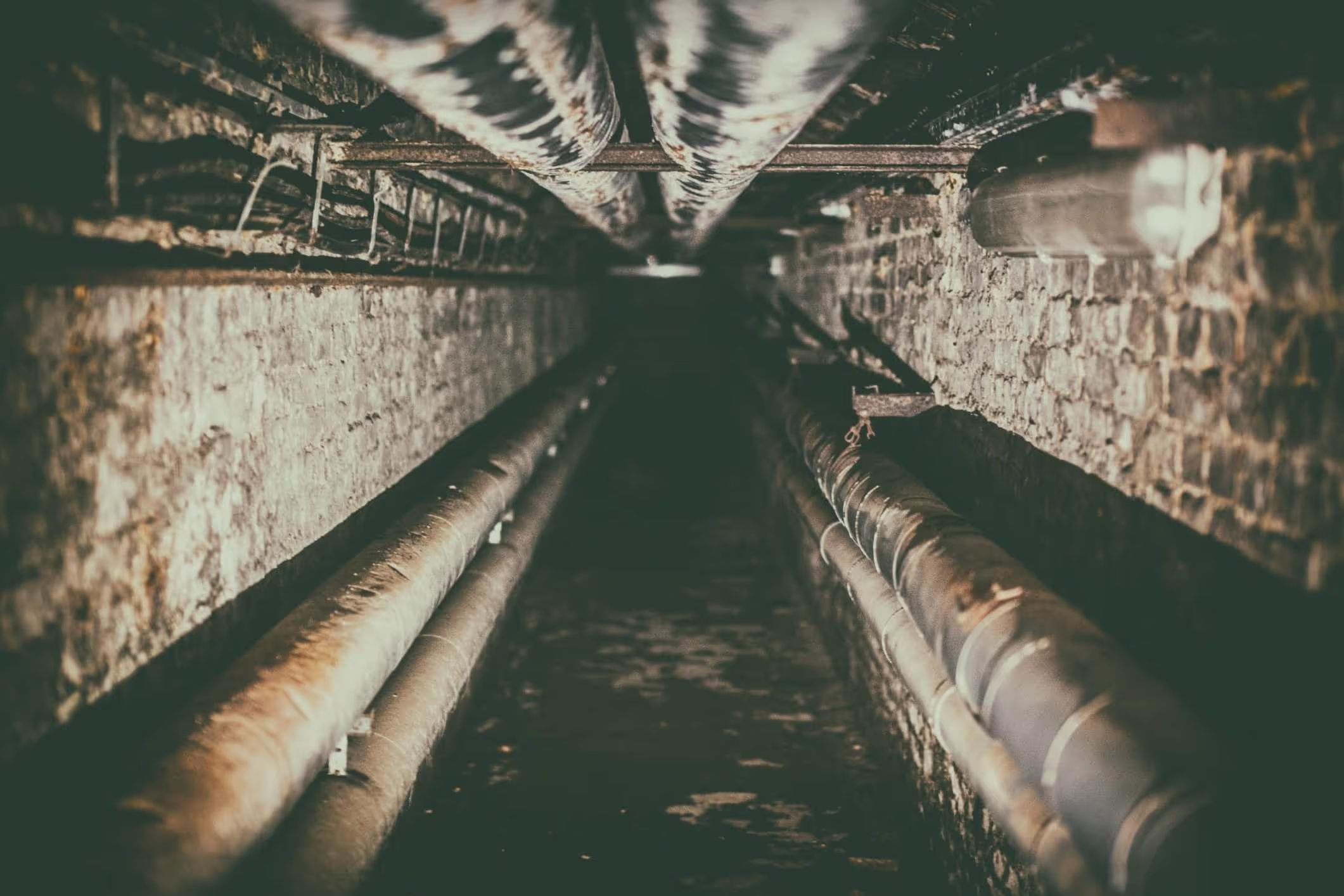
For much of the twentieth century, plumbers, pipefitters, and steamfitters worked around asbestos wherever pipes carried steam, hot water, chemicals, or other high-temperature materials.
In Ohio, that put workers at risk in steel mills, power plants, factories, refineries, construction sites, boiler rooms, and other industrial facilities.
For workers in these trades, plumbers and pipefitters asbestos exposure often occurred while installing, repairing, or removing insulated pipes and the equipment connected to them. Cutting into old pipe covering, replacing a gasket, opening a valve, or working beside another trade disturbing insulation could release asbestos fibers into the air.
Mesothelioma, lung cancer, and asbestosis can be diagnosed decades after the work that caused the exposure.
If you or someone in your family worked as a plumber, pipefitter, or steamfitter in Ohio and later developed an asbestos-related disease, call The Lyon Firm at (513) 381-2333 for a free consultation about your work history and legal options.
“Pipefitters and plumbers worked directly with many of the products we now know contained asbestos. When someone comes to us decades later with mesothelioma, we look closely at where they worked, what they handled, and which manufacturers supplied those jobsites.”
What Do Plumbers and Pipefitters Do?
Plumbers install and repair piping systems that carry water, sewage, and other materials through homes, schools, commercial buildings, and industrial facilities. Pipefitters and steamfitters generally work with the high-pressure systems found in factories, power plants, steel mills, refineries, and other industrial operations.
Their work frequently requires them to access pipes and mechanical equipment in boiler rooms, utility spaces, basements, tunnels, equipment rooms, and other confined areas.
Depending on the job, plumbers and pipefitters could be responsible for:
- Installing and repairing pipes
- Cutting and fitting pipe
- Connecting valves and pumps
- Maintaining boilers and steam systems
- Removing damaged pipe covering
- Replacing gaskets and packing
- Repairing leaks
- Welding pipe and fittings
- Performing maintenance during plant shutdowns
- Removing old materials before installing replacement equipment
Before the health risks of asbestos were widely addressed, many of those tasks brought workers directly into contact with asbestos-containing insulation and components.
How Were Ohio Plumbers and Pipefitters Exposed to Asbestos?
Pipe systems created numerous opportunities for exposure because asbestos was used both around the pipe and inside equipment attached to the system.
A worker replacing a section of pipe might first have to remove asbestos insulation. Repairs to pumps and valves could require scraping away old gaskets or packing. Insulating cement could be mixed and applied around joints, while deteriorating pipe covering released dust when cut or handled.
Exposure also occurred when other trades disturbed asbestos nearby. Plumbers and pipefitters frequently shared mechanical spaces with insulators, boilermakers, electricians, millwrights, and maintenance crews. In an enclosed boiler room or industrial work area, dust generated by one crew did not remain confined to that crew's immediate workspace.
Ohio's industrial history increased those opportunities. Pipefitters and plumbers worked throughout steel-producing areas such as Cleveland, Youngstown, Middletown, and Canton, as well as at power plants, chemical facilities, manufacturing plants, and construction projects across the state.
Which Plumbing and Pipefitting Materials Contained Asbestos?
Heat resistance made asbestos attractive for steam systems, boilers, and industrial piping. Products associated with plumbing and pipefitting work historically included:
- Pipe covering
- Block insulation
- Boiler insulation
- Insulating cement
- Gaskets
- Valve packing
- Pump packing
- Joint compounds
- Pipe coatings
- Welding materials
- Duct insulation
- Fireproofing materials
- Asbestos cloth and blankets
Workers sometimes handled these products directly. In other situations, the exposure occurred when an older asbestos material had to be removed before a repair could begin.
The risk did not end when installation was complete. As insulation aged, it could become damaged or brittle. Maintenance, renovations, equipment replacement, and demolition later disturbed materials that had been installed years earlier.
Asbestos Plumbing and Pipe Manufacturers
A plumbing or pipefitting asbestos claim could involve several manufacturers because an industrial piping system incorporated products supplied by different companies. The manufacturer of the pipe insulation might be different from the companies that supplied the gaskets, pumps, valves, packing, cement, or boiler components.
Manufacturers historically associated with asbestos-containing insulation and industrial products include:
- Armstrong
- Babcock & Wilcox
- Combustion Engineering
- Crane Co.
- Fibreboard
- Flexitallic
- Garlock
- Johns Manville
- Owens Corning
- Owens-Illinois
- Pittsburgh Corning
- United States Gypsum
Several of these manufacturers later established asbestos bankruptcy trusts to compensate people exposed to their products.
Identifying a product decades later does not rely solely on a worker remembering a brand name. Employment records, coworkers, jobsite information, prior asbestos litigation, purchasing records, and the worker's description of the materials used can help establish which products were present.
Health Risks of Asbestos Exposure
Asbestos fibers released during cutting, removal, repair, or maintenance are small enough to be inhaled. Once inhaled, some fibers remain in the body and contribute to diseases that develop years later.
Health conditions associated with occupational asbestos exposure include:
- Mesothelioma, a cancer affecting the lining of the lungs, abdomen, or other organs
- Lung cancer
- Asbestosis, which causes scarring of lung tissue
- Pleural plaques
- Pleural thickening
- Other asbestos-related respiratory disease
The long period between exposure and diagnosis is significant for former tradespeople. Someone diagnosed with plumbers and pipefitters mesothelioma in retirement could be tracing the disease back to work performed in Ohio several decades earlier.
Symptoms such as persistent coughing, shortness of breath, chest pain, unexplained weight loss, and fatigue should be discussed with a medical provider, particularly when there is a history of occupational asbestos exposure.
Diagnosed After a Career in the Trades?
You might remember the Ohio plants where you worked and the jobs you performed without knowing who manufactured the insulation, gaskets, or packing you handled.
Tell The Lyon Firm where you worked and what you remember doing. Call (513) 381-2333 to discuss whether those jobs could be connected to your diagnosis.
Are Pipefitters and Plumbers Still at Risk of Asbestos Exposure?
Yes. Although asbestos use has declined substantially, older buildings and industrial facilities can still contain asbestos materials installed decades ago.
Current plumbers and pipefitters are more likely to encounter those materials during maintenance, renovation, demolition, or equipment replacement. Old pipe insulation, boiler insulation, gaskets, cement, and other materials can remain in place until work disturbs them.
OSHA regulates occupational asbestos exposure and requires specific protections for work involving asbestos-containing materials. Those standards are especially relevant when workers repair or renovate older facilities where the presence of asbestos might not be obvious.
For retired Ohio tradespeople, however, the greatest exposure often dates to periods when asbestos-containing insulation and components were routinely used throughout industrial piping systems.
What Compensation Is Available for an Ohio Asbestos Claim?
A diagnosis tied to asbestos exposure plumbers and pipefitters experienced on the job could lead to claims against more than one responsible company. The available sources of compensation depend on the products involved, the worksites, the diagnosis, and the worker's employment history.
Potential compensation could come from:
- Lawsuits against asbestos product manufacturers and other responsible companies
- Asbestos bankruptcy trust funds
- Wrongful death claims brought after an asbestos-related death
- Workers' compensation in qualifying circumstances
- VA benefits when military asbestos exposure is also part of the worker's history
Compensation in an asbestos case could address medical expenses, lost income, pain and suffering, and other losses associated with the disease. Wrongful death claims could also seek losses suffered by surviving family members.
A Martindale-Nolo survey found that personal injury claimants represented by attorneys received average net payouts nearly three times higher than those who handled their claims without one. The survey covered personal injury cases generally, not asbestos claims.
Ohio Asbestos Claims and Filing Requirements
Ohio has specific laws governing asbestos claims. State law distinguishes claims involving nonmalignant asbestos conditions from later claims involving asbestos-related cancer, so resolving a nonmalignant claim does not necessarily eliminate a future cancer claim.
Ohio also requires plaintiffs in asbestos tort cases to provide detailed information about the alleged exposure. Current law requires disclosures addressing matters such as the worker's occupation, current and former employers and worksites, people knowledgeable about the exposure, asbestos-containing products attributed to defendants, and the locations connecting those products to the worker.
For a plumber or pipefitter whose exposure occurred decades ago, those requirements make the person's work history an important part of the case. Dates, Ohio jobsites, employers, coworkers, and the type of work performed can help reconstruct an exposure that occurred long before the diagnosis.
Why Choose The Lyon Firm for an Ohio Pipefitter or Plumber Asbestos Claim?
The Lyon Firm is based in Ohio and has recovered millions for families affected by occupational asbestos exposure, including:
- More than $3.27 million for the family of a steel worker exposed to asbestos at Ohio and Pennsylvania mills. His case involved pipe covering, block insulation, refractory cement, gaskets, packing, and other products from dozens of companies.
- More than $2.3 million for the family of a Middletown, Ohio steel worker who developed pleural mesothelioma. Joe Lyon met with the family at their home the same day they contacted the firm and continued visiting as the worker's health declined.
Joe also works with national asbestos counsel and product-identification resources built through prior litigation. That experience helps our team trace products used at Ohio jobsites decades ago, even when a former plumber or pipefitter no longer remembers the manufacturer.
Our firm has secured asbestos recoveries ranging from six figures to multiple seven figures, with tens of millions recovered overall.
“In a desperate life altering crisis, Joe Lyon quietly entered my life. My husband was losing battle with mesothelioma. Joe came respectfully, professionally, kindly and beneficially towards our family. I felt he was Heaven sent. It has been an honor to know and work with Joe.”
— Marlene Beal | Asbestos Client
Experienced. Compassionate. Consumer Advocates
The Lyon Firm is a Cincinnati, Ohio-based law firm, representing individuals nationwide in class action, product liability, and toxic exposure litigation.

.avif)
Talk With The Lyon Firm About Your Ohio Work History
You do not need to remember every manufacturer or product from a plumbing or pipefitting career that began decades ago. Your employers, Ohio jobsites, trade, coworkers, and the work you performed provide information our attorneys can use to look further.
Call The Lyon Firm at (513) 381-2333 or contact us online for a free consultation about your asbestos diagnosis and the jobs where you believe you were exposed.
FAQs About Plumbers and Pipefitters Asbestos Exposure

You might not know, and you are not expected to remember the label on insulation or a gasket you handled 30 or 40 years ago. Your employer, jobsite, years of employment, coworkers, and the type of equipment you maintained can provide useful information about the products used there.
Historical records and information developed through earlier asbestos cases can also help identify manufacturers associated with a particular facility or type of work.
Yes. Pipefitters and plumbers often worked beside insulators, boilermakers, maintenance crews, and other trades that cut or removed asbestos materials. Fibers released into a boiler room, mechanical area, or other enclosed workspace could be inhaled by people working nearby.
Exposure also occurred when plumbers and pipefitters removed old insulation themselves to reach pipes, valves, pumps, or other equipment that needed repair.
Historical exposure occurred at many types of Ohio workplaces, including steel mills, power plants, foundries, chemical facilities, manufacturing plants, refineries, construction projects, and large commercial buildings.
The specific facility matters because asbestos products varied by employer, contractor, equipment, and time period. A complete employment history helps narrow down which manufacturers supplied products to the places where you worked.
Yes. Asbestos dust could travel home on clothing, shoes, hair, tools, and other belongings. Family members who shook out or washed dusty work clothes could inhale fibers without ever entering the worker's jobsite.
Ohio asbestos law also specifically addresses certain claims involving exposure through another person's occupational asbestos exposure.
Include all of them when discussing your work history. Pipefitters often moved among construction projects, industrial facilities, shutdowns, and employers over the course of a career.
Different jobsites could involve products from different asbestos manufacturers. Reviewing the full history helps identify the companies and bankruptcy trusts connected to each period of exposure.
Surviving family members could have a wrongful death claim when mesothelioma or another asbestos-related disease results in death. Other compensation, including claims against asbestos bankruptcy trusts, could also remain available.
The available claims and filing deadlines depend on the circumstances, so families should have the worker's diagnosis and exposure history reviewed promptly.
Asbestos Verdicts & Settlements
Estate of Steve Thomas v. AK Steel Corporation, et al.
Summary: PHILADELPHIA COUNTY, Pennsylvania – Co-counsel represented the surviving spouse of a steel mill worker who developed mesothelioma after years of asbestos exposure on the job. The case resulted in a settlement exceeding $2.7 million.
Estate of William P. Bush v. AK Steel Corporation, et al.
Summary: MADISON COUNTY, Illinois – Co-counsel represented the family of a steel mill worker who suffered asbestos exposure that later led to mesothelioma. The case resulted in a settlement exceeding $2.3 million.
Asbestos Lawsuits
Request a Free Consultation
Taking the first step doesn’t have to be complicated. In just a few minutes, you can share the basics of your case, and our team will guide you from there:
- It begins with a few simple questions about your situation.
- From there, a member of our legal team reviews your case.
- Together, we’ll chart the path forward, helping you take the next step toward resolution.
