

Ohio Steel Mill Workers Mesothelioma Claims
Mesothelioma & Lung Cancer Lawsuits for Former Ohio Steelworkers.


.avif)


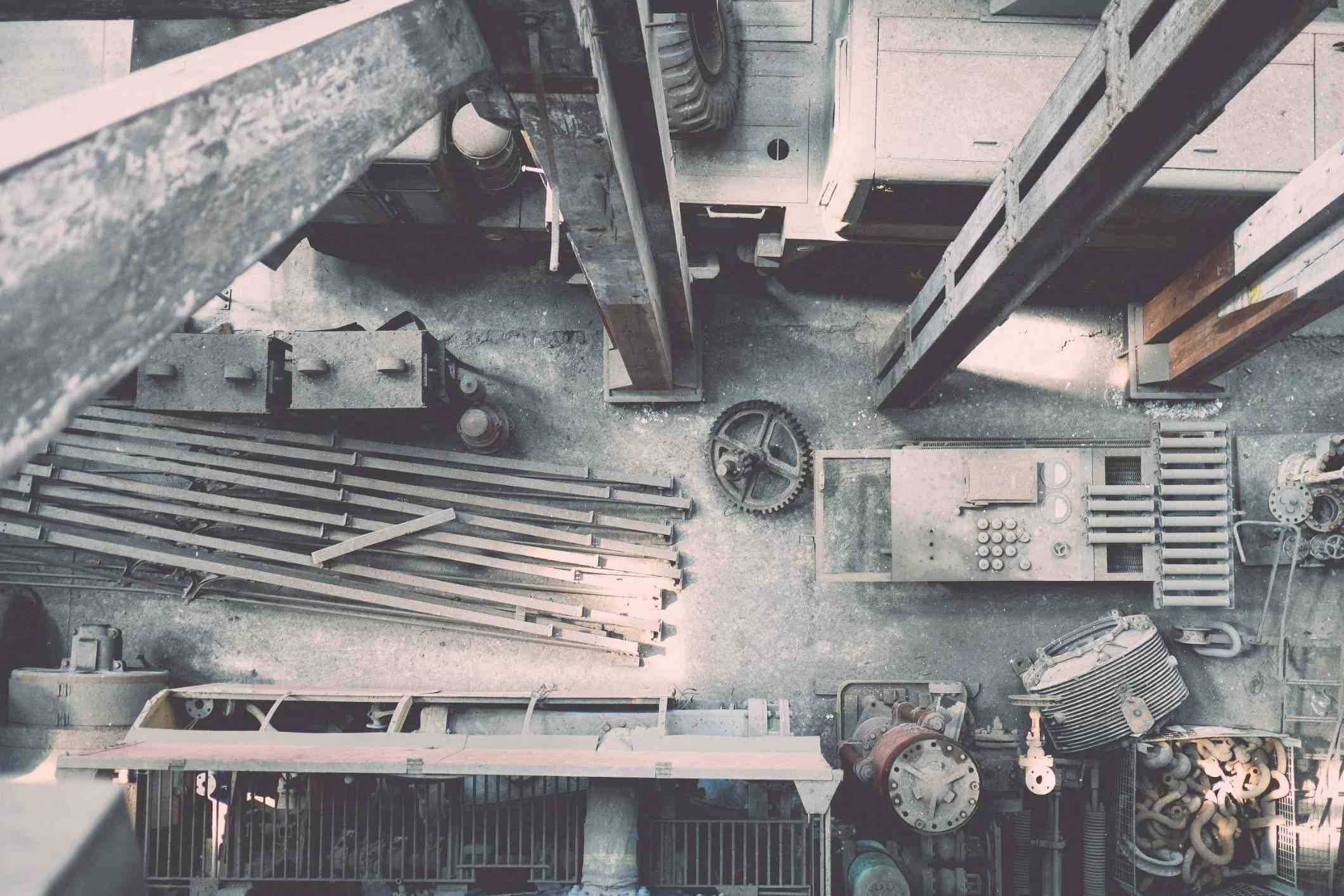
Decades of Asbestos Exposure in Ohio Steel Mills
Ohio's steel industry relied heavily on asbestos throughout much of the twentieth century.
Workers at steel mills in cities like Lorain, Youngstown, Cleveland, Middletown, Massillon, Canton, Warren, and Mansfield often worked around asbestos-insulated furnaces, boilers, steam lines, and other high-temperature equipment without knowing the health risks.
Today, many former steelworkers have been diagnosed with mesothelioma, lung cancer, asbestosis, and other asbestos-related diseases decades after their exposure. Ohio steel mill workers mesothelioma claims often require identifying where the exposure occurred, the asbestos-containing products involved, and the companies responsible.
The Lyon Firm represents individuals and families nationwide in asbestos litigation and has extensive experience investigating occupational exposure that occurred years ago.
If you or a loved one worked at an Ohio steel mill and later developed an asbestos-related illness, call (513) 381-2333 or contact The Lyon Firm online for a free, confidential case review.
"Companies knew asbestos could cause serious disease long before many workers received warnings or protective equipment. Every worker deserves answers about where the exposure occurred and whether compensation may be available."
Joseph Lyon, Attorney | The Lyon Firm
What Do Steelworkers Do?
Steel production requires workers to operate, repair, and maintain equipment capable of reaching extremely high temperatures. Throughout much of the twentieth century, asbestos was considered an ideal industrial material because it resisted heat, insulated machinery, and reduced the risk of fire. As a result, asbestos became deeply integrated into many areas of steel manufacturing.
Depending on the facility, steelworkers may have performed duties involving:
- Operating blast furnaces and basic oxygen furnaces
- Casting and finishing steel products
- Maintaining boilers and steam systems
- Repairing rolling mills and heavy machinery
- Installing or replacing insulation around high-temperature equipment
- Welding, pipefitting, machining, and fabrication
- Performing electrical maintenance
- Cleaning equipment during plant shutdowns and maintenance outages
Many employees never handled raw asbestos directly. Maintenance work performed nearby or deteriorating insulation throughout the facility could release microscopic fibers into the air, exposing workers across multiple departments.
How Were Steel Mill Workers Exposed?
Throughout much of Ohio's manufacturing history, asbestos appeared in thousands of industrial products because of its ability to withstand intense heat and friction.
Inside steel mills, these materials gradually aged, cracked, and deteriorated. Routine maintenance often disturbed asbestos-containing insulation, allowing fibers to become airborne where employees breathed them in.
Common sources of Ohio steel mill workers asbestos exposure included:
- Pipe insulation
- Boilers and furnaces
- Steam lines
- Refractory brick and cement
- Industrial ovens
- Rolling mills
- Pumps and valves
- Gaskets and packing materials
- Heat-resistant gloves, aprons, and protective clothing
- Ceiling tiles, floor tiles, and insulation throughout plant buildings
Maintenance shutdowns frequently created the highest exposure levels. Removing old insulation, replacing worn gaskets, repairing furnaces, or tearing out refractory materials released significant amounts of asbestos dust into enclosed work areas.
Pipefitters, welders, electricians, boilermakers, millwrights, insulators, mechanics, laborers, and cleanup crews often worked alongside one another, meaning exposure extended well beyond the employees performing insulation work.
Workers also carried asbestos fibers home on their clothing, boots, tools, and vehicles. Family members who regularly handled contaminated work clothes have later developed mesothelioma despite never working inside a steel mill themselves.
Do Modern Steel Mills Have Asbestos?
The use of asbestos has declined significantly since the late twentieth century, but that does not mean it has disappeared entirely. Many older industrial facilities continued operating long after asbestos-containing materials were installed.
As insulation, refractory products, floor tiles, pipe coverings, and other building materials age, they can become damaged during renovations, repairs, or demolition.
Federal workplace regulations now require employers to identify asbestos hazards, train employees, and follow strict procedures when asbestos-containing materials are disturbed. Licensed abatement professionals typically remove asbestos before major renovation or demolition projects begin.
Most mesothelioma claims today involve exposure that occurred decades ago, often between the 1940s and the early 1980s. Because asbestos-related diseases have such long latency periods, many retired steelworkers are only now receiving diagnoses linked to work they performed years earlier.
Workers involved in maintaining or renovating older industrial facilities may still encounter asbestos if proper safety procedures are not followed.
Illnesses Connected to Asbestos
Asbestos exposure has been linked to several serious diseases, many of which develop slowly over decades. Symptoms often do not appear until 20 to 50 years after exposure, making it difficult for former steelworkers to connect a current diagnosis to work performed earlier in their careers.
Common asbestos-related illnesses include:
Mesothelioma
Mesothelioma is an aggressive cancer affecting the lining surrounding the lungs, abdomen, heart, or testes. Medical experts recognize asbestos as the only established cause of mesothelioma. Even relatively brief occupational exposure may contribute to the disease.
Lung Cancer
Workers exposed to asbestos have a significantly higher risk of developing lung cancer, particularly those who also smoked cigarettes. However, many non-smokers have also developed asbestos-related lung cancer after years of occupational exposure.
Asbestosis
Asbestosis is a progressive lung disease caused by inhaling asbestos fibers. The fibers create permanent scarring within the lungs, making it increasingly difficult to breathe. While there is no cure, early diagnosis and medical treatment may help manage symptoms.
Pleural Disease
Many former steelworkers develop pleural plaques, pleural thickening, or pleural effusions. Although these conditions are not cancer, they often indicate significant asbestos exposure and may cause breathing difficulties or chest discomfort.
Other Cancers
Research has also linked asbestos exposure to cancers involving the larynx and ovaries, with ongoing studies evaluating associations with additional cancers affecting the digestive tract.
Former Ohio steelworkers should discuss any occupational asbestos exposure with their physicians, particularly if they experience:
- Persistent shortness of breath
- A chronic cough
- Chest pain or tightness
- Unexplained weight loss
- Fatigue
- Recurring respiratory infections
Providing a complete occupational history helps physicians determine whether specialized imaging or additional testing is appropriate.
A mesothelioma diagnosis may be linked to work performed decades ago. The Lyon Firm helps former Ohio steelworkers investigate asbestos exposure and pursue compensation. Call (513) 381-2333 for a free, confidential consultation or contact us online.
Ohio Steel Mills Linked to Asbestos Litigation
Many facilities across Ohio have been identified in asbestos litigation involving former employees, contractors, and maintenance personnel. While every case depends on the individual's work history and exposure, claims have involved facilities such as:
- U.S. Steel Lorain Tubular Operations – Lorain
- Republic Steel – Massillon, Canton, Warren, Niles, and Lorain
- Armco / AK Steel – Middletown
- Youngstown Sheet & Tube – Youngstown
- Midland Steel – Cleveland
- Empire-Reeves / Detroit Steel Corporation – Mansfield
- Dayton Malleable Iron – Ironton
- Atlantic Foundry – Akron
These facilities relied on boilers, furnaces, steam systems, refractory materials, and other equipment that historically incorporated asbestos-containing products. Maintenance personnel, pipefitters, electricians, millwrights, insulators, welders, machinists, and laborers often worked in close proximity to deteriorating insulation and equipment during repairs.
Many former workers have since filed Ohio steel mill workers asbestos claims after developing mesothelioma, lung cancer, asbestosis, or other occupational illnesses.
Every case depends on the worker's diagnosis, employment history, and the asbestos-containing products involved, but documenting where and when exposure occurred is often one of the first steps in pursuing compensation.
Compensation Available for Former Ohio Steelworkers
A diagnosis of mesothelioma or another asbestos-related illness can create significant medical expenses, lost income, and uncertainty about the future.
While no amount of compensation can undo the effects of asbestos exposure, pursuing a claim may help families recover financial support for treatment and other losses.
Depending on the facts of the case, compensation may be available through:
- Personal injury lawsuits against manufacturers of asbestos-containing products
- Wrongful death claims filed by surviving family members
- Asbestos bankruptcy trust funds established by former manufacturers
- Settlements reached before trial
- Jury verdicts in cases that proceed to court
- Veterans benefits for eligible military veterans whose exposure occurred during service
Many asbestos claims involve exposure that happened decades ago. Our attorneys work to reconstruct employment histories, identify asbestos-containing products used at a facility, and determine which companies may still be legally responsible.
What Are Your Rights?
Workers were entitled to reasonably safe workplaces, even during the years when asbestos was commonly used throughout heavy industry. As medical evidence linking asbestos to serious disease became stronger, manufacturers and employers had increasing responsibilities to protect workers from unnecessary exposure.
If you were diagnosed with mesothelioma, lung cancer, asbestosis, or another asbestos-related disease after working in an Ohio steel mill, you may have the right to pursue compensation from companies that manufactured, supplied, or distributed asbestos-containing products.
Every claim is different, but important factors often include:
- Your medical diagnosis
- Where and when you worked
- The products you were exposed to
- Whether the applicable filing deadline has expired
An Ohio steel workers mesothelioma lawsuit often depends on employment records, coworker testimony, medical documentation, and expert analysis connecting a diagnosis to occupational asbestos exposure. Because evidence becomes more difficult to obtain as time passes, speaking with an attorney soon after diagnosis can help preserve important records.
Why Choose The Lyon Firm?
Asbestos litigation is unlike most personal injury cases. It requires investigating worksites that operated decades ago, identifying asbestos-containing products that are no longer manufactured, locating historical employment records, and working with medical and occupational experts to establish how exposure occurred.
The Lyon Firm has represented individuals and families nationwide in complex asbestos litigation and understands the detailed investigation these cases require.
Experience
Joseph Lyon has nearly two decades of experience representing plaintiffs in asbestos, toxic tort, and complex personal injury litigation across the United States. The firm works with nationally recognized experts to identify occupational exposure histories and build compelling cases on behalf of injured workers and their families.
Resources
Building a successful asbestos claim often requires extensive investigation. The Lyon Firm assists clients with obtaining employment records, identifying asbestos-containing products, consulting medical experts, and preparing the evidence necessary to pursue compensation.
Results
Joe Lyon has recovered numerous six- and seven-figure settlements on behalf of asbestos victims and their families. While every case is unique and past results do not guarantee future outcomes, the firm's experience allows it to effectively pursue claims involving decades-old occupational exposure.
Proudly Representing Ohio Residents
Experienced. Compassionate. Consumer Advocates
The Lyon Firm is a Cincinnati, Ohio-based law firm, representing individuals nationwide in class action, product liability, and toxic exposure litigation.

.avif)
Speak With an Ohio Mesothelioma Attorney
If you or someone you love worked at an Ohio steel mill and later developed mesothelioma, lung cancer, asbestosis, or another asbestos-related illness, you do not have to investigate your case alone.
The Lyon Firm represents workers and families nationwide, helping identify where exposure occurred and pursuing compensation from the companies responsible.
Your consultation is free and confidential, and you pay no attorney fees unless compensation is recovered on your behalf. Call (513) 381-2333 or contact The Lyon Firm online to discuss your potential claim with an experienced asbestos attorney.
Frequently Asked Questions About Ohio Steel Mill Asbestos Exposure

Steel manufacturing involves extreme heat, steam, and heavy industrial equipment. For much of the twentieth century, asbestos was widely used because it resisted fire, insulated high-temperature equipment, and reduced heat transfer. It appeared in boilers, furnaces, steam pipes, refractory materials, gaskets, packing, protective clothing, and countless other industrial products before the health risks became widely recognized.
Yes. Many workers unknowingly carried asbestos fibers home on their clothing, boots, tools, and vehicles. Family members who regularly handled contaminated work clothes have later been diagnosed with mesothelioma and other asbestos-related illnesses despite never working inside a steel mill themselves.
Mesothelioma has one of the longest latency periods of any occupational disease. Symptoms typically develop between 20 and 50 years after asbestos exposure, which is why many retired steelworkers receive a diagnosis decades after leaving the job.
In many cases, yes. Even if a steel mill no longer operates, claims may still be brought against manufacturers of asbestos-containing products or through established asbestos bankruptcy trust funds. Our attorneys can investigate your employment history to determine what legal options may still be available.
Asbestos Verdicts & Settlements
Estate of Steve Thomas v. AK Steel Corporation, et al.
Summary: PHILADELPHIA COUNTY, Pennsylvania – Co-counsel represented the surviving spouse of a steel mill worker who developed mesothelioma after years of asbestos exposure on the job. The case resulted in a settlement exceeding $2.7 million.
Estate of William P. Bush v. AK Steel Corporation, et al.
Summary: MADISON COUNTY, Illinois – Co-counsel represented the family of a steel mill worker who suffered asbestos exposure that later led to mesothelioma. The case resulted in a settlement exceeding $2.3 million.
Asbestos Lawsuits
Request a Free Consultation
Taking the first step doesn’t have to be complicated. In just a few minutes, you can share the basics of your case, and our team will guide you from there:
- It begins with a few simple questions about your situation.
- From there, a member of our legal team reviews your case.
- Together, we’ll chart the path forward, helping you take the next step toward resolution.
