
Nuflos Complaints: What Consumers Should Know About Automatic Refills
October 7, 2026


The data privacy lawyers at The Lyon Firm are investigating claims of misconfigured healthcare devices data breach incidents. Medical data exposure can cause create opportunities for fraud, and even lead to medical identity theft attempts when the exposed information involves sensitive health data.
In many cases, such exposures happen because hospitals and clinics failed to implement basic cybersecurity safeguards, which may constitute negligence under the law. Contact our legal team to consider filing a privacy violation claim and to learn more about how to protect your data.
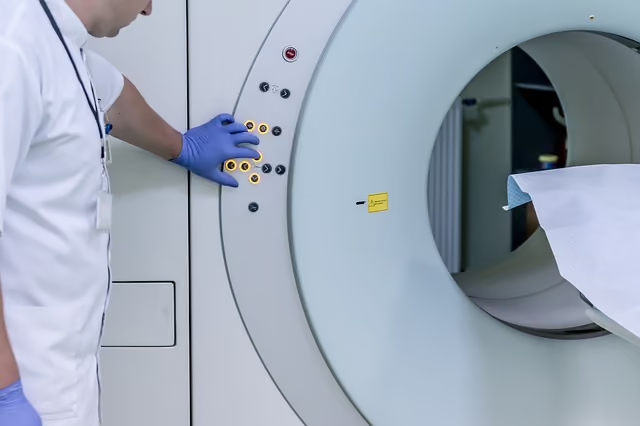
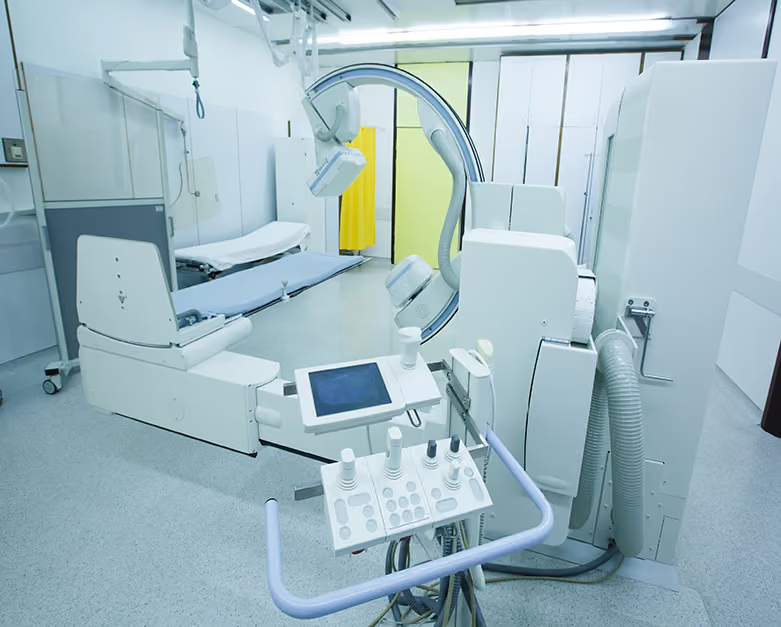
In August 2025, cybersecurity firm Modat revealed that more than 1.2 million internet-connected medical systems, including MRI scanners, X-rays, CT devices, DICOM viewers, blood-test systems, and hospital management platforms, were misconfigured and accessible online, potentially leaking sensitive patient data.
The investigation detected sensitive medical information accessible through these vulnerable devices:
If you are a patient affected by a medical device data breach, or a healthcare provider facing claims, understanding your legal rights and responsibilities is crucial. Our law firm assists victims nationwide in data privacy lawsuits, holding negligent parties accountable.
Modern healthcare depends on connected devices like patient monitoring systems and infusion pumps. If these devices are misconfigured they become an open door for hackers. Misconfiguration can allow cybercriminals to access protected health information (PHI) without authorization and maybe interfere with critical medical functions.
Patients in these cases may suffer medical identity theft and denial of care due to corrupted records.

Healthcare providers and IT teams face mounting pressure to connect devices quickly. However, speed often comes at the expense of security. The most frequent misconfiguration issues include:
The Health Insurance Portability and Accountability Act (HIPAA) requires healthcare providers to secure patient data at all times. Failure to configure devices properly may be considered a breach of the HIPAA Security Rule.
Regulators have been aggressive in pursuing enforcement actions, with settlements often reaching millions of dollars. Hospitals and third-party IT contractors can share legal responsibility.
Using its Magnify scanning platform, Modat located over 1.2 million exposed healthcare devices.
Researchers found fully accessible MRI brain scans annotated with patient names and dates, eye exam results, dental X-rays, blood test results, and lung imaging for cancer patients.
Common causes of the exposures included default or weak passwords like “admin” or “123456,” outdated or unpatched software, misconfigurations, and inadequate authentication.
Weak authentication, lack of encryption, insecure network access, and missing software patches all compound the danger, allowing unauthorized access.
Regular patch management is critical, particularly for devices running legacy operating systems that may no longer receive vendor updates. Providers should work with cybersecurity teams to deploy compensating controls, such as isolating vulnerable devices from the broader network through segmentation and firewall rules. Deploying continuous network monitoring and intrusion detection systems can help detect suspicious activity early, reducing the window of exposure.
Equally important is training staff on cybersecurity best practices. Even the most secure technical controls can be undermined by human error, such as weak password practices or falling victim to phishing attacks.
A qualified healthcare data privacy attorney can investigate whether your data was improperly accessed and help you pursue claims for damages. Compensation may cover the financial costs of identity theft protection and also the emotional harm caused by the breach.
Legal action can also pressure healthcare providers to strengthen their security measures, protecting future patients from similar harm. If you suspect that your personal medical information has been exposed, contact The Lyon Firm now for a free consultation.
The Lyon Firm is a Cincinnati, Ohio-based law firm, representing individuals nationwide in class action, product liability, and toxic exposure litigation.

Taking the first step doesn’t have to be complicated. In just a few minutes, you can share the basics of your case, and our team will guide you from there: