

Anoxic Brain Injury | Medical Malpractice
Medical Malpractice Attorney Representing Plaintiffs Nationwide in Anoxic Brain Injury Cases


.avif)


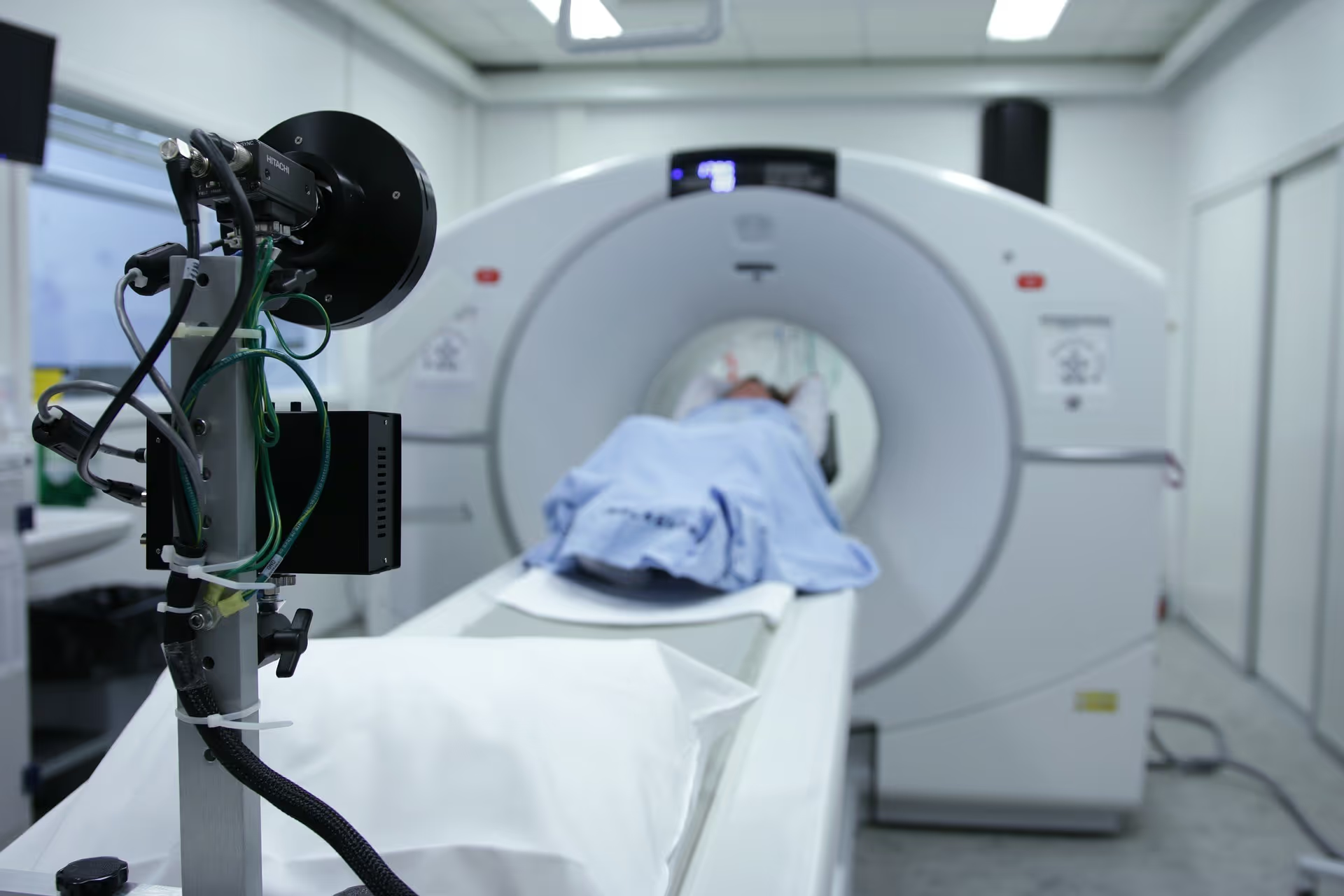
Anoxic Brain Injury Lawyer
Anoxic brain injuries are among the most devastating forms of trauma, often leading to permanent cognitive impairment. Victims may have the right to file an anoxic brain injury lawsuit and pursue compensation.
The Lyon Firm, a national leader in complex injury litigation, represents victims of oxygen-related brain injuries and secures the resources needed for long-term recovery.
Investigating Birth Trauma & Traumatic Brain Injury
A Hypoxic or anoxic injury, also known as cerebral hypoxia or hypoxic-anoxic injury (HAI), typically occurs when oxygen flow to the brain is disrupted by various external factors. Adequate oxygen flow is required for the human brain to function. If oxygen levels fall and stay low for only a few minutes, brain cells begin to die and an anoxic or hypoxic brain injury can result.
After five minutes, anoxic brain injuries are known to occur in patients. A general rule states that the greater the oxygen loss, the more serious the brain injury the patient will suffer. A Hypoxic Anoxic brain injury can be life-threatening, or cause severe, permanent disabilities.
Joe Lyon is a medical malpractice attorney and a Hypoxic Anoxic brain injury lawyer representing plaintiffs nationwide in medical negligence cases.
The Lyon Firm has settled a variety of Medical Negligence throughout the nation.
Hypoxic Anoxic Brain Injury
The National Institute of Neurological Disorders and Stroke (NIH) has identified factors that contribute to the degree of Anoxic brain injury. The most critical factor in the level of brain damage is the amount of time a patient was deprived of oxygen.
Inattentive medical staff or nursing negligence may be factors in some cases, and it is important to contact an Anoxic injury lawyer to investigate the root cause of injury. Different kinds of anoxia can lead to Hypoxic brain injury, including:
- Anemic anoxia—blood insufficiently oxygenated will fail to carry enough oxygen to the brain. Chronic anemia and acute hemorrhage can be linked to Hypoxic Anoxic brain injury.
- Toxic anoxia—certain toxins in the body may prevent the blood’s oxygen from being used efficiently by a patient. Carbon monoxide poisoning is a good example.
- Stagnant anoxia—Strokes, cardiac arrhythmia, and cardiac arrest are primary causes of some hypoxic anoxic brain injuries.
- Anoxic anoxia— high altitude anoxia occurs when there is not sufficient oxygen in the air.
- Intubation Malpractice
Newborn Brain Injuries
Birth injury and delivery malpractice can lead to permanent injuries for children. When a vaginal birth or C-section is delayed, a baby may be deprived of oxygen. The longer an infant is left without a proper amount oxygen, the greater the chance for a serious birth injury, which may include Hypoxic-ischemic encephalopathy.
Hypoxic-ischemic encephalopathy (HIE) is a serious birth complication affecting infants. the condition prevents adequate blood flow and oxygenation to a newborn brain tissue. This condition is due to a hypoxic-ischemic event during the prenatal, intrapartum, or postnatal period. Hypoxic-ischemic encephalopathy (HIE) occurs between 1.5 to 2.5 per 1,000 births in the United States.
The consequences of HIE can be catastrophic. By age two, up to 60 percent of infants with HIE will die or develop disabilities that may include mental retardation, epilepsy, and cerebral palsy.
Hypoxic-ischemic Encephalopathy
A number of health complications and medical errors have been implicated as risk factors for developing HIE, including the following:
- Placental abruption
- Placenta previa
- Uterine rupture
- Umbilical cord prolapse
- Breech presentation
- Shoulder dystocia
- Maternal hypotension
Understanding Anoxic Brain Injuries
An anoxic brain injury occurs when oxygen supply to the brain is entirely cut off. Unlike hypoxic injuries (where oxygen levels are reduced), anoxic injuries involve total deprivation, leading to severe brain cell death within minutes.
Common causes include:
- Medical malpractice: Anesthesia errors, surgical complications, delayed intubation, or failure to monitor vital signs during procedures.
- Birth injuries: Umbilical cord compression, delayed C-section, or improper fetal monitoring leading to oxygen loss in newborns.
- Workplace and industrial accidents: Exposure to toxic gases, suffocation, or near-drowning incidents.
- Drowning and near-drowning events: Recreational accidents, pool safety negligence, or boating mishaps.
- Cardiac arrest or respiratory failure: Failure to respond quickly with resuscitation measures.
Anoxic Brain Injury at Birth
After delivery, the manifestations of HIE may include low Apgar scores, the need for respiratory support after birth, abnormal heart rate, presence of meconium stained fluid, and abnormal umbilical cord gases.
The pathophysiologic effects leading to HIE are complex, and may require medical experts to explain in each individual case. But any hypoxic-ischemic event results in impaired blood flow that will limit the amount of oxygen reaching the brain.
A sudden decrease in oxygen available will trigger cellular events that results in a huge increase in the intracellular concentrations of calcium and sodium that leads to a brain injury at birth. Brain injury at birth can stem from cerebral edema, microvascular damage, and necrosis of brain tissue.
Continued oxygen deprivation is concern over the 6 to 48 hours after delivery. A lack of oxygen will lead to severe oxidative stress, which can result in more extensive necrosis and brain damage.
In the past, the medical treatment options for newborns with HIE were limited to supportive medical therapy to maintain cardiopulmonary function and to control seizures. There are new treatments available that include moderate hypothermia, administration of erythropoietin, stem cell transplantation, and anti-epileptic medications.
The Lyon Firm is proud to represent plaintiffs and families of infants suffering with brain injuries. Following a brain injury at birth, whether due to medical malpractice or another cause, a child and family are faced with high medical costs and a difficult road ahead. It is critical to recover compensation in birth malpractice lawsuits to help ease medical costs.
Birth Injury Settlements
A Lyon Firm client in Ohio suffered substantial hypoxic brain injury which resulted in cerebral palsy birth injury. The injury was due to a delay in physicians and nurses recognizing a hypoxic event was occurring. It was alleged that the hospital misinterpreted the fetal monitoring strips leading to confusion in the delivery room and causing the unfortunate event.
The hospital allegedly delayed in producing the critical fetal monitoring strips, but through discovery the evidence was discovered, as was the alleged malpractice.
The birth injury settlement will provide for life-long care and fund a lifecare plan to assist in home health needs and transportation.
Anoxic Brain Injury Treatment
After identifying the cause of the injury, efforts are made to restore normal oxygen availability to the brain. Once the patient is stable, the rehabilitation phase of treatment follows. This may include:
• Speech therapy
• Physical therapy
• Occupational therapy
• Recreational therapy
Prognosis for Anoxic Brain Damage
According to the National Institute of Neurological Disorders and Stroke (NIH), many factors contribute to the degree and rate of recovery. The amount of brain damage is a critical factor. The length of time spent unconscious or in a coma, and the level of recovery within the first month of the injury can indicate a better chance of recovery.
Cases of moderate anoxic brain injury have a better outcome, but recovery can still take months or years.
Anoxia and Hypoxia usually begin with a loss of consciousness in a patient. Hospital negligence may be suspected in otherwise stable patients. If the person regains full consciousness following a coma, the extent of hypoxia anoxia brain damage depends on the specific region in the brain where the injury occurs.
Common cognitive problems associated with anoxia may include:
- Memory loss.
- Poor ability in judgment, reasoning, and processing information.
- Difficulty with concentration
- Difficulty with language
- Confusion
- Depression
- Lack of coordination
- Muscle spasms
- Weakness
Compensation in Anoxic Brain Injury Cases
Compensation in these lawsuits depends on the severity of the injury and its impact on the victim’s life. Recoverable damages may include:
- Medical expenses: Hospitalization, rehabilitation, assistive care, and future medical needs.
- Lost wages and earning capacity: Compensation for time away from work or inability to return to employment.
- Pain and suffering: Physical and emotional distress caused by the injury.
- Loss of consortium: Damages for loss of companionship or support for family members.
- Wrongful death: If an oxygen deprivation injury proves fatal, families may pursue damages for funeral costs, loss of income, and emotional trauma.
Experienced. Compassionate. Consumer Advocates
The Lyon Firm is a Cincinnati, Ohio-based law firm, representing individuals nationwide in class action, product liability, and toxic exposure litigation.

Handling Complex Data Privacy & Cyber Security Cases
Request A Free Consultation Now

.avif)
Why Hire The Lyon Firm?
The Lyon Firm has decades of experience representing individuals who have suffered catastrophic brain injuries due to medical negligence. The firm’s approach is client-centered and focused on accountability and maximum compensation.
Medical Malpractice Lawsuits
Request a Free Consultation
Taking the first step doesn’t have to be complicated. In just a few minutes, you can share the basics of your case, and our team will guide you from there:
- It begins with a few simple questions about your situation.
- From there, a member of our legal team reviews your case.
- Together, we’ll chart the path forward, helping you take the next step toward resolution.
