

Beryllium | Toxic Exposure
Toxic Tort Attorney and Workplace Accident Lawyer reviews toxic exposure lawsuits for injured plaintiffs nationwide


.avif)


Toxic Exposure Lawsuits
Get compensation for your illness
Beryllium is a strong metal used commonly in several industries, including aviation and aerospace, shipbuilding, construction, telecommunication, information technology, defense, and medicine. Beryllium is imported as well as produced in the United States.
The U.S. Department of Labor’s Occupational Safety and Health Administration (OSHA) has published beryllium exposure standards in order for employers to protect workers from severe health risks, which include cancer and chronic disease.
OSHA standards were devised based on peer-reviewed scientific evidence and medical records of workers who have suffered illness following beryllium exposure. There are an estimated 62,000 workers in the U.S. who may work around the element and suffer with exposure to dangerous fumes and dust.
Joe Lyon is an experienced Workplace Injury Attorney and Beryllium Exposure Lawyer with experience engaging employers following toxic exposure at the workplace.
Industries Using Beryllium
- Aerospace—aircraft braking systems, engines, and satellites
- Auto Industry
- Ceramic manufacturing—semiconductors
- Defense components
- Dental labs
- Electronics—computer and telecommunication parts
- Medical devices
- Nuclear reactors
- Sporting goods—golf clubs and bicycles
Common Uses for Beryllium
Beryllium is used in three forms: as a pure metal, as beryllium oxide, and as an alloy with copper, aluminum, magnesium, or nickel. Beryllium oxide is known for its high heat capacity and is a common component in electronic equipment. Occupations with potential exposure risks include:
- Workers processing metal alloys and composites
- Foundry workers
- Furnace tenders
- Machinists
- Metal Fabricators
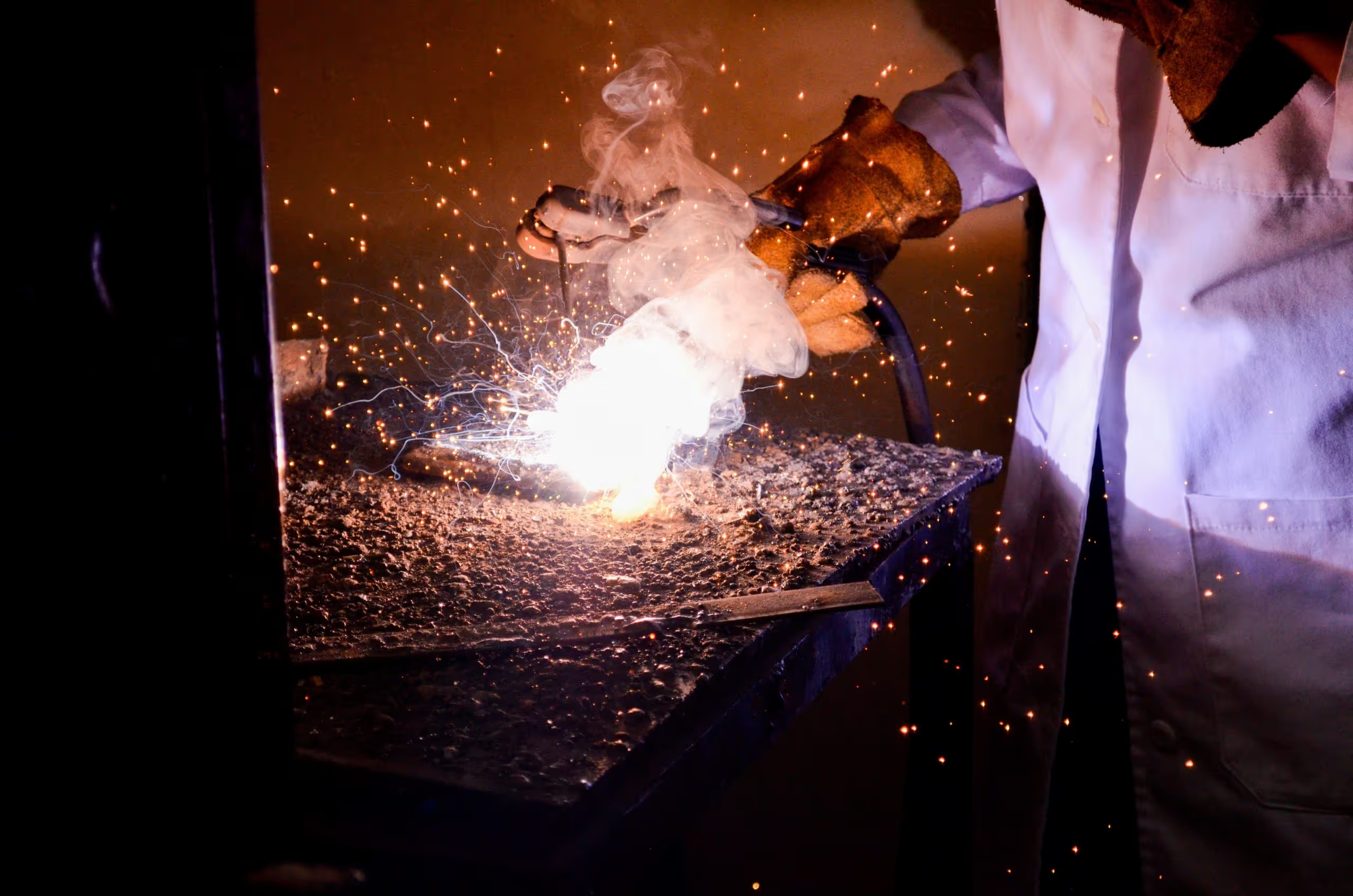
- Welding Injuries
- Dental Technicians
- Secondary smelting workers
Beryllium Workplace Hazard
Workers can be exposed by inhaling beryllium in the air or through skin contact. Frequent exposure can cause an immune response, and workers with beryllium sensitization are at risk for developing a lung disease called chronic beryllium disease (CBD). Exposed workers may also develop acute lung disease and lung cancer.
- Beryllium Sensitization—the body’s immune response, usually a result from inhalation or skin exposure to beryllium dust, fume, or mist.
- Chronic Beryllium Disease—a lung disease caused by inhaling fumes after becoming sensitized to beryllium. Common symptoms of CBD are shortness of breath, unexplained coughing, fatigue, weight loss, fever, and night sweats. Workers may not experience signs and symptoms until months or years after initial exposure. The disease can progress to a chronic obstructive lung disorder.
- Lung cancer—studies in occupational settings have determined that occupational exposure causes lung cancer. The International Agency for Research on Cancer (IARC) and the National Toxicology Program (NTP) list beryllium as a known human carcinogen.
- Acute Beryllium Disease (ABD)—Acute beryllium disease (ABD) is a form of chemical pneumonia from breathing high concentrations of beryllium.
- Idiopathic Pulmonary Fibrosis
Beryllium Exposure Lawyer
OSHA regulations require employers in specific industries to institute and follow protective measures so their workers are minimally exposed to beryllium. The highest exposures occur in the workplace, though family members of workers may also be exposed from contaminated work clothing.
Should any employer fail to follow safety guidelines and Berylliosis is directly linked to such negligence, injured plaintiffs may file claims against the employer and recover rightful pain and suffering damages, medical expenses, lost wages and long-term disability.
Experienced. Compassionate. Consumer Advocates
The Lyon Firm is a Cincinnati, Ohio-based law firm, representing individuals nationwide in class action, product liability, and toxic exposure litigation.

.avif)
Why are these cases important?
Toxic exposure cases help empower employees to fight for their right to be protected and compensated fairly. They also bring awareness to challenge and raise the expectations of companies that are not serving their employees justly.
Handling Complex Data Privacy & Cyber Security Cases
Request A Free Consultation Now

Toxic Exposure Lawsuits
Request a Free Consultation
Taking the first step doesn’t have to be complicated. In just a few minutes, you can share the basics of your case, and our team will guide you from there:
- It begins with a few simple questions about your situation.
- From there, a member of our legal team reviews your case.
- Together, we’ll chart the path forward, helping you take the next step toward resolution.
