

Multiple Myeloma | Toxic Exposure
Toxic Tort Attorney reviewing toxic exposure lawsuits for plaintiffs nationwide


.avif)


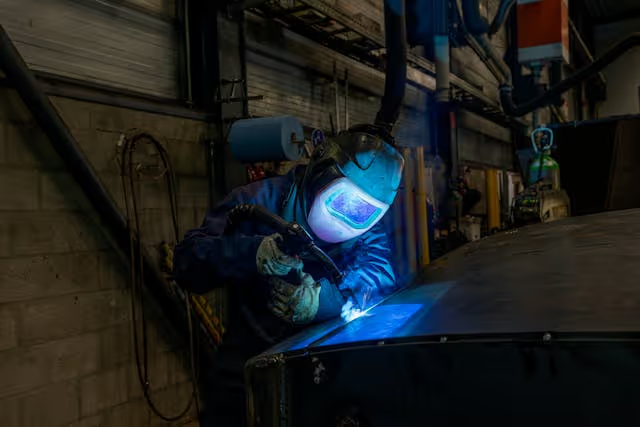
Multiple myeloma has increasingly been linked to toxic chemical exposures in occupational and environmental settings. This aggressive cancer carries a grim prognosis, with most patients facing a median survival rate of five to seven years despite advances in treatment.
For victims and families confronting this diagnosis, understanding the connection between toxic exposure and multiple myeloma can be crucial for securing compensation and holding responsible parties accountable.
Understanding Multiple Myeloma and Its Toxic Triggers
Scientific research has established compelling links between multiple myeloma and exposure to various toxic substances. Benzene, a petroleum-based chemical found in gasoline and industrial processes, represents one of the most documented risk factors. Workers in refineries and automotive repair facilities face elevated exposure risks through inhalation and skin contact.
Agricultural workers encounter multiple myeloma risks through pesticide and herbicide exposure, particularly chemicals containing organophosphates and carbamates.
Studies have identified increased cancer rates among crop dusters and pesticide applicators who experience chronic exposure to these substances without adequate protection.
This type of cancer forms in a plasma cell, a type of white blood cell that helps you fight infections by making antibodies that recognize and attack germs. The condition causes cancer cells to accumulate in the bone marrow, crowding out healthy blood cells. The cancer cells produce abnormal proteins that may cause complications.
Cancer cases have been linked to exposure to solvents, diesel exhaust and several other industrial toxins that workers may deal with for weeks or years at a time. Cancer-causing agents have been identified, but employers have still failed to protect workers from the risks of toxic exposure.
Joe Lyon is a highly-rated personal injury and workplace exposure lawyer representing plaintiffs nationwide in a wide variety of toxic tort and asbestos injury claims.
Risk factors for occupational cancers include working near operations that use industrial chemicals. Worksites known to use cancer-causing toxins include:
- Farms
- Oil Refineries
- Nail Salons
- Fracking sites
- Paint manufacturers
- Construction sites
- Auto & Body shops
- Rail Yards
Toxins Associated with Multiple Myeloma
- Benzene
- Trichloroethylene (TCE)
- Vinyl Chloride (VC)
- Glyphosate
- Polycyclic aromatic hydrocarbons (PAHs)
- Polychlorinated biphenyls (PCBs)
- Chlorpyrifos
- Paraquat
- Tetrachlorethylene (PCE)
- Xylene
- Toluene
- Diesel Fumes
The Lyon Firm takes pride in representing plaintiffs and victims of toxic exposure. When a company produces a dangerous product or a company fails to protect their employees, legal action may be the only way to recover rightful compensation. Toxic exposure lawsuits can generate large settlements for injured plaintiffs.
Can I File a Multiple Myeloma Lawsuit?
Plaintiffs must establish that defendants knew or should have known about cancer risks associated with their products or operations, yet failed to implement adequate safety measures or provide proper warnings to exposed individuals.
Proving causation in multiple myeloma cases requires sophisticated medical and scientific evidence linking specific chemical exposures to cancer development. Expert testimony from oncologists and toxicologists becomes essential for demonstrating how particular substances contributed to disease onset.
Latency periods between initial exposure and cancer diagnosis often span decades, making thorough documentation and reconstruction of exposure history critically important.
Statute of limitations considerations vary significantly across jurisdictions, with some states applying discovery rules that extend filing deadlines until patients reasonably could have connected their cancer to toxic exposure.
Experienced. Compassionate. Consumer Advocates
The Lyon Firm is a Cincinnati, Ohio-based law firm, representing individuals nationwide in class action, product liability, and toxic exposure litigation.

.avif)
Why Hire The Lyon Firm?
Our legal team has successfully represented numerous clients in high-stakes toxic tort cases, securing substantial settlements and verdicts against major corporations.
Our firm maintains relationships with leading medical experts specializing in multiple myeloma treatment and research, ensuring that our clients receive the strongest possible medical testimony.
We work closely with occupational epidemiologists who can establish crucial exposure-causation links in even the most challenging cases.
The Lyon Firm advances all litigation costs and work on a contingency fee basis, ensuring that financial concerns never prevent cancer victims from pursuing justice.
Handling Complex Data Privacy & Cyber Security Cases
Request A Free Consultation Now

Questions about Multiple Myeloma Lawsuits

Multiple myeloma is a cancer that forms in a type of white blood cell. Healthy white plasma cells help combat infections by making antibodies that recognize and attack germs. With multiple myeloma, cancerous cells accumulate in the bone marrow and crowd out healthy cells.
- Benzene
- Trichloroethylene (TCE)
- Vinyl Chloride (VC)
- Glyphosate
- Polycyclic aromatic hydrocarbons (PAHs)
- Polychlorinated biphenyls (PCBs)
- Tetrachlorethylene (PCE)
- Xylene
- Toluene
Experts have linked multiple myeloma to toxic chemicals, radiation, viruses, immune disorders, and a family history of the disease.
Establishing causation requires comprehensive medical and occupational history documentation, expert testimony from oncologists and toxicologists, and scientific evidence linking specific chemicals to blood cancer development. Our legal team works with leading medical experts to build compelling causation arguments that demonstrate how workplace or environmental exposures contributed to your cancer diagnosis.
Multiple myeloma often has long latency periods between initial exposure and cancer development. Many states apply discovery rules that extend filing deadlines until you reasonably could have connected your cancer to toxic exposure. However, statutes of limitations vary significantly, making immediate legal consultation essential to protect your rights.
Toxic Exposure Lawsuits
Request a Free Consultation
Taking the first step doesn’t have to be complicated. In just a few minutes, you can share the basics of your case, and our team will guide you from there:
- It begins with a few simple questions about your situation.
- From there, a member of our legal team reviews your case.
- Together, we’ll chart the path forward, helping you take the next step toward resolution.
