

Coffee Roasting | Toxic Exposure


.avif)


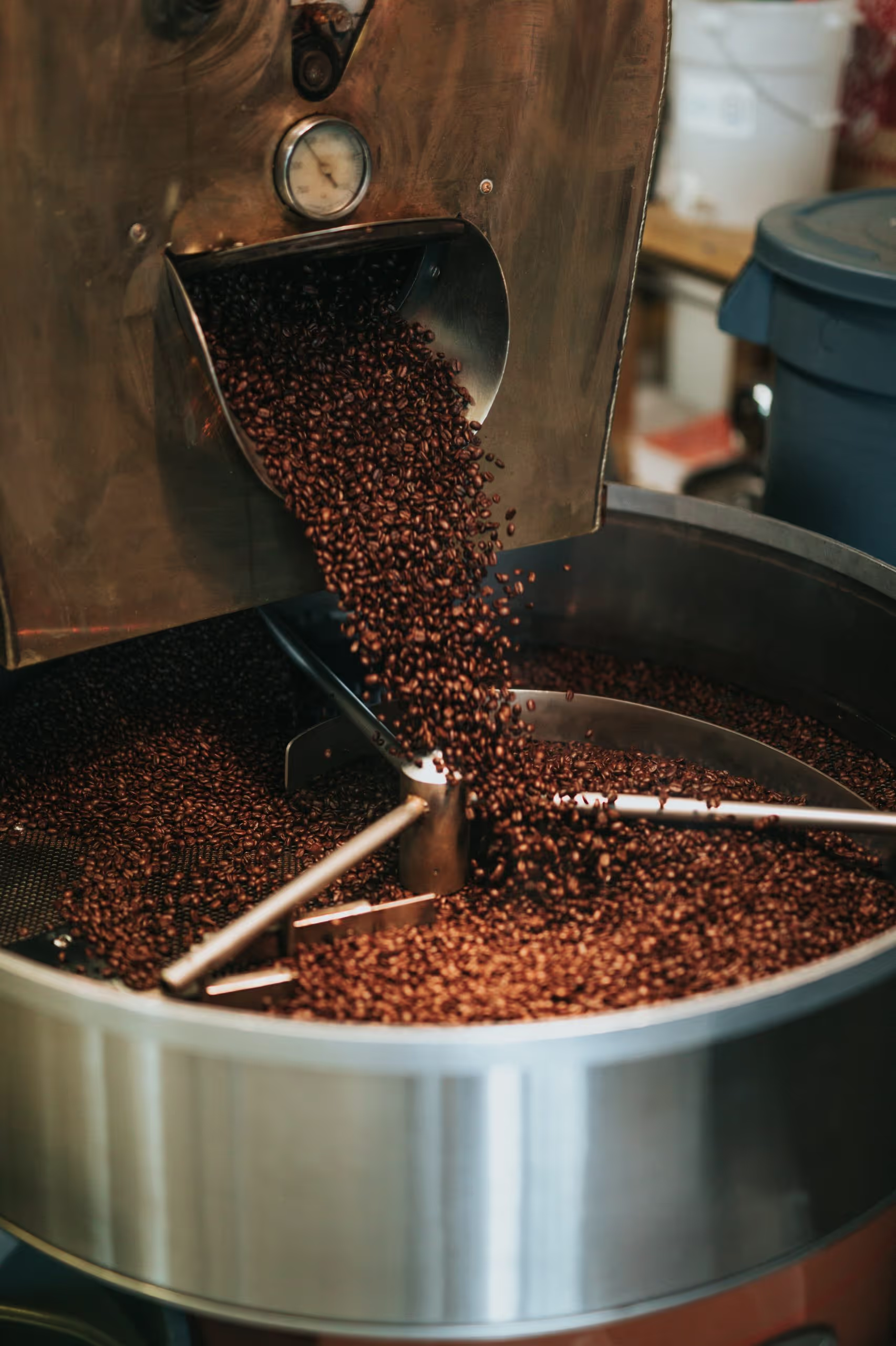
Workers in coffee roasting facilities may face occupational health risks from exposure to high levels of diacetyl and other volatile organic compounds released during the roasting and grinding process.
Prolonged exposure to these chemicals has been linked to obliterative bronchiolitis, a rare but serious lung disease often called “popcorn lung.” This condition causes permanent scarring of the airways.
If you have been diagnosed with obliterative bronchiolitis after working in a coffee roasting environment, you may be eligible to file an occupational injury lawsuit.
Employers are legally obligated to maintain a safe workplace by providing adequate ventilation and supplying proper protective equipment. When companies fail to uphold these responsibilities, they may be held liable for the injuries sustained by workers.
Who is at Risk of Lung Disease?
Workers at coffee roasting plants and coffee processing facilities across the country may be at risk.
Government investigators published a paper in the American Journal of Industrial Medicine about the specific health hazard at coffee processing facilities, including those plants producing flavored coffees and unflavored coffee beans.
Should coffee roasting companies ignore safety guidelines, they may be liable for exposing employees to known toxins and the injuries that may be sustained as a result on chronic exposure. NIOSH is working with a number of coffee processing facilities in determining safe limits of exposure, and further studies are underway.
In 2012, several workers at a coffee roasting plant in Texas were diagnosed with obliterative bronchiolitis. Following the incident, the CDC’s National Institute for Occupational Safety and Health (NIOSH) sent inspectors to investigate.
The CDC found high levels of diacetyl in the flavoring of certain roasted coffee beans. The highest concentrations of the toxic chemical were found in the flavoring room.
They also found levels of diacetyl in the grinding and packing areas where unflavored coffee beans were being processed. Diacetyl also occurs naturally from roasting coffee, and it is released in greater quantities during the grinding process.
A couple years after the Texas incident, NIOSH received many requests from coffee roasters around the country to have their facilities assessed. Researchers have found links between exposure to the chemical and a rare lung disease, but they are still trying to quantify how much exposure causes damage. The Occupational Safety and Health Administration (OSHA) says there are no plans to make rules regulating popcorn lung in workplaces.
The management of some coffee processing plants are taking precautions against workplace exposure. As some popcorn companies replaced diacetyl with other flavorings, coffee roasters are considering a similar change to protect coffee roasting employees for the long term. The CDC recommends the following precautions:
- Use a vacuum instead of sweeping up dust
- Provide masks and respirators for workers
- Workplace Ventilation Risks by installing exhaust piping over grinders, blenders and packagers
- Keep an overhead exhaust fan operating continuously
- Automate blending process to distance workers from chemicals
- Consider alternative flavoring compounds
- Institute a medical monitoring program
Coffee Roasting Popcorn Lung Lawsuits
Coffee roasting companies have a responsibility to take precautions and protect workers. When they fail to protect coffee roasting employees, lawsuits may be filed and workers may seek compensation for injuries related to the workplace.
Coffee production plants have been under review by government health agencies after reports of workers developing a number of respiratory diseases including bronchiolitis obliterans, hypersensitivity pneumonitis, granulomatosus disease, emphysema, asthma and interstitial lung disease.
These occupational illnesses were first seen in microwaveable popcorn manufacturing employees exposed to diacetyl fumes at the workplace.
Experienced. Compassionate. Consumer Advocates
The Lyon Firm is a Cincinnati, Ohio-based law firm, representing individuals nationwide in class action, product liability, and toxic exposure litigation.

.avif)
Why Hire The Lyon Firm?
The Lyon Firm has extensive experience representing employees harmed by toxic workplace exposures, including those in the food and beverage industry. Our team works with medical and occupational safety experts to build strong cases on behalf of injured workers. Because obliterative bronchiolitis is often misdiagnosed, early legal representation can be critical in linking your condition to your workplace exposure.
Compensation in occupational injury lawsuits may include coverage for:
- Medical expenses related to diagnosis, treatment, and ongoing care
- Lost wages and diminished future earning capacity
- Pain and suffering caused by permanent breathing impairment
- Disability benefits for long-term or permanent injury
Handling Complex Data Privacy & Cyber Security Cases
Request A Free Consultation Now

Toxic Exposure Lawsuits
Request a Free Consultation
Taking the first step doesn’t have to be complicated. In just a few minutes, you can share the basics of your case, and our team will guide you from there:
- It begins with a few simple questions about your situation.
- From there, a member of our legal team reviews your case.
- Together, we’ll chart the path forward, helping you take the next step toward resolution.
