

Radiation | Toxic Exposure
Toxic Tort Attorney Reviewing Radiation Cancer Claims for Injured Workers Nationwide.


.avif)


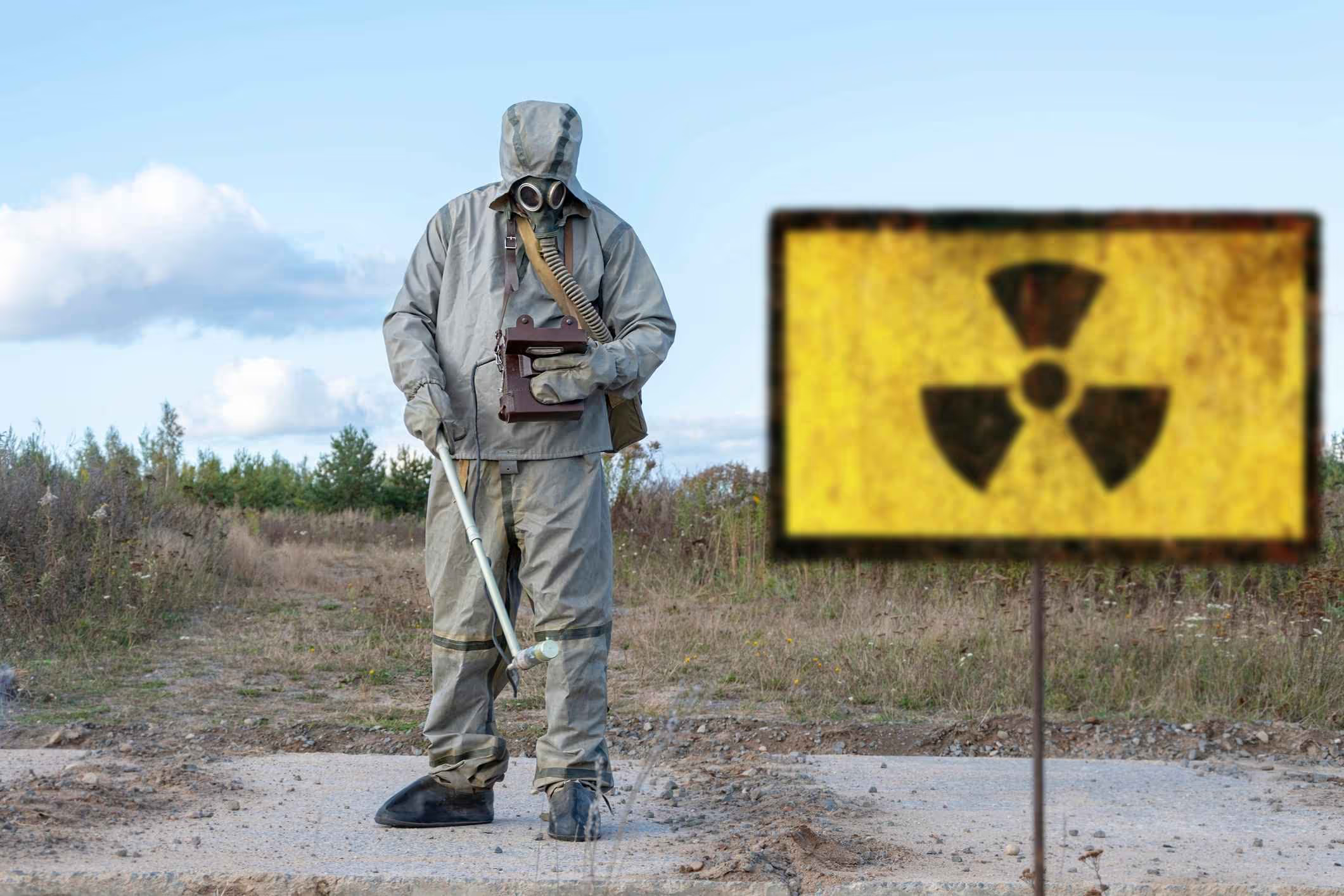
If you’ve been diagnosed with cancer or another serious illness after working around radiation, the connection to your job may not be clear at first.
Radiation is invisible, and its harm can take years or decades to surface. By the time of diagnosis, the exposure may trace back to work done long ago, sometimes for employers no longer in business.
An occupational radiation exposure lawsuit holds companies, contractors, and facility operators accountable for the conditions they created and maintained. These cases may involve poor shielding, missing or falsified exposure records, failure to warn workers of known hazards, and inadequate respiratory protection against radioactive dust and particulates.
The Lyon Firm represents workers and surviving family members in these claims nationwide.
Joe Lyon brings over 20 years of experience in toxic exposure litigation and has served as lead counsel in occupational radiation cases against major industrial corporations.
Call (513) 381-2333 or submit a confidential case review request to speak directly with an occupational radiation exposure lawyer about your diagnosis and work history.
“I’m incredibly grateful to Joseph Lyon and The Lyon Firm. From the start, Joseph was honest, clear, and always professional. He kept me informed and made sure I understood every step. I felt supported and knew I was in good hands. His dedication and care truly made a difference. I couldn’t have asked for better representation.”
— Issa Diawara, Client
How Does Radiation Exposure Happen in the Workplace?
Occupational radiation exposure occurs in environments where ionizing radiation is used, generated, or present as part of industrial or medical activity. While some workplaces monitor exposure levels, others rely on outdated safeguards or fail to recognize long-term risks.
Exposure may occur through:
- Direct contact with radiation-emitting equipment,
- Inhalation of radioactive dust or airborne particles,
- Contaminated surfaces, tools, or protective gear, and
- Improper storage or disposal of radioactive materials.
In many jobs, exposure happens as part of routine work. Technicians may spend hours near imaging equipment during procedures, while maintenance workers clean machinery without being told what has settled in the dust. Contractors may work in areas where radioactive materials were once handled, unaware that contamination remains.
Over time, repeated exposure to these conditions can accumulate.
Radiation is invisible. Many workers are exposed without realizing how often or what the long-term risks are.
Are There Different Types of Radiation Exposure?
Workplace radiation exposure generally falls into three categories:
- External exposure: Radiation comes from a source outside the body, such as imaging equipment or industrial testing devices.
- Internal exposure: Radioactive particles enter the body through inhalation, ingestion, or absorption.
- Environmental exposure: Radiation is present in dust, air, or on surfaces within the work area.
Most serious health risks are linked to ionizing radiation. This type of radiation carries enough energy to damage cells at the molecular level. It can break chemical bonds, disrupt normal cell function, and alter DNA. Over time, that damage may lead to cancer and other serious illnesses.
Common forms include:
- Alpha particles: Most dangerous when inhaled or swallowed, especially in environments with radioactive dust.
- Beta particles: Can penetrate the skin and cause internal damage without proper shielding.
- Gamma rays and X-rays: Travel deeply through the body and are associated with industrial equipment and medical imaging.
- Neutron radiation: Found mainly in nuclear facilities and capable of creating additional radiation hazards.
The type and duration of exposure matter, as does proper protection. When employers ignore these, workers may suffer serious effects years later.
What Is the Difference Between Acute and Chronic Radiation Exposure?
Radiation exposure can occur suddenly or build gradually over time. The difference between acute and chronic exposure affects how injury develops and when symptoms appear.
- Acute radiation exposure involves a high dose over a short period. This may result from accidents, equipment failures, or unexpected releases. Symptoms can appear quickly and may include nausea, burns, or radiation sickness.
- Chronic radiation exposure happens at low levels over months or years and is more common at work. It’s linked to long-term health risks like cancer.
Most workers don’t have immediate symptoms from chronic exposure. Damage builds slowly, often without a clear start or incident. As a result, diagnosis may come long after the exposure began, making the connection to workplace conditions harder to identify.
Which Jobs Carry the Highest Risk of Radiation Exposure?
Certain industries and job roles involve repeated or prolonged contact with radiation sources, placing workers at higher risk.
These include:
- Healthcare workers, particularly those in radiology, oncology, and imaging departments who operate or work near radiation-emitting equipment;
- Nuclear power plant workers, engineers, and maintenance staff involved in handling radioactive materials;
- Industrial radiographers, weld inspectors, and manufacturing workers using radiation-based testing equipment;
- Military personnel and government contractors, especially those involved in weapons testing, nuclear programs, or classified operations; and
- Laboratory and research workers handling radioactive substances in controlled environments.
In these roles, exposure often comes from daily duties. Over time, repeated exposure without monitoring or protection raises health risks.
What Health Conditions Are Linked to Occupational Radiation Exposure?
Occupational radiation exposure has been linked to a range of serious and often life-threatening conditions. Many of these illnesses develop gradually and may not be diagnosed until years after exposure.
Common conditions include:
- Leukemia, one of the most well-documented radiation-related cancers;
- Thyroid cancer, particularly in workers exposed to radioactive iodine;
- Lung cancer, often associated with inhalation of radioactive particles;
- Breast cancer, especially in long-term exposure cases;
- Brain tumors, including glioblastoma; and
- Other tumors may develop, depending on exposure and duration.
In addition to cancer, radiation exposure may contribute to:
- Cardiovascular disease,
- Tissue and organ damage, and
- Immune system dysfunction.
These conditions often appear years after exposure, so they’re often mistaken for unrelated issues.
Why Do Radiation-Related Illnesses Often Appear Years Later?
You may not expect radiation exposure to be part of your job, especially if you never worked at a nuclear plant or military facility.
But exposure can happen in hospitals, industrial sites, laboratories, construction zones, and certain manufacturing environments. If your work involved radioactive materials or radiation-emitting equipment, there may have been risks you were never fully told about.
You might also wonder whether lower levels of exposure could have caused harm.
Risk arises from repeated contact or high doses that weren’t properly monitored. Such exposure can increase the likelihood of serious illness, including cancer.
In some workplaces, the problem is not just exposure, but how it was handled. Protective equipment may have been limited. Exposure may not have been tracked. Safety training may have been incomplete or unclear.
Radiation-related illness does not always appear right away. Cellular damage can occur without symptoms and, over time, may cause disease. This delay is known as a latency period. It is common in cancers linked to occupational exposure.
Because of this delay:
- A diagnosis may come years after leaving a job,
- The company responsible may no longer be in operation, and
- Exposure records may be missing or incomplete.
Understanding this timing can help clarify whether a diagnosis may be connected to past workplace conditions.
If you were exposed to ionizing radiation at work, our team can help you understand your legal options and evaluate your potential claim. We also represent cancer patients who worked at the Fernald Feed Materials Production Center, as well as individuals harmed by documented environmental contamination.
Call (513) 381-2333 or request a confidential case review today to speak directly with our attorneys about your situation.
Do You Need a Lawyer After a Radiation-Related Diagnosis?
A diagnosis like this can leave you trying to connect events that happened years ago. You may be thinking back to jobs, job sites, or conditions that did not seem dangerous at the time.
There is no single step that resolves everything, but a few actions can help preserve important information while you sort through what may have happened:
Keep Your Medical Records Together
Save copies of your diagnosis, pathology reports, imaging, and treatment notes. These records help document the type of illness and when it was identified. If appropriate, ask your doctor whether your work history could be relevant.
Write Down Your Work History
Include employer names, job sites, and the type of work you performed. Try to note approximate dates and any tasks that may have involved radiation or hazardous materials. Old pay stubs, union records, training materials, or workplace documents can help fill in missing details.
Be Aware That Records May Be Incomplete
Many workers later learn that their exposure was not fully tracked. Some types of exposure, especially from inhaled radioactive dust, may not appear in standard monitoring records. Other records may be missing or inaccurate.
Talk to an Occupational Radiation Exposure Lawyer About Your Situation
Many workers later learn that their exposure was not fully tracked. Some types of exposure, especially from inhaled radioactive dust, may not appear in standard monitoring records, and other records may be missing, inaccurate, or no longer available.
A lawyer can review your work history and help identify whether known exposure risks were present. This conversation can also clarify what options may be available based on your circumstances.
Can You File a Lawsuit for Occupational Radiation Exposure?
Workers affected by radiation exposure may have several legal options depending on the nature of their employment and how exposure occurred.
These may include:
- Workers’ compensation claims, which may cover medical care and lost income;
- Federal compensation programs, including those available to certain nuclear or government workers;
- Civil lawsuits against employers or third parties, particularly where safety failures or negligence contributed to exposure; or
- Product liability claims, involving defective equipment or unsafe materials.
An occupational radiation exposure lawsuit may involve multiple parties, especially when exposure occurred across different worksites or over extended periods.
These cases often require a detailed investigation into workplace conditions, safety practices, and historical exposure risks. A national survey by Martindale-Nolo found that personal injury cases involving long-term conditions can differ significantly in value, with outcomes involving experienced legal representation reaching nearly three times higher.
How Are Occupational Radiation Exposure Cases Proven?
Proving a radiation exposure case involves connecting past working conditions to a later diagnosis, often years after the exposure occurred.
In many situations, there is no complete record showing how much radiation a worker was exposed to. When records are missing or disputed, experts look at job duties, facility records, air testing data from the time, and information from others who performed the same work. This allows them to estimate how exposure may have occurred and whether it could be linked to the illness.
Other documents can show what employers knew about the risks. Government inspections, OSHA violations, internal safety reports, and environmental monitoring data may indicate that elevated radiation levels were identified but not clearly communicated to workers.
Similar diagnoses among workers in the same role or facility can also be important. When multiple people develop related illnesses, it may help show that the exposure was not isolated and that the risk was known.
Key evidence may include:
- Employment and job site records,
- OSHA reports and workplace safety documentation,
- Historical data on radiation levels in specific industries or facilities, and
- Expert analysis from medical professionals and workplace safety specialists.
Together, this evidence helps explain how exposure occurred and whether it is connected to the diagnosis.
What Compensation Is Available in a Workplace Radiation Exposure Lawsuit?
Compensation in a workplace radiation exposure lawsuit should reflect the impact the illness has had on your life and your family.
Recovery may include:
- Medical expenses, including ongoing treatment and care,
- Lost income and changes to your ability to keep working,
- The physical and emotional effects of the illness, and
- Financial support for surviving family members in wrongful death cases.
Every case is different. The outcome depends on the type of illness, how long the exposure lasted, and what evidence is available to show how it happened.
Our attorneys at The Lyon Firm have secured significant results for workers and families facing occupational exposure claims, with settlements commonly reaching into the seven figures and verdicts in the multi-million dollar range.
One case involved three workers who had worked together for years at an aviation testing facility. Each later developed glioblastoma and passed away. Their families began asking the same question many clients ask: whether something in that shared work environment played a role.
The case required a detailed investigation into conditions at the facility, including contaminated dust and potential radiation exposure. Experts worked to understand what those workers may have been exposed to over time.
After years of litigation, the case was resolved confidentially, providing a measure of accountability and closure for the families. It remains the only known tort recovery for workplace radiation exposure in Ohio.
Experienced. Compassionate. Consumer Advocates
The Lyon Firm is a Cincinnati, Ohio-based law firm, representing individuals nationwide in class action, product liability, and toxic exposure litigation.

.avif)
Why Choose The Lyon Firm?
Our attorneys at The Lyon Firm have spent more than 20 years handling occupational exposure and toxic tort cases. Since 2006, we have represented clients nationwide, including those facing radiation-related illnesses tied to work performed years earlier.
“In many of these cases, people don’t realize right away that their job may have exposed them to radiation. They come to us years later, trying to understand how this could have happened, and we start by looking closely at where they worked and what they were around day to day.”
Joe Lyon, Founding Partner of the Lyon Firm
If you’ve been diagnosed with cancer or another serious illness after working in a high-risk environment, your work history may help explain what happened.
We offer free, confidential case evaluations with no obligation to proceed. Call (513) 381-2333 or contact The Lyon Firm online to get started.
Handling Complex Data Privacy & Cyber Security Cases
Request A Free Consultation Now

Occupational Radiation Exposure FAQs

In some cases, yes. Workers may unknowingly bring radioactive dust or particles home on clothing, shoes, tools, or vehicles. This is sometimes called secondary exposure and has been documented in certain industries. Family members may later develop illness without ever working around radiation themselves.
Many workers spent years moving between employers, contractors, or facilities. Exposure can build across different jobs, even if no single workplace stands out. Looking at your full work history often provides a clearer picture than focusing on one employer.
In some situations, responsibility may extend to contractors, parent companies, equipment manufacturers, or other parties involved at the site. Even if a company has closed, there may still be legal paths to pursue.
Some industrial and research sites have a history of contamination that can remain long after operations end. Workers who entered these environments years later may not have been aware of what was present.
This is a common concern. Many workers were never informed of the risks or were told conditions were safe. Lack of warning or disclosure can be an important part of understanding how and why the exposure occurred.
Toxic Exposure Lawsuits
Request a Free Consultation
Taking the first step doesn’t have to be complicated. In just a few minutes, you can share the basics of your case, and our team will guide you from there:
- It begins with a few simple questions about your situation.
- From there, a member of our legal team reviews your case.
- Together, we’ll chart the path forward, helping you take the next step toward resolution.
