

Fernald Workers | Radiation Exposure
Toxic Tort & Workplace Accident Lawyer reviews radiation exposure lawsuits for plaintiffs nationwide


.avif)


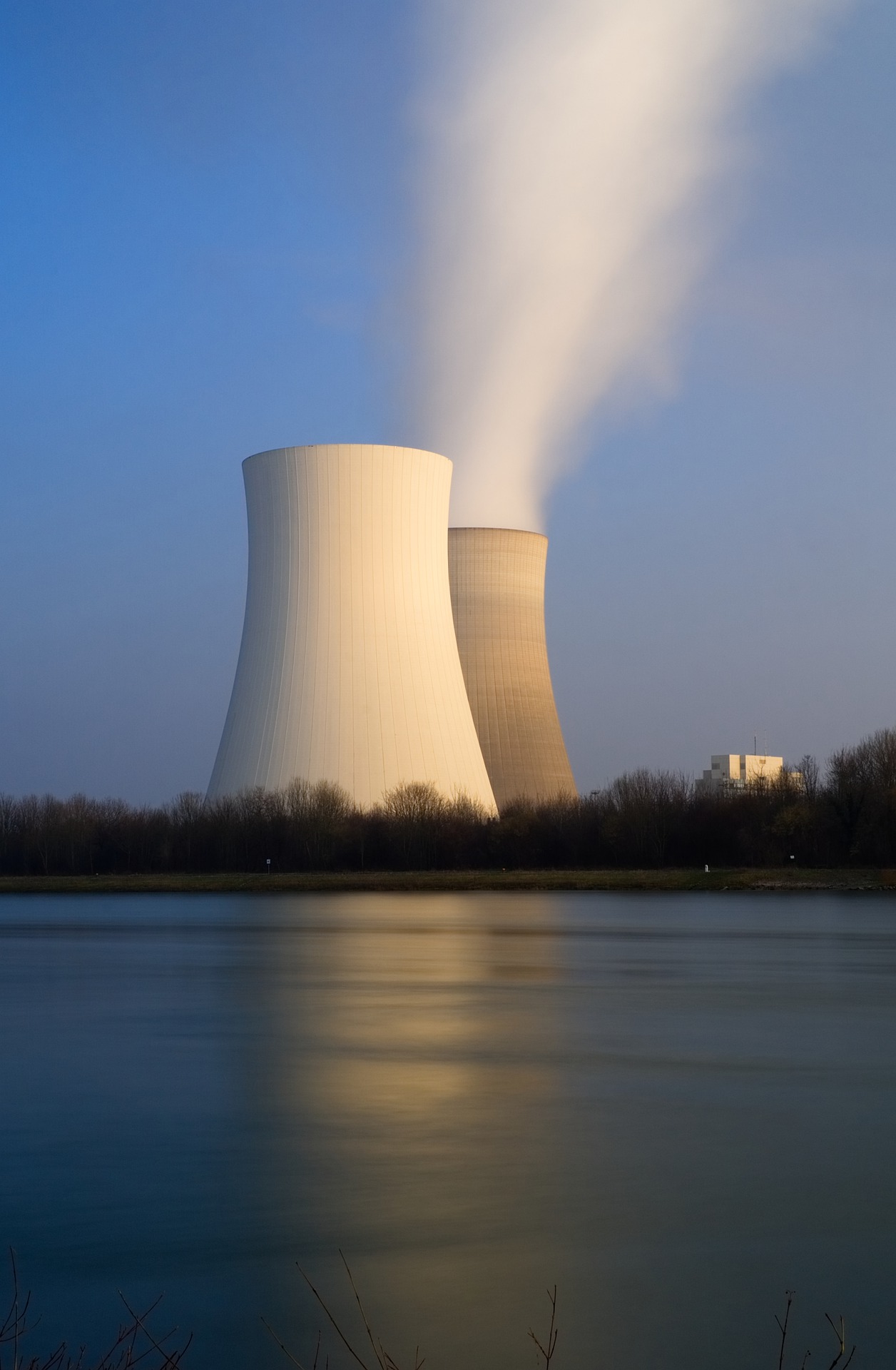
The Lyon Firm has extensive experience representing individuals harmed by toxic exposure and workplace negligence. We understand the legal challenges in proving exposure-related cancer claims, including the scientific and medical evidence required to link Fernald contamination to disease.
Our firm is dedicated to holding corporations and government contractors accountable for failing to protect workers and communities. We work to secure compensation for victims as well as promoting accountability and safer practices. If you or a loved one developed cancer after working at or living near the Fernald site, The Lyon Firm can guide you through your legal options and fight for the justice you deserve.
Health Risks Linked to Fernald Contamination
Exposure to radiation and industrial toxins at Fernald has been associated with a wide range of medical problems, including:
- Leukemia and lymphoma
- Lung cancer
- Kidney cancer
- Bladder cancer
- Breast and thyroid cancers
- Chronic respiratory disease
- Organ damage from heavy metals and solvents
The Fernald Feed Materials Production Center, a nuclear weapons facility nearby Cincinnati, Ohio, was one of several hundred U.S. plants that aided in nuclear weapons production, and also endangered workers through high doses of ionizing radiation, later causing multiple fatal forms of cancer in dozens of workers.
Workers at such atomic weapons factories, producing uranium for nuclear weapons, have been known for many years to suffer from a higher rate of brain cancer (glioblastoma), lung cancer, leukemia, intestinal and blood cancers than the rest of the American population.
National Lead of Ohio (NLO) Inc., a subsidiary of NL Industries, built the Feed Materials Production Center, a uranium processing factory, in Fernald, Ohio in 1952. The Fernald plant operated for the Federal Government until 1985, and the Fernald plant halted weapons production completely in 1989.
Joseph Lyon is a highly-rated Ohio toxic exposure attorney, reviewing claims of radiation exposure nationwide. For a free consultation, call The Lyon Firm.
Fernald Workers Cancer Rate
Extensive records on more than 7,000 people who worked at the Fernald nuclear weapons plant for more than 90 days, including studies undertaken in both the 1960’s and the 1980’s, indicate an increased risk of cancer for workers.
A 1986 study by an Energy Department identified what they called a “trend” in unusual rates of colon cancer among Fernald workers. In 1988, another epidemiologist said that seven Fernald workers had died of liver cancer.
Such cancer incidence findings are not surprising to most health experts who have linked occupational radiation exposure to cancer for many years. Exposure to radiation is extremely perilous to the health of workers, though the long-term environmental and health consequences take time to manifest themselves.
Further research made sure to note the cause of cancer deaths among former Fernald workers. Former employees have been diagnosed and have died from multiple cancers including glioblastoma, colon cancer, liver cancer, gastrointestinal cancers, lung cancer, lymphoma and leukemia. The median life expectancy of Fernald workers was 58 years, five years less than the median life expectancy of all Americans at the time of the study.
Environmental Radiation Exposure
By the 1970s, a substantial body of medical literature began accumulating regarding the negative health consequences of nuclear weapons production on workers and the surrounding communities. The Fernald facility, built in the rural communities of Ross and Crosby townships, approximately twenty miles northwest of Cincinnati, Ohio, became a problem for not only workers in the plant but for the entire region.
For every one pound of uranium processed, over two pounds of toxic waste was produced. According to records, a 226-acre area of the Great Miami Aquifer was contaminated—giant waste pits were created, with over 30 million pounds of uranium product stored, and millions of cubic yards of local soil contaminated.
Community members filed a class action suit and the DOE agreed to pay $78 million dollars for property devaluation and for the medical monitoring of community members. Community members complained of cancer risks, contaminated water, elevated breast cancer incidences and higher rates of autoimmune disorders.
Even if the government and its contractors denied the findings in damaging studies, the cancer victims of the Fernald facilities and their families made themselves known.
Then in 1984, the Department of Energy (DOE), and National Lead of Ohio (NLO), the plant operator, both acknowledged that 300 pounds of enriched uranium oxide had been released into the air from a malfunctioning safety device. The Department of Energy also admitted that multiple water wells located south of the plant had been contaminated with uranium.
Compensation for Ohio Fernald Workers
There is no arguing that workers in the Cincinnati, Ohio Fernald plant and many other nuclear sites across the country have been exposed to radioactive materials over long periods of time, sometimes without their knowledge.
As a result, a 2000 Presidential Executive Order—Providing Compensation for America’s Nuclear Weapons Workers—established the Energy Employees Occupational Illness Compensation program (EEOICPA).
The goal of the EEOICPA was to properly compensate plant workers and their survivors for their patriotic duty. The program is a positive step in protecting workers, however, some cancer patients and survivors may need further legal representation to receive proper compensation.
In 1990, Fernald workers filed a lawsuit in 1994 and worked out a settlement. The national Fernald workers compensation program is in place so that workers can receive a lump sum payment of $150,000 and medical care if they have one of 22 designated cancers. The U.S. Government has reportedly already paid out more than $10 billion to victims and survivors of occupational radiation exposure.
Fernald Cancer Lawsuits
Veterans who have participated in a radiation-risk activity during service may be at heightened risk of certain cancers in the years and decades following exposure.
Afflicted Veterans don’t have to prove a connection between certain related diseases and their service to be eligible for compensation. Their survivors and families may also be eligible for benefits if the Veteran dies as the result of ionizing radiation exposure. Specific related cancers include:
- Glioblastomas (brain tumors)
- Leukemia
- Lymphomas
- Multiple myeloma (MM)
Other cancers associated with radiation exposure include cancers of the bile ducts, bone, brain, breast, colon, esophagus, gall bladder, liver, lung, pancreas, pharynx, ovary, salivary gland, intestine, stomach, thyroid, and urinary tract. The VA also recognizes other diseases are possibly caused by exposure to ionizing radiation during service:
- Non-malignant thyroid nodular disease
- Parathyroid adenoma
- Central nervous system disorders
Experienced. Compassionate. Consumer Advocates
The Lyon Firm is a Cincinnati, Ohio-based law firm, representing individuals nationwide in class action, product liability, and toxic exposure litigation.

.avif)
Legal Avenues for Fernald Victims
Individuals who developed cancer or other illnesses tied to Fernald contamination may have several options for seeking justice:
- Personal Injury Lawsuits: Victims may file claims against contractors or entities responsible for unsafe conditions and toxic releases.
- Wrongful Death Claims: Families who lost loved ones to Fernald-related diseases may pursue damages for medical bills, loss of income, and emotional suffering.
- Federal Compensation Programs: Some individuals qualify for relief under programs like the Energy Employees Occupational Illness Compensation Program Act (EEOICPA), which provides financial benefits and medical coverage for nuclear weapons workers and their survivors.
Handling Complex Data Privacy & Cyber Security Cases
Request A Free Consultation Now

Questions about Radiation Exposure

If you worked at Fernald or another nuclear plant in the U.S. and have developed cancer, you may have a viable case.
While the chances of contracting cancer from background radiation is relatively low, daily radiation exposure at the workplace will dramatically increase a worker’s chances of cancer diagnosis.
Brain cancer, lung cancer, breast cancer, ovarian cancer, colon cancer.
The Lyon Firm is experienced in filing workplace radiation exposure suits for workers nationwide who have developed illnesses or cancer following toxic exposure.
Toxic Exposure Lawsuits
Request a Free Consultation
Taking the first step doesn’t have to be complicated. In just a few minutes, you can share the basics of your case, and our team will guide you from there:
- It begins with a few simple questions about your situation.
- From there, a member of our legal team reviews your case.
- Together, we’ll chart the path forward, helping you take the next step toward resolution.
