

Carbon Monoxide Poisoning Lawyer
Toxic exposure attorney handling carbon monoxide poisoning cases nationwide.


.avif)


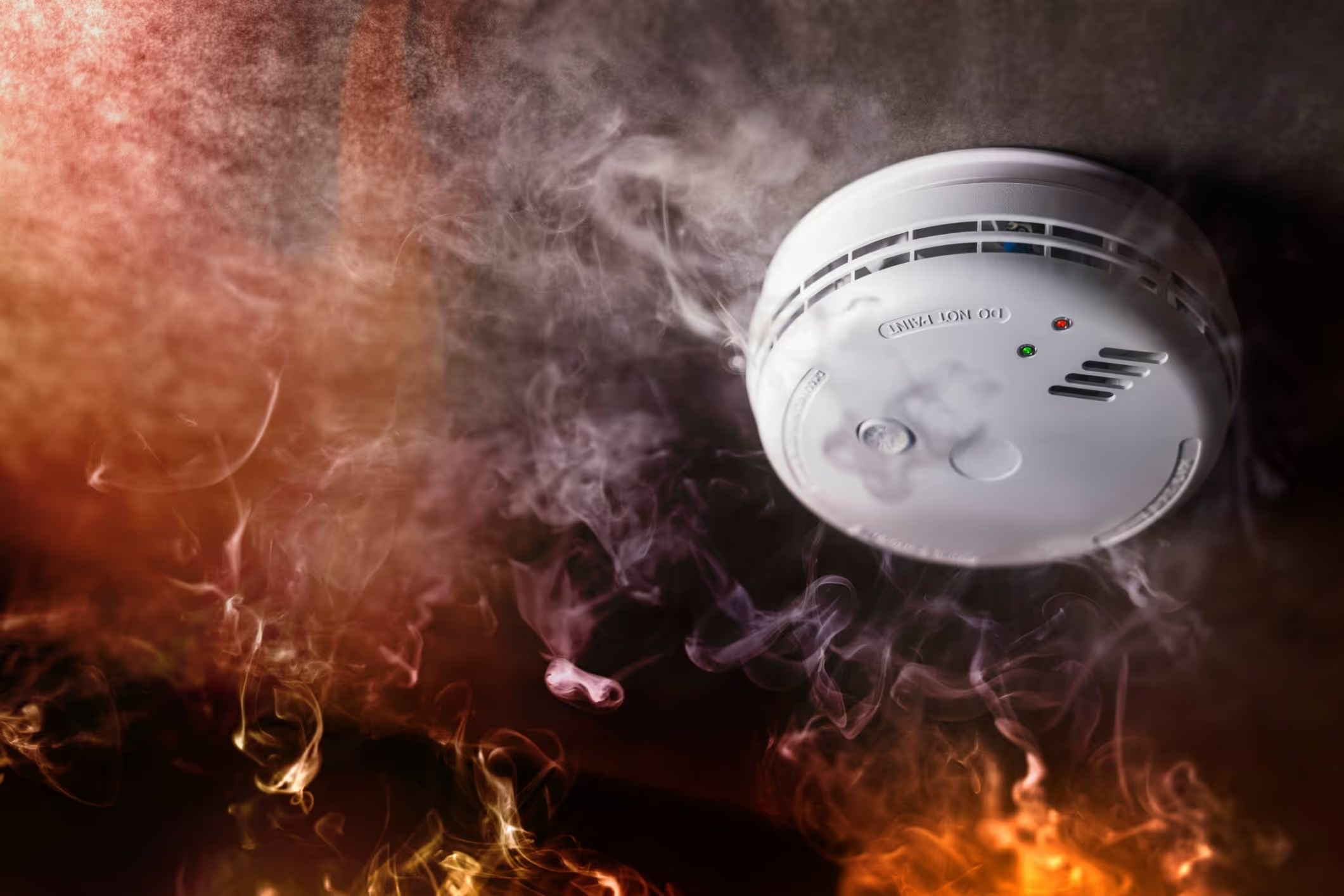
Carbon monoxide poisoning causes sudden, preventable injuries and deaths every year. When landlords and property owners fail to maintain safe conditions, people are exposed to a toxic gas they cannot detect until it is too late.

Victims of carbon monoxide exposure often suffer serious neurological injury, long-term health complications, or the loss of a loved one. Legal action may be the only way to hold responsible parties accountable and recover compensation for medical care, lost income, and permanent harm.
The Lyon Firm represents individuals and families harmed by carbon monoxide poisoning nationwide. With more than 20 years of experience handling toxic exposure and complex personal injury cases, the firm investigates the source of exposure, identifies responsible parties, and pursues full financial recovery for victims.
If you believe carbon monoxide poisoning resulted from unsafe conditions, maintenance failures, or defective equipment, you may have legal options. Call (513) 381-2333 or complete a confidential case form to speak with a carbon monoxide poisoning lawyer.
What Is Carbon Monoxide Poisoning?
Carbon monoxide is a colorless and odorless gas produced by the burning of fuel such as gas, wood, propane, charcoal, and gasoline.
When appliances, engines, or heating systems are improperly installed, poorly maintained, or inadequately ventilated, carbon monoxide can accumulate to dangerous levels in enclosed or semi-enclosed spaces.
Carbon monoxide poisoning occurs when the gas enters the bloodstream, preventing oxygen from reaching vital organs. Carbon monoxide binds to red blood cells more readily than oxygen, leading to tissue damage, neurological injury, organ failure, and, in severe cases, death.
Because human senses cannot detect carbon monoxide, exposure often occurs without warning. Victims may lose consciousness before realizing they are in danger. Even brief or moderate exposure can result in lasting health effects, particularly for children and individuals with underlying medical conditions.
Common Causes of Carbon Monoxide Poisoning
Carbon monoxide poisoning can occur when fuel-burning appliances, engines, or equipment produce exhaust that is not properly vented. These incidents are frequently preventable and often trace back to poor maintenance or a lack of safety warnings.
Residential Sources of Carbon Monoxide Exposure
Many cases of carbon monoxide poisoning occur in apartments and other residential buildings. Common causes include:
- Faulty or aging furnaces and central heating systems;
- Gas water heaters and gas fireplaces with improper ventilation;
- Blocked or damaged chimneys and flues;
- Gas stoves that release exhaust indoors;
- Portable space heaters and kerosene heaters;
- Charcoal grills or fuel-burning devices used indoors; and
- Portable generators operated near windows or air intakes.
When appliances are not regularly inspected or properly installed, carbon monoxide can accumulate quickly without any warning signs. In some cases, exposure occurs within minutes. Leaving a vehicle running in a garage can produce lethal levels of carbon monoxide in a very short time.
Vehicle and Engine-Related Carbon Monoxide Incidents
Carbon monoxide exposure frequently involves vehicles or fuel-powered engines operating in enclosed or poorly ventilated spaces, including:
- Running a car in a closed or attached garage,
- Vehicles left idling near buildings,
- Small gasoline engines and lawn equipment,
- Forklifts and industrial vehicles used indoors, and
- Propane-powered heaters and equipment.
Workplace and Industrial Exposure
Employees may suffer carbon monoxide poisoning in workplaces where engines, furnaces, or fuel-powered equipment are used without adequate ventilation. These incidents commonly occur in:
- Warehouses and manufacturing facilities,
- Garages and repair shops,
- Construction sites, and
- Industrial plants and processing facilities.
Apartments and Rental Properties
Carbon monoxide poisoning incidents in hotels and vacation rentals often involve:
- Missing or non-functioning carbon monoxide detectors,
- Shared ventilation systems that allow exhaust to spread between units,
- Improperly maintained boilers or heating systems, and
- Undisclosed mechanical issues affecting guest safety.
Defective Products and Equipment
Some carbon monoxide injuries stem from defective or poorly designed products, including:
- Fuel-burning appliances,
- Generators,
- Heaters, and
- Vehicle systems and exhaust components.
High-Risk Carbon Monoxide Exposure Scenarios
Some cases of carbon monoxide poisoning arise from everyday conditions that carry hidden risks. Others involve known design flaws or repeated safety warnings that went unaddressed. The following scenarios account for a significant number of severe carbon monoxide injuries and fatalities.
Keyless Ignition Vehicle Carbon Monoxide Hazards
Modern vehicles equipped with keyless ignition systems have been linked to carbon monoxide poisoning incidents across the United States. These systems allow drivers to start a vehicle with a button rather than a physical key. In some cases, drivers mistakenly believe the engine is off when it is still running.
When a keyless vehicle is left running in a garage, carbon monoxide can quickly build up inside the home. Several incidents have resulted in severe neurological injury or death after carbon monoxide spread through shared walls and ventilation systems.
Federal regulators, including the National Highway Traffic Safety Administration (NHTSA), have acknowledged the risk and proposed safety measures such as automatic engine shut-off or audible warnings. Despite the low cost of these solutions, many vehicles still lack adequate safeguards. As a result, litigation involving keyless ignition systems and carbon monoxide poisoning continues to grow.
Houseboat and Marine Carbon Monoxide Poisoning
Carbon monoxide exposure on houseboats and other watercraft presents a unique and grave danger. Engines and onboard generators produce exhaust that can accumulate around swimming platforms and enclosed areas.
The U.S. Coast Guard has issued recalls and warnings regarding houseboat exhaust design, particularly when generator fumes are redirected toward areas used for swimming or lounging. Even after engines are turned off, carbon monoxide may linger in stagnant air or water near the vessel.
Additional risks arise when boats are moored close together or rafted side by side, trapping exhaust between vessels. In some cases, exhaust system design flaws make certain boats dangerous to operate without modification, exposing manufacturers and distributors to potential liability.
Carbon Monoxide Poisoning in Apartments and Multi-Unit Buildings
Carbon monoxide incidents in apartments and multi-unit properties often involve shared ventilation systems or improperly maintained appliances. Exhaust from one unit may spread into adjacent units without warning.
Common contributing factors include missing or non-functioning carbon monoxide detectors, delayed maintenance, and failure to inspect fuel-burning systems. Guests and tenants may be unaware of mechanical issues affecting their safety, particularly in short-term rental properties.
Landlords and hotel operators may be held responsible when they ignore known risks or fail to follow safety standards.
Symptoms of Carbon Monoxide Poisoning
Carbon monoxide poisoning often presents with symptoms that are easily mistaken for other illnesses. Because the gas is invisible and odorless, victims may not realize they are being exposed until symptoms become severe.
Early signs of carbon monoxide exposure may include:
- Headache,
- Dizziness or lightheadedness,
- Nausea or vomiting,
- Fatigue or weakness, or
- Shortness of breath.
How Do You Prevent Carbon Monoxide Poisoning?
The U.S. Centers for Disease Control and Prevention (CDC) has issued clear guidance identifying common steps that reduce the risk of carbon monoxide exposure in homes, workplaces, and industrial settings. When these precautions are ignored, serious injury or death can occur.
In workplace and industrial settings, basic safety measures include:
- Providing adequate ventilation where fuel-powered equipment is used;
- Prohibiting gasoline-powered engines from operating indoors;
- Keeping generators away from windows, doors, and air intake systems;
- Monitoring air quality in enclosed workspaces;
- Installing and maintaining carbon monoxide alarms; and
- Supplying protective equipment when workers are exposed to exhaust or chemical fumes.
In residential, rental, and hospitality settings, recommended precautions include:
- Regular inspection and maintenance of gas appliances and heating systems;
- Keeping chimneys, flues, and vents clear and unobstructed;
- Prohibiting indoor use of charcoal grills or fuel-burning devices;
- Avoiding the use of generators near living spaces;
- Ensuring carbon monoxide detectors are installed and functioning; and
- Preventing vehicles or fuel-powered equipment from running in garages or enclosed areas.
When carbon monoxide poisoning occurs, it often reflects a failure to take precautions that were well known and easily implemented. Identifying which safety steps were ignored is a key part of determining legal responsibility.
If carbon monoxide exposure caused injury or death, a legal claim may be possible depending on how the exposure occurred.
The Lyon Firm reviews carbon monoxide poisoning cases nationwide. You can call (513) 381-2333 or message us online for a free case review with an experienced attorney.
Filing a Carbon Monoxide Poisoning Lawsuit
Victims of carbon monoxide poisoning may have the right to pursue a legal claim when negligence, unsafe conditions, or defective products caused their injuries. These cases are often brought as personal injury or wrongful death lawsuits, depending on the outcome of the exposure.
A carbon monoxide poisoning lawsuit may be appropriate when:
- A landlord or property owner failed to maintain safe heating or ventilation systems.
- A hotel, apartment, or rental property lacked working carbon monoxide detectors.
- An employer allowed unsafe working conditions involving fuel-powered equipment.
- A contractor improperly installed or serviced an appliance or exhaust system.
- A manufacturer released a defective or dangerously designed product.
You do not need to prove intent or misconduct. In most cases, liability turns on whether basic safety steps were missed or required standards were not followed.
Many people worry that they do not have records or cannot pinpoint exactly where the carbon monoxide came from. That concern is common in these cases.
As carbon monoxide poisoning attorney Joseph Lyon explains:
“Carbon monoxide poisoning typically traces back to a breakdown in maintenance or design that should not have been overlooked. Identifying that failure is part of the legal investigation.”
Who Can File a Claim?
- Individuals who suffered carbon monoxide poisoning and survived;
- Parents or guardians filing on behalf of an injured child; or
- Family members pursuing a wrongful death claim after a fatal exposure.
A carbon monoxide poisoning lawyer can help investigate the incident and work with experts to determine how the exposure occurred and who may be responsible.
Mr. Joe Lyon went above and beyond what was necessary in helping me through every step of my wrongful death lawsuit. Showing actual concern and empathy for my situation. All I can say is thank you for everything.
— Lance G., Client.
To provide a general point of reference, legal research shows that many personal injury claims involving permanent injury or serious illness resolve in the $90,000 to $200,000 range, with higher outcomes in cases involving long-term disability or fatal exposure. Those figures are not guarantees, and they don’t capture what many families actually endure.
Joseph Lyon and The Lyon Firm have represented thousands of individuals across the country in complex injury and toxic exposure cases, securing meaningful recoveries for families who were harmed by safety failures that never should have occurred.
Time Limits for Filing a Carbon Monoxide Poisoning Lawsuit
Carbon monoxide claims are subject to strict legal deadlines, known as statutes of limitations. These deadlines vary depending on the type of claim, the jurisdiction, and whether the case involves personal injury or wrongful death.
In many cases, the filing period begins on the date of the poisoning incident. However, carbon monoxide exposure does not always cause immediate or obvious injury. Neurological symptoms and cognitive impairments may appear days or even longer after exposure.
Experienced. Compassionate. Consumer Advocates
The Lyon Firm is a Cincinnati, Ohio-based law firm, representing individuals nationwide in class action, product liability, and toxic exposure litigation.

.avif)
Speak With a Carbon Monoxide Poisoning Attorney
The Lyon Firm represents individuals and families nationwide who have been harmed by carbon monoxide exposure. With more than 20 years of experience handling toxic exposure and complex personal injury cases, the firm focuses on identifying responsible parties and pursuing compensation that reflects the full scope of harm.
If you or a loved one has suffered carbon monoxide poisoning, legal options may be available. Contact us at (513) 381-2333 to speak directly with a carbon monoxide poisoning attorney who can review your case at no cost.
Handling Complex Data Privacy & Cyber Security Cases
Request A Free Consultation Now

Carbon Monoxide Poisoning FAQs

Your first priority is medical care. Even if symptoms seem mild or improve after leaving the area, carbon monoxide exposure can cause delayed neurological effects. Seek medical evaluation right away and document the visit. If possible, report the incident to property management, an employer, or local authorities so the exposure is recorded.
Carbon monoxide cases often involve shared responsibility. For example, a property owner and equipment manufacturer may each play a role. Identifying all responsible parties is important because it can affect both accountability and available compensation.
Some people experience delayed effects days or weeks after exposure, including memory problems, difficulty concentrating, mood changes, or coordination issues. These symptoms may not appear immediately, which is why follow-up medical care and documentation are important.
At The Lyon Firm, consultations are free. There is no obligation to move forward, and no upfront cost to discuss what happened. If a case is accepted, it is handled on a contingency basis, meaning legal fees are only collected if compensation is recovered.
Toxic Exposure Lawsuits
Request a Free Consultation
Taking the first step doesn’t have to be complicated. In just a few minutes, you can share the basics of your case, and our team will guide you from there:
- It begins with a few simple questions about your situation.
- From there, a member of our legal team reviews your case.
- Together, we’ll chart the path forward, helping you take the next step toward resolution.
