

Monogram Foods Diacetyl Exposure | Popcorn Lung Disease
Popcorn Lung Case Reported


.avif)


Diacetyl Exposure Lawsuits
Investigating monogram foods diacetyl exposure & bronchiolitis obliterans cases
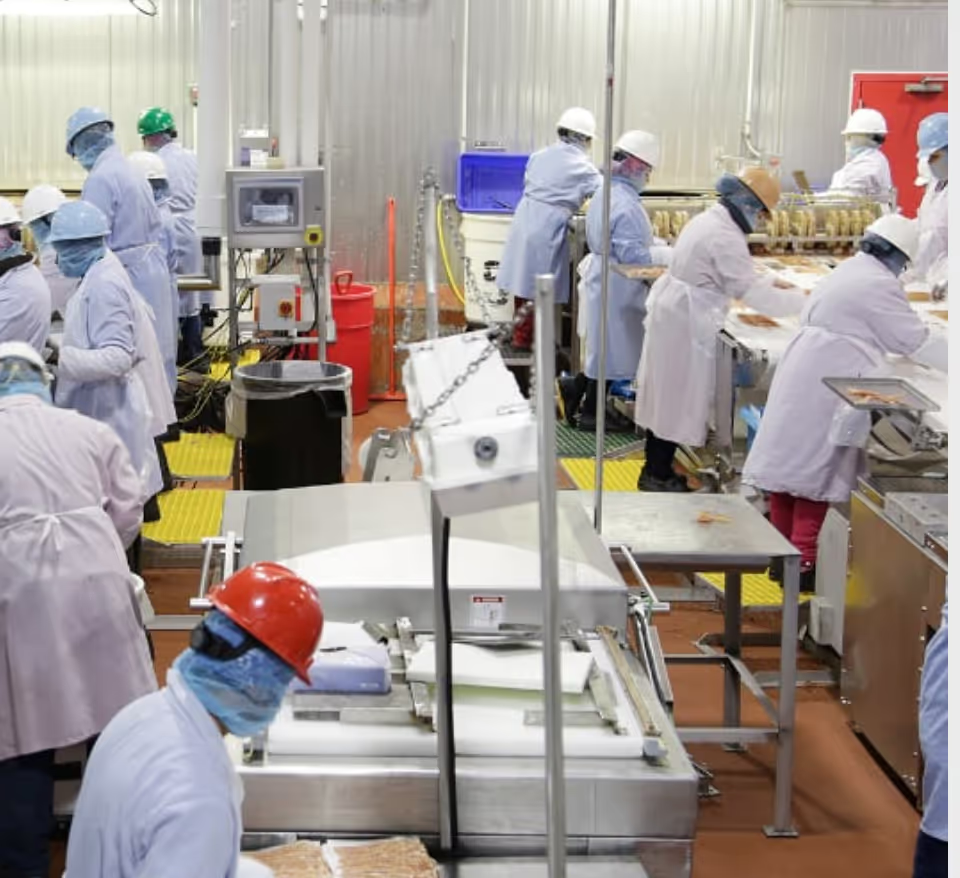
There have been reports of at least one Monogram Foods employee diagnosed with Popcorn Lung Disease (Bronchiolitis Obliterans). The Lyon Firm is investigating this case and other occupational lung disease cases nationwide. Any food manufacturer that uses diacetyl could put employees at risk.
Monogram Foods is a food manufacturer focused on the co-manufacturing, private label, and foodservice channels throughout the United States. Founded in 2004, Monogram Foods manufactures top-quality and innovative food products.
Among their food products are a range of meat snacks, appetizers, assembled sandwiches, bacon, corn dogs, USDA baked goods, and other convenience food products.
Monogram Foods is headquartered in Memphis, Tennessee, has over 3,000 employees and operates ten manufacturing facilities in six states, including the following:
- MEMPHIS, TENNESSEE
- BRISTOL, INDIANA
- CHANDLER, MINNESOTA
- DENISON, IOWA
- DICKSON, TENNESSEE
- HARLAN, IOWA
- MEDFORD, MASSACHUSETTS
- MARTINSVILLE, VIRGINIA
- PLOVER, WISCONSIN
- WILMINGTON, MASSACHUSETTS

What is Popcorn Lung?
“Popcorn lung,” medically known as bronchiolitis obliterans, is a rare and serious respiratory condition that damages the small airways in the lungs, specifically the bronchioles. The term “popcorn lung” gained attention due to its association with diacetyl, a chemical compound commonly used in the flavoring of microwave popcorn.
Workers in microwave popcorn manufacturing plants and, to a lesser extent, consumers exposed to large amounts of diacetyl were initially found to be at risk of developing this condition.
Bronchiolitis obliterans is characterized by inflammation and scarring of the bronchioles, leading to a narrowing or blockage of these airways. This can result in symptoms such as coughing, wheezing, shortness of breath, and reduced lung function.
The link between popcorn lung and diacetyl exposure led to concerns about the safety of workers in food production and flavoring industries. As a result, many manufacturers and employers have taken steps to reduce or eliminate diacetyl exposure in the workplace.
It’s important to note that while diacetyl exposure has been a well-documented cause of popcorn lung, other factors can also contribute to the development of this condition, such as exposure to certain chemicals or fumes, respiratory infections, and lung transplantation. Additionally, cases of popcorn lung are relatively rare, and most people who consume microwave popcorn or other diacetyl-containing products do not develop the condition.
If you suspect you have been exposed to harmful chemicals, including diacetyl, and are experiencing respiratory symptoms, it is crucial to seek medical attention and consult with a healthcare provider for an accurate diagnosis and appropriate treatment.
What Kind of Damages Are Available in a Monogram Foods Diacetyl Exposure Lawsuit?
In a Monogram Foods diacetyl exposure lawsuit, potential damages that may be available to plaintiffs can include various types of compensation for the harm and injuries caused by exposure to diacetyl, a chemical associated with respiratory and lung-related health issues.
The specific damages can vary based on the circumstances of each case, but common types of damages in such lawsuits may include:
- Medical Expenses: Compensation for all past and future medical bills related to the diacetyl exposure, including doctor’s visits, hospitalizations, medications, surgery, rehabilitation, and any necessary medical treatments.
- Pain and Suffering: Damages intended to compensate the plaintiff for physical and emotional pain, distress, and suffering resulting from the diacetyl exposure and associated health problems.
- Lost Wages: If the plaintiff was unable to work or experienced a loss of income due to their diacetyl-related health issues, they may be entitled to compensation for lost earnings, both past and future.
- Wrongful Death Damages: In cases where exposure to diacetyl results in the death of an individual, surviving family members may file a wrongful death lawsuit. Damages may include compensation for funeral expenses, loss of financial support, and emotional suffering of the surviving family members.
- Punitive Damages: In some cases, punitive damages may be available if it can be proven that the exposure to diacetyl resulted from willful or reckless misconduct by the responsible parties, such as the manufacturer or employer.
Experienced. Compassionate. Consumer Advocates
The Lyon Firm is a Cincinnati, Ohio-based law firm, representing individuals nationwide in class action, product liability, and toxic exposure litigation.

.avif)
Monogram Foods Diacetyl Exposure
The availability and extent of these damages can vary based on the specific facts of each case and the applicable laws in the jurisdiction where the lawsuit is filed.
Individuals considering a diacetyl exposure lawsuit should consult with an attorney experienced in toxic tort or personal injury cases to better understand their legal rights and the potential compensation available.
Handling Complex Data Privacy & Cyber Security Cases
Request A Free Consultation Now

Toxic Exposure Lawsuits
Request a Free Consultation
Taking the first step doesn’t have to be complicated. In just a few minutes, you can share the basics of your case, and our team will guide you from there:
- It begins with a few simple questions about your situation.
- From there, a member of our legal team reviews your case.
- Together, we’ll chart the path forward, helping you take the next step toward resolution.
