

Constellation Steel Mill Asbestos Exposure Claims
Former steelworkers diagnosed with mesothelioma may be entitled to compensation.




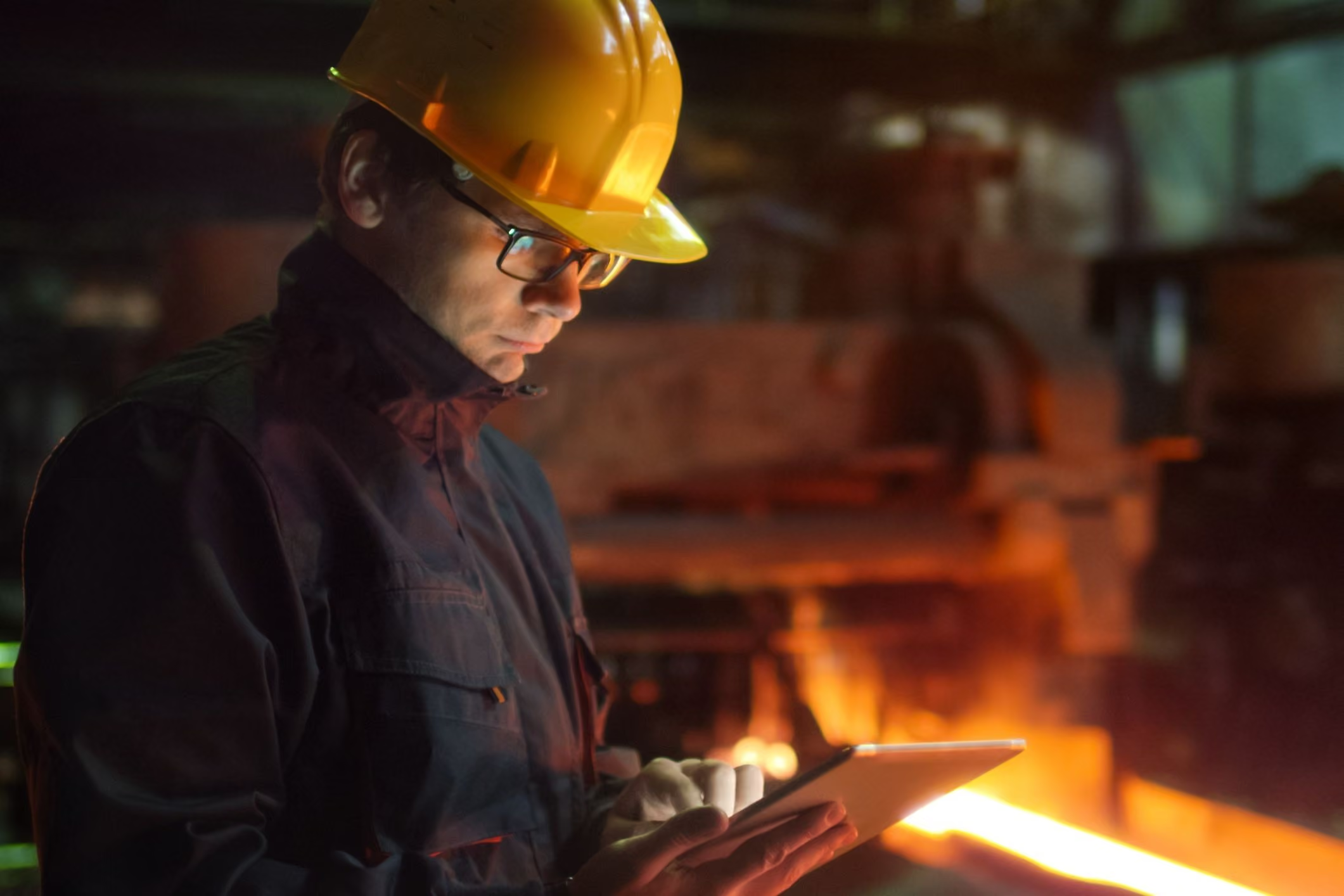
Steel mill workers spent years around furnaces, boilers, rolling equipment, and machinery that operated under extreme heat. Throughout much of the 20th century, asbestos-containing insulation and other heat-resistant materials were common in these industrial environments.
For former employees and tradespeople who worked with older equipment, Constellation Steel Mill asbestos exposure may be relevant to a later diagnosis of mesothelioma, lung cancer, or asbestosis. Determining whether exposure occurred requires looking at the machinery, materials, and work performed during that period.
The Lyon Firm represents individuals and families affected by occupational asbestos exposure. If you worked at Constellation Steel or around equipment manufactured by the company and have since developed an asbestos-related illness, call (513) 381-2333 or contact our team online for a free consultation.
“When someone is diagnosed with mesothelioma decades after working around asbestos, they often have no idea which companies were responsible for the products they encountered. Part of our job is putting that history back together and finding every available source of compensation.”
— Joe Lyon, Founding Attorney, The Lyon Firm
Constellation Steel Mill History and Asbestos Use
Constellation Steel Mill Equipment was part of Cincinnati's industrial manufacturing history. The company produced equipment used in steel rolling and scrap processing operations.
In 1963, Abe Byer purchased Constellation Steel Mill Equipment, which held patents for machinery used in scrap processing and steel mill rolling operations.
By 1970, Constellation-manufactured rolling stands were being used in AB Mill, a Cincinnati operation established to convert discarded railroad axles into reinforcing steel.
The connection between Constellation and Byer Steel helps establish where certain machinery originated and how it was used. It does not, by itself, confirm that the equipment contained asbestos.
Asbestos was widely used in steel manufacturing during this period because of its resistance to heat and fire. Identifying exposure involving Constellation requires examining the equipment, insulation, replacement components, and maintenance activities associated with a particular workplace.
Constellation Steel Mill Equipment and Byer Steel
Steel production required machinery capable of operating in extremely hot conditions. Furnaces heated metal before rolling stands shaped it into finished products.
According to Byer Steel's company history, AB Mill began production in 1970 using rolling stands manufactured by Constellation Steel. The operation processed retired railroad axles into rebar.
These operations involved equipment such as furnaces, rolling stands, mechanical drives, and industrial handling systems.
Asbestos-containing products were historically used in many steel mills, particularly around high-temperature equipment and steam systems.
Equipment and materials associated with potential exposure included:
- Furnaces and ovens
- Hot blast stoves
- Boilers
- Steam pipes
- Rolling mills
- Pumps and valves
- Industrial gaskets
- Pipe and equipment insulation
- Tanks
- Cranes and associated machinery
- Heat-resistant protective materials
The presence of these systems does not establish that every component contained asbestos. The specific equipment, manufacturer, installation date, and maintenance history are important when investigating exposure.
How Could Workers Have Encountered Asbestos?
Asbestos fibers become hazardous when materials containing them are damaged or disturbed, allowing microscopic fibers to enter the air.
In steel manufacturing, exposure could occur during maintenance, equipment repairs, insulation removal, or cleanup.
Workers may have encountered asbestos while replacing gaskets, removing old boiler insulation, repairing steam lines, or working near other trades performing these tasks.
Asbestos dust could remain in work areas after repairs, exposing employees who did not personally handle the materials.
Occupational Asbestos Exposure Among Steel Mill Workers
Steel mills employed workers in production, maintenance, equipment installation, and repair. Different trades often worked in the same areas, creating opportunities for exposure beyond those directly handling insulation.
Occupations potentially affected included:
- Pipefitters and plumbers
- Machinists
- Boilermakers
- Welders
- Insulators
- Maintenance mechanics
- Millwrights
- Furnace operators
- Electricians
- Laborers and cleanup crews
Maintenance employees frequently worked around insulation, gaskets, and mechanical components. Production workers could also have encountered airborne fibers when nearby equipment was repaired.
Family members sometimes experienced secondary exposure when asbestos dust traveled home on workers' clothing, shoes, or personal belongings.
Constellation Steel Mill Mesothelioma and Other Asbestos Diseases
Asbestos fibers can become lodged in the lungs and surrounding tissues after inhalation. Some asbestos-related illnesses take decades to develop, which explains why former steelworkers may receive a diagnosis long after leaving the industry.
Diseases associated with asbestos exposure include:
- Mesothelioma: A cancer affecting the lining of the lungs, abdomen, or other organs
- Lung cancer: A malignancy associated with asbestos exposure
- Asbestosis: A chronic lung disease involving scarring of lung tissue
- Pleural plaques: Areas of thickened tissue associated with previous asbestos exposure
- Pleural thickening: Scarring affecting the lining surrounding the lungs
Asbestos exposure can also contribute to certain forms of lung cancer, including adenocarcinoma.
Symptoms may include persistent coughing, chest pain, shortness of breath, fatigue, and unexplained weight loss. Anyone experiencing these symptoms should seek medical attention and inform their healthcare provider about past industrial work.
You may remember the equipment you repaired but not the companies that supplied its insulation or replacement parts. The Lyon Firm can investigate those details and evaluate potential claims. Call (513) 381-2333 or send our asbestos team a message to discuss your work history.
Evidence That May Help Identify Asbestos Exposure
Someone who worked in steel manufacturing decades ago may remember the machinery they repaired without knowing the manufacturers of its insulation, gaskets, or other components.
An investigation can begin with:
- Employment dates and job titles
- Plant departments and work areas
- Equipment operated or repaired
- Names of coworkers and supervisors
- Maintenance or renovation projects
- Equipment manufacturers and suppliers
- Union records and employment documents
- Other industrial facilities where the worker was employed
Historical product records, equipment specifications, and testimony from former coworkers may help identify asbestos-containing materials associated with a particular workplace.
A complete employment history is also important. Someone who worked around Constellation equipment may have encountered asbestos products from several manufacturers during their career.
How The Lyon Firm Investigates Industrial Asbestos Exposure
Joe Lyon discusses how his firm reconstructs historical exposure, researches industrial equipment, and identifies companies that may be responsible for asbestos-related illnesses.
Compensation for Former Constellation Steel Mill Workers
Workers diagnosed with asbestos-related diseases may have legal claims against manufacturers or other parties responsible for their exposure.
Potential compensation may include:
- Medical treatment and ongoing care
- Lost wages and reduced earning capacity
- Pain and suffering
- Travel expenses for medical treatment
- In-home assistance
- Funeral and burial expenses
- Qualifying losses suffered by surviving family members
The compensation available depends on the diagnosis, exposure evidence, legally responsible companies, and applicable law.
Asbestos Lawsuits and Bankruptcy Trust Claims
Some companies that manufactured asbestos products remain subject to lawsuits. Others entered bankruptcy and established trusts to compensate people with qualifying asbestos-related illnesses.
A former steelworker's exposure history may support claims involving multiple manufacturers.
An attorney can review the available evidence to determine whether litigation, bankruptcy trust claims, or wrongful death claims may be appropriate.
Why Choose The Lyon Firm for a Steel Mill Asbestos Claim?
The Lyon Firm represents workers and families nationwide in asbestos litigation, toxic exposure cases, and complex product liability matters.
Joe Lyon has handled occupational asbestos cases involving industrial workers, including steelworkers diagnosed with mesothelioma.
The firm's recoveries include:
- $3.27 million mesothelioma settlement involving occupational asbestos exposure
- $2.3 million mesothelioma settlement for the family of a steelworker exposed to asbestos on the job
In the $2.3 million case, the worker was diagnosed with pleural mesothelioma and died only weeks later. Joe Lyon met with the family at their home on the day they contacted the firm and made additional hospital visits as the illness progressed.
The firm investigated the worker's exposure history and used information from prior asbestos litigation to pursue claims against responsible companies.
“In a desperate life-altering crisis, Joe Lyon quietly entered my life. My husband was losing battle with mesothelioma. Joe came respectfully, professionally, kindly and beneficially towards our family. I felt he was Heaven sent. It has been an honor to know and work with Joe.”
— Marlene Beal | Asbestos Client
Experienced. Compassionate. Consumer Advocates
The Lyon Firm is an Ohio-based law firm, representing individuals nationwide in class action, product liability, and toxic exposure litigation.


Discuss Your Steel Mill Asbestos Claim With The Lyon Firm
An asbestos-related diagnosis may be connected to work performed decades earlier, when industrial equipment and insulation materials were manufactured and installed under different safety standards.
The Lyon Firm investigates historical occupational exposure and identifies manufacturers and other companies that may be legally responsible.
If your work in steel manufacturing may have contributed to an asbestos-related illness, speak with The Lyon Firm about your legal options. Call (513) 381-2333 or request a free case review online.
Questions about Steel Mill Asbestos Exposure

Asbestos is a naturally occurring mineral that was first utilized in the early 1900s for its insulating abilities, fireproof properties, and versatility. It has been estimated that over 30 million tons of asbestos was used in the American economy in industrial yards, homes, schools, shipyards, and other workplaces.
When asbestos breaks down over time or with use, the fibers of the material can become airborne, presenting a risk of inhaling or ingesting the toxin. Asbestos is a cancer-causing agent, and those heavily exposed can develop scarring in the lungs and later develop lung cancer and mesothelioma.
Asbestos was widely used in piping, insulation, electrical components, machine parts, packaging, flooring, ceiling tiles, roofing, and in many building materials.
If you were exposed to asbestos at your workplace, and have developed cancer or a related illness, you are likely to qualify for compensation.
It was cheap, durable, fire-resistant and light, and was though to be the perfect insulating material before research showed it was extremely hazardous to the health.
The success rates of settlements regarding toxic exposure injury are quite high. It may be necessary to prove that occupational exposure is the primary cause of lung cancer or mesothelioma, though this is the job of The Lyon Firm, and we have experience in reaching large mesothelioma settlements.
Asbestos Verdicts & Settlements
Estate of Steve Thomas v. AK Steel Corporation, et al.
Summary: PHILADELPHIA COUNTY, Pennsylvania – Co-counsel represented the surviving spouse of a steel mill worker who developed mesothelioma after years of asbestos exposure on the job. The case resulted in a settlement exceeding $2.7 million.
Estate of William P. Bush v. AK Steel Corporation, et al.
Summary: MADISON COUNTY, Illinois – Co-counsel represented the family of a steel mill worker who suffered asbestos exposure that later led to mesothelioma. The case resulted in a settlement exceeding $2.3 million.
Asbestos Lawsuits
Request a Free Consultation
Taking the first step doesn’t have to be complicated. In just a few minutes, you can share the basics of your case, and our team will guide you from there:
- It begins with a few simple questions about your situation.
- From there, a member of our legal team reviews your case.
- Together, we’ll chart the path forward, helping you take the next step toward resolution.
